
REVIEW · COMMUNISM & WWII HISTORY TOURS
Prague: WWII Tour with Local Historian SMALL GROUP
Prague’s wartime story hides in plain sight. This 2.5-hour walk links the city’s Nazi occupation, the assassination of Reinhard Heydrich, Operation Anthropoid, Nicholas Winton’s rescue of 669 Jewish children, the 1945 uprising, and the bombing of Prague. I like the small group of no more than seven people, which gives the historian room to answer questions and adjust the pace. I also like that the church connected with the paratroopers is included, along with a public transport ticket, water, and all entrance fees.
The main consideration is the amount of walking and the tour’s mixed accessibility information. It is described as wheelchair accessible in one place, but also not suitable for wheelchair users or people with mobility impairments elsewhere. I would confirm the route before booking, especially since the walk includes several historic sites and public transport.
In This Review
- Key points to know before you book
- Why Prague’s WWII story works best on foot
- Starting at Saint Wenceslas Square
- Operation Anthropoid and the death of Heydrich
- Inside the paratroopers’ church
- Nicholas Winton and the Kindertransports
- The Gestapo headquarters and Prague under occupation
- The Prague uprising and the bombing of 1945
- A small group led by a local historian
- What the $61 price includes
- Timing, walking, and the meeting point
- Who will appreciate this tour most
- Should you book the Prague WWII tour?
- FAQ
- How long does the Prague WWII tour last?
- Where does the tour begin?
- Where does the tour finish?
- How many people are in the group?
- What language is the tour conducted in?
- Is entrance to the paratroopers’ church included?
- Is public transportation included?
- Is the tour suitable for children?
- Can wheelchair users join the tour?
Key points to know before you book
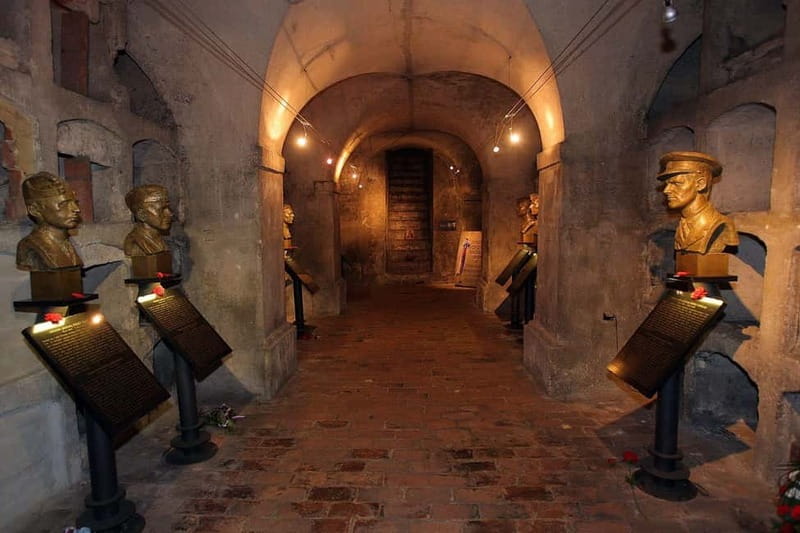
- Operation Anthropoid takes center stage: Follow the story of the attack on Reinhard Heydrich, one of the most important Nazi officials killed during World War II.
- The paratroopers’ church is included: See the church tied to the final stand of the resistance fighters and the bullet holes connected with that episode.
- A guide-led history lesson, not a sightseeing checklist: Local historians Gerry and Jiri are praised for personal storytelling and for sharing accounts gathered from war survivors.
- The group is limited to seven: You get a more personal setting than on a large city tour, with better chances to ask about difficult and complex subjects.
- The route covers more than the Nazi occupation: The tour also addresses Nicholas Winton, the Prague uprising in 1945, the American bombing, and the former Gestapo headquarters.
- The $61 price includes useful extras: Public transport, church entry, taxes, water, and a live English-speaking historian are covered.
Why Prague’s WWII story works best on foot
Prague can feel like a city of medieval towers, Baroque churches, and handsome squares. The wartime story is less obvious. It is tied to ordinary streets, government buildings, churches, and places that still function as part of daily city life.
That contrast gives this tour its purpose. You are not simply looking at a memorial or entering a museum. You are moving through the city while a historian explains how occupation changed Prague and how local people responded.
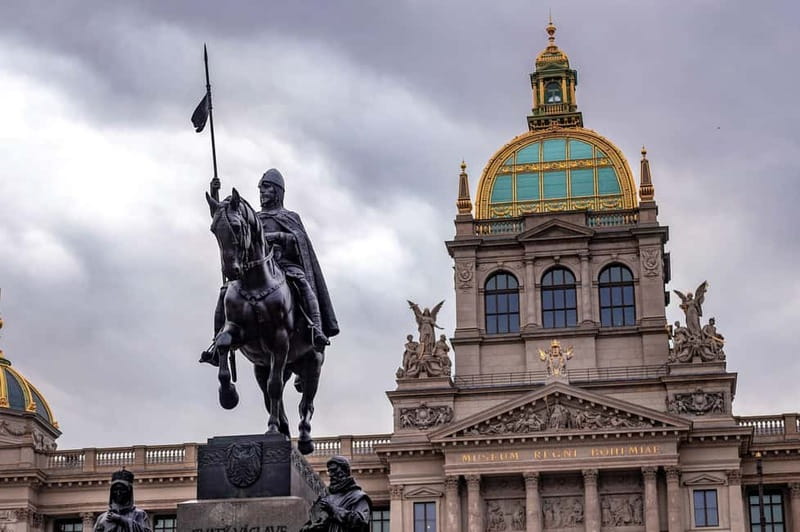
The walk begins at the Statue of Saint Wenceslas on Wenceslas Square, in front of the National Museum. This is an easy meeting point in central Prague, with a McDonald’s nearby to help you find the correct area. From there, the guide builds a timeline rather than presenting disconnected facts.
I would expect the tone to be serious. The subjects include Nazi terror, the Holocaust, assassination, torture, resistance, and civilian suffering. The strongest part of the experience is likely to be the human detail, especially when the guide connects large events with the people who lived through them.
More communism and wartime history tours:
- Prague: Communism History and Nuclear Bunker Guided Tour
★ 4.7 · 2,417 reviews - Prague Communism History and Nuclear Bunker Tour
★ 5.0 · 1,742 reviews - Communism & Nuclear Bunker Tour + 70s Canteen Lunch (own expense)
★ 5.0 · 1,036 reviews
Starting at Saint Wenceslas Square
The statue of Saint Wenceslas is a sensible place to begin. It is central, easy to reach, and gives the guide room to explain Prague’s wartime setting before the group moves into the more specific stories.
The tour focuses heavily on the German occupation and the role of Reinhard Heydrich. Heydrich was a leading Nazi official and one of the main architects of the Nazi system of terror. He became the acting Reich Protector of Bohemia and Moravia, and his rule over the Czech lands was marked by executions and repression.
The guide presents Heydrich not as a distant figure from a textbook, but as a person whose policies affected Prague directly. That local focus matters. You begin to understand why his assassination was such a daring act and why it carried great symbolic weight for the Czech resistance and the Allied cause.
A guide who knows the subject well can also help you keep track of names, dates, and organizations. WWII history in Prague can become confusing quickly, with the Gestapo, resistance networks, British-trained parachutists, Nazi officials, and the postwar uprising all crossing the same timeline. A small group makes it easier to stop and ask for clarification.
Operation Anthropoid and the death of Heydrich
The heart of the tour is the story of Operation Anthropoid, the code name for the mission to kill Heydrich. Czech and Slovak soldiers trained by the British were sent back into occupied territory to carry out the attack.
The event is important for several reasons. Heydrich was among the highest-ranking Nazi officials killed during the war. He was also a central figure in the Nazi machinery of persecution and mass murder. The attack was an act of resistance aimed at a man whose authority reached far beyond Prague.
Your guide explains how the operation unfolded and why it was so dangerous. The story is not reduced to a simple victory. The assassination led to severe Nazi retaliation, and the men involved in the operation eventually found shelter in the Church of Saint Cyril and Saint Methodius.
This section benefits from a local historian’s approach. The streets and buildings are not just backdrops. They help show the risks faced by the parachutists and the network of local people who helped them. The guide’s job is to connect the physical route with the decisions made under pressure.
Inside the paratroopers’ church
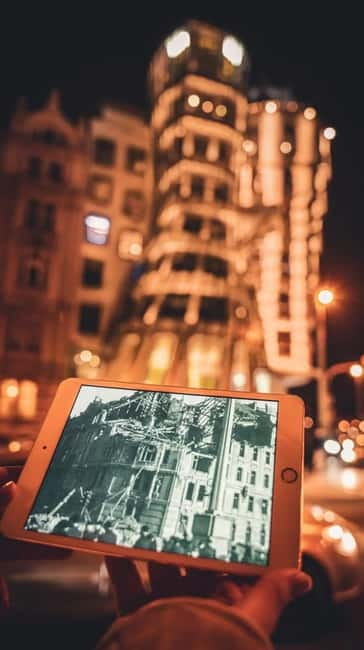
The church is one of the most important stops. Entrance is included, so you do not need to arrange a separate ticket or decide if the extra cost is worthwhile.
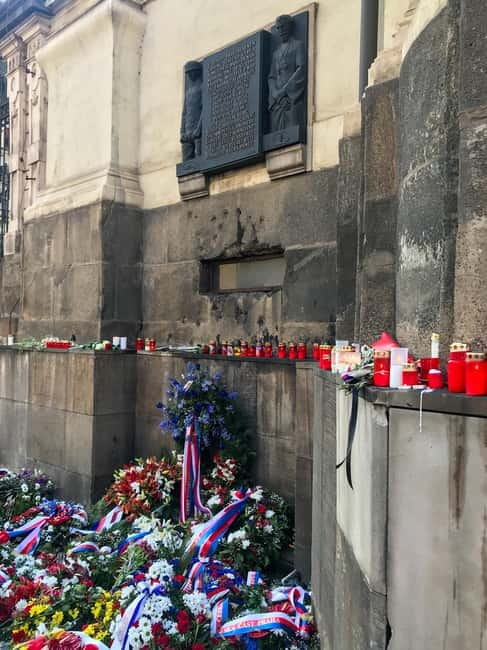
The Church of Saint Cyril and Saint Methodius became the final refuge of the resistance fighters connected with Operation Anthropoid. Here, the tour turns from planning and action to the consequences of the operation.
You can see bullet holes tied to the final battle. That physical evidence gives the story a force that photographs and dates cannot match. A bullet mark on a wall is small, but it makes the scale of the confrontation easier to grasp.
The church stop may be emotionally heavy. It is not a light sightseeing visit, and you should allow yourself time to look carefully and listen. The guide’s explanation gives meaning to the space, including why the church became a target and how the last stand unfolded.
This is also one of the reasons I see value in a historian-led tour instead of handling the route alone. You could locate the church yourself, but the sequence of events, the people involved, and the connection to the wider resistance movement are easier to understand with a clear explanation.
A completely different kind of day out in Prague:
- Prague: 50-Minute Sightseeing Evening Cruise
★ 4.2 · 33,780 reviews - Prague: Medieval Dinner with Unlimited Drinks
★ 4.4 · 19,847 reviews - Prague: Castle Tour with Local Guide and Entry Ticket
★ 4.6 · 10,422 reviews - Prague Castle 2.5-Hour Tour Including Admission Ticket
★ 4.7 · 8,927 reviews
Nicholas Winton and the Kindertransports
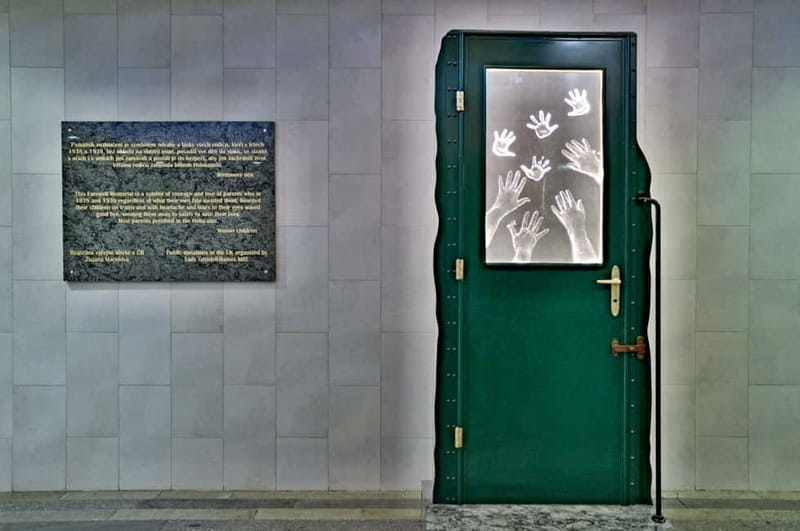
The tour also tells the story of Nicholas Winton, who helped save 669 Jewish children through the Kindertransports. His work involved arranging the children’s departure from Czechoslovakia before the war and finding foster homes for them in Britain.
This part gives the walk a different emotional register. Operation Anthropoid is a story of armed resistance. Winton’s story is one of organization, persistence, and rescue carried out through paperwork, contacts, and urgent preparation.
The subject is now familiar to many people because of the film One Life. Even so, hearing how the story fits into Prague’s prewar and wartime setting adds useful context. The tour does not treat the Kindertransports as an isolated feel-good story. It places them against the growing danger facing Jewish families in Europe.
I appreciate the inclusion because it broadens the experience beyond military history. You hear about people who fought, people who hid, people who escaped, and people who were unable to escape. That range helps you understand the human choices and limits of the period.
The Gestapo headquarters and Prague under occupation
Another part of the walk deals with the former Gestapo headquarters. The site is associated with interrogation, surveillance, and the machinery of Nazi control in Prague.
A stop here may not offer the visual drama of the church’s bullet holes. Its importance comes from what happened inside and what the building represented. The Gestapo worked through fear, informants, arrests, and questioning. For local people, the threat was not abstract. It could enter a home, workplace, or neighborhood without warning.
This is where a strong guide matters most. A building can look ordinary after decades of change. You need the historical explanation to understand why it was feared during the occupation.
The tour’s focus on the former headquarters also keeps the story from becoming too centered on famous heroes. It shows the institutions behind the violence and helps explain how occupation was enforced day after day.
The Prague uprising and the bombing of 1945
The final stage of the war receives attention as well. You hear about the Prague uprising in May 1945, when the city rose against German rule as the war was nearing its end.
The uprising is a useful reminder that liberation was not simply a clean arrival. Prague experienced fighting, uncertainty, and destruction during the final days of the war. The guide also covers the American bombing of Prague in 1945, an event that surprises many people who associate the city with surviving the war more intact than other European capitals.
These subjects round out the tour. Without them, Prague’s WWII story might end with the assassination of Heydrich or the resistance fighters in the church. Instead, you continue through the final months and see how the city reached the end of the conflict.
The material can be dense in a 2.5-hour walk. If you prefer a slow look at one or two sites, this may feel fast. If you want a clear introduction to several key events, the broad coverage is a strength.
A small group led by a local historian
The group is limited to seven participants. That number is small enough for a conversation rather than a lecture, while still keeping the price below what you might pay for a fully private tour.
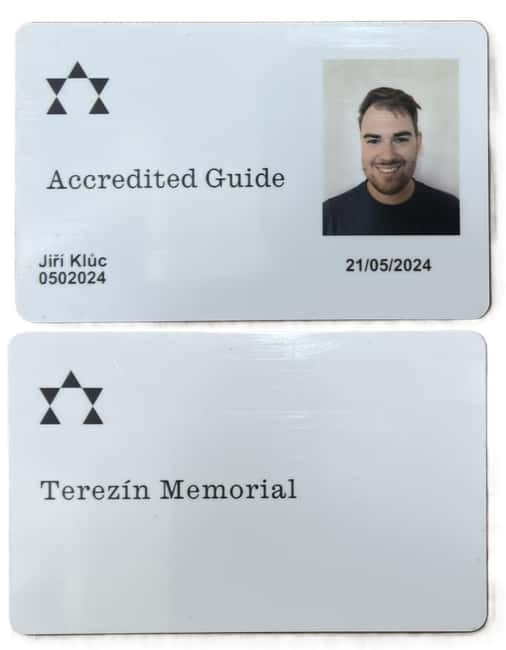
The guide is described as a passionate local historian, and the strongest praise centers on storytelling. Gerry is noted for expertise on the subject and for sharing stories gathered from war survivors. Jiri is praised for making the city and its sights feel personal through clear, engaging storytelling.
Those details are worth considering. WWII tours can become a list of dates and grim facts. A guide who has sought out survivor accounts can add texture and care, provided the stories are handled respectfully.
You should also expect the experience to depend on the guide assigned that day. Both Gerry and Jiri receive strong praise, but the tour is not presented as a private booking with one named historian guaranteed. If having a particular guide matters to you, ask before reserving.
What the $61 price includes
At $61 per person, this is not the cheapest way to spend a morning in Prague, but the price is reasonable for a specialist history walk with a maximum of seven participants.
The fee includes:
- A live English-speaking local historian
- Entrance to the paratroopers’ church
- A Prague public transport ticket
- Water
- All fees and taxes
The included transport ticket is practical because the route does not rely only on a simple straight walk between the starting point and every site. You do not need to work out the local fare during the tour.
The church entrance also removes a small but useful barrier. You can focus on the visit instead of handling another payment. The real value, though, is the guide. If you care about WWII history, the context and personal stories are more important than the water or ticket.
Compared with a large general city tour, the cost buys a narrower subject and a more personal format. If you are mainly interested in Prague’s castles, art, architecture, or food, another tour may suit you better. If you want the city’s wartime story explained by a specialist, $61 is a fair price.
Timing, walking, and the meeting point
The activity lasts 2.5 hours, with starting times available according to the date you select. That length is enough to cover the main subjects without taking up an entire day.
Meet at the Statue of Saint Wenceslas on Wenceslas Square, in front of the National Museum. The nearby McDonald’s is given as a landmark, which should make the meeting area easy to identify.
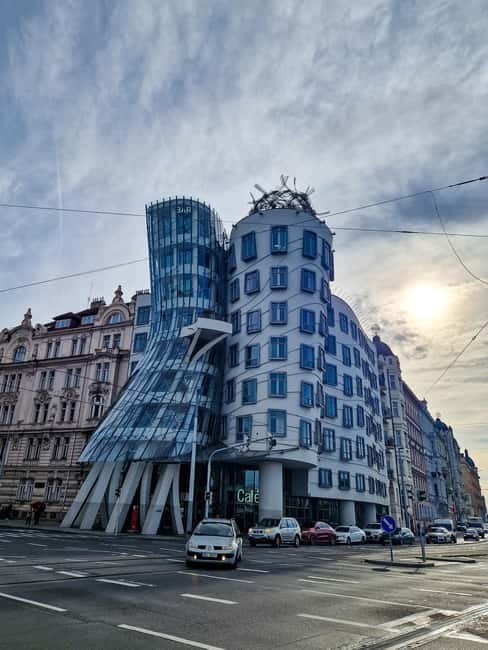
There is conflicting information about the endpoint. The route description lists the Dancing House as the finish, while the meeting information says the activity ends back at the meeting point. Confirm the final drop-off location when you book, particularly if you have a timed reservation afterward.
You should wear comfortable shoes and be ready for a serious walking tour. The experience is listed as unsuitable for children under 10, pregnant women, people with mobility impairments, and wheelchair users. Since another note calls it wheelchair accessible, contact the provider for a clear answer before paying.
Who will appreciate this tour most
I would choose this tour if you already know a little about WWII or want a focused introduction to Prague’s occupation and resistance. It is especially suitable for adults, history students, readers of European history, and people who want to understand the city beyond its famous architecture.
The small group will appeal to you if you like asking questions. It should also suit anyone who prefers a guide who can explain a difficult subject with care rather than rushing through a fixed script.
This may not be the right choice for young children. The subject matter is disturbing, and the tour is specifically not suitable for children under 10. It is also not ideal if you want a relaxed sightseeing walk with plenty of free time for photos.
The experience is in English only. You should be comfortable listening to detailed historical explanations for most of the 2.5 hours.
Should you book the Prague WWII tour?
Book it if Operation Anthropoid, Heydrich, the Czech resistance, the Kindertransports, and Prague’s final wartime months interest you. The church visit, limited group size, and local historian give the tour more substance than a general city walk.
I would be cautious only about the physical demands and the unclear accessibility wording. Confirm the route and endpoint before booking. With those points settled, this is a strong choice for an honest, focused look at Prague’s WWII story, especially if you value personal accounts and careful storytelling over a long list of postcard views.
FAQ
How long does the Prague WWII tour last?
The tour lasts 2.5 hours.
Where does the tour begin?
It begins at the Statue of Saint Wenceslas on Wenceslas Square, in front of the National Museum. A nearby McDonald’s is provided as a landmark.
Where does the tour finish?
The route information lists the Dancing House as the finish, while the meeting information says the activity ends back at the meeting point. Confirm the exact endpoint when booking.
How many people are in the group?
The group is limited to seven participants.
What language is the tour conducted in?
The live tour guide speaks English, and English is the listed tour language.
Is entrance to the paratroopers’ church included?
Yes. Entrance to the paratroopers’ church is included in the price.
Is public transportation included?
Yes. A Prague public transport ticket is included.
Is the tour suitable for children?
It is not suitable for children under 10 years old.
Can wheelchair users join the tour?
The activity information gives conflicting accessibility details. It is marked wheelchair accessible in one place but also says it is not suitable for wheelchair users or people with mobility impairments. Confirm directly with the provider before booking.
Just added around Prague
- Private Day trip from Prague to Kutná Hora★ 5.0 · 3 reviews
- PRAGUE AIRSOFT SHOOTING GAMES★ 4.7 · 3 reviews
- Private 4-hour City Tour of Prague with driver & official guide w/ Hotel pick up★ 5.0 · 3 reviews
- Glass blowing in Prague★ 4.6 · 3 reviews
- Prague to Karlovy Vary Private Transfer★ 4.5 · 3 reviews
- Disney’s Tarzan Musical★ 5.0 · 3 reviews
- Prague Private Tour★ 5.0 · 3 reviews
- Private Bohemian Glass and Czech Crystal Tour with lunch included★ 5.0 · 3 reviews
Communism & WWII History Tours, compared.

Communism History and Nuclear Bunker Guided Tour
Read our review →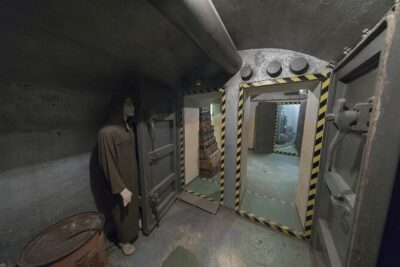
Prague Communism History and Nuclear Bunker Tour
Read our review →
Communism & Nuclear Bunker Tour + 70s Canteen Lunch (own expense)
Read our review →
WWII Guided Tour & The Crypt of Operation Anthropoid
Read our review →
WWII in Prague Tour & The Crypt of Operation Anthropoid
Read our review →
Communism and Bunker Tour with 70s Canteen Lunch
Read our review →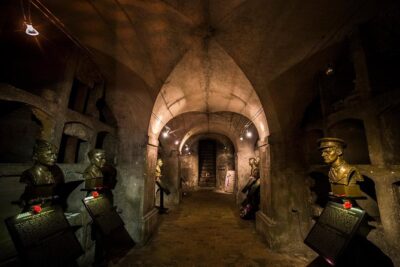
Small-Group World War 2 & Operation Anthropoid Tour in Prague
Read our review →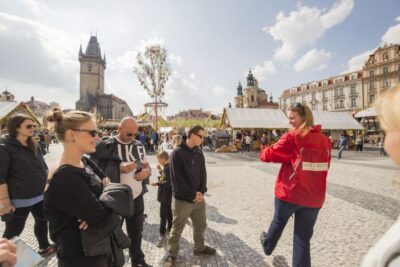
World War 2 and Operation Anthropoid Walking Tour
Read our review →Browse the lists this tour appears in