
REVIEW · COMMUNISM & WWII HISTORY TOURS
Prague: Communism and Bunker Tour with 70s Canteen Lunch
History gets real underground. This Prague Communism and Bunker Tour connects major events with the streets where they unfolded, then adds an authentic 1950s nuclear bunker and a 1970s workers’ canteen on the longer option. I like the clear timeline, from the 1948 Communist coup through the Prague Spring to the Velvet Revolution, and I like the small groups, limited to 15 people.
The main consideration is time. The two-hour walk gives you the history but skips the bunker and canteen, while the four-hour version asks you to spend much of your day walking and listening. Lunch is also at your own expense, though the bunker admission, worth about €10, is included with the extended tour.
In This Review
- Key points at a glance
- Why Prague’s communist past belongs on your itinerary
- Starting beneath the Powder Tower
- Old Town, where the timeline begins
- New Town and the events of 1948, 1968, and 1989
- The 1970s canteen break
- Inside the Cold War bunker
- The guides are the heart of the experience
- Two hours or four hours?
- Is $33 a fair price?
- Practical details before you go
- Who should book it?
- Should you book this Prague communism tour?
- FAQ
- Where does the tour start?
- What are the two tour options?
- Is the bunker included in the price?
- Is lunch included?
- What language is the tour conducted in?
- Is the tour suitable for people with claustrophobia?
- Does the tour run in bad weather?
Key points at a glance
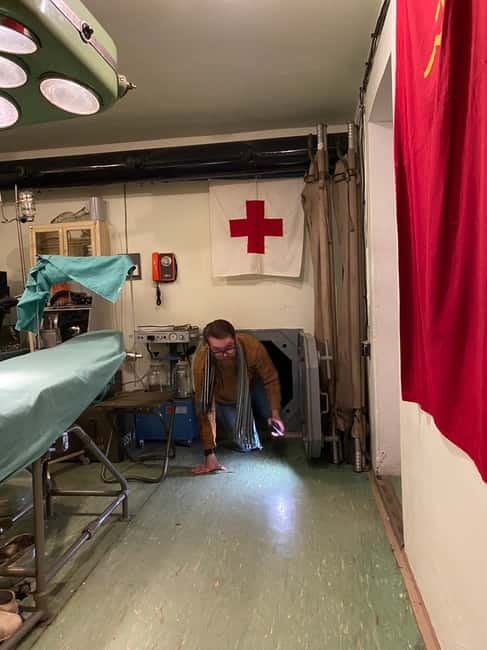
- The 1950s nuclear bunker: Enter an authentic Cold War shelter where the atmosphere matters as much as the displays.
- A 1970s workers’ canteen: The longer tour includes a 30-minute stop for Czech food or Kofola, with lunch paid separately.
- A clear Prague timeline: The guide explains the 1948 coup, Prague Spring, life behind the Iron Curtain, and the 1989 Velvet Revolution.
- Local guides make the difference: Klara, Leo, Tereza, and other guides are praised for personal stories, humor, photos, quizzes, and patient answers.
- A compact walking route: Begin at the Powder Tower, continue through Old Town and New Town, and finish near the Jalta Boutique Hotel or back at the meeting point, depending on the confirmed arrangement.
- A useful souvenir: You receive a real communist-era pin, a small but fitting reminder of the subject.
Why Prague’s communist past belongs on your itinerary
Prague can seem wrapped in Gothic towers, Baroque churches, and polished squares. That postcard view is only part of the city. The Communist period shaped daily life, public spaces, travel, work, shopping, education, and the way people spoke in private.
This tour helps you read the modern city through that recent past. Instead of treating communism as a list of dates, the guide places events in a sequence you can follow while walking through central Prague. That makes the subject easier to grasp, especially if Czech and Czechoslovak history are new to you.
The tour covers former Czechoslovakia rather than Prague alone. You hear about the 1948 Communist takeover, the reforms and Soviet-led crushing of the Prague Spring in 1968, and the peaceful demonstrations that brought the system down in 1989. The guide also explains how those political shifts affected ordinary people, not only party leaders.
I especially value the use of personal and family stories. Klara is praised for explaining life behind the Iron Curtain through her family’s experience. That kind of account can make an abstract political system easier to understand, though you should remember that a personal story gives one window into the period, not every possible experience.
More communism and wartime history tours:
- Prague: Communism History and Nuclear Bunker Guided Tour
★ 4.7 · 2,417 reviews - Prague Communism History and Nuclear Bunker Tour
★ 5.0 · 1,742 reviews - Communism & Nuclear Bunker Tour + 70s Canteen Lunch (own expense)
★ 5.0 · 1,036 reviews
Starting beneath the Powder Tower
The meeting point is the Powder Tower at Náměstí Republiky, or Republic Square. Look for a guide holding a blue umbrella. This is a sensible place to begin because it sits at the edge of Prague’s historic core and puts you within easy reach of both Old Town and New Town.
Arrive with comfortable shoes and a little patience for city walking. The route uses public streets and squares, and the tour runs in rain or shine. You are not boarding a bus, so wet weather can affect your comfort even though it does not cancel the activity.
The group limit of 15 is important here. A guide can keep the discussion moving while still taking questions, and you are less likely to feel lost in a large crowd. Some departures may be much smaller. One family had a private-feeling outing with only four people, while another group had six.
Old Town, where the timeline begins
The first guided section takes you through Old Town and lasts about an hour. The focus is not simply on famous buildings. You learn how streets and public places connect with political change, and the guide uses historical photographs to show how parts of Prague looked before, during, and after Communist rule.
Those visual comparisons are useful. A political explanation can float away if you cannot connect it to the place under your feet. Seeing an older image while standing in the same area helps you notice what has changed and what has survived.
Guides also use different ways to keep the walk active. Leo has used quiz questions between stops, while Klara has brought printed images and encouraged questions throughout the route. These touches matter because the subject includes plenty of names, dates, and competing viewpoints.
You should expect a serious subject presented in a friendly way. The guides are described as funny, relaxed, and willing to pause for questions. That balance helps, but the experience is still a history tour, not a sightseeing stroll with a few political facts added.
New Town and the events of 1948, 1968, and 1989
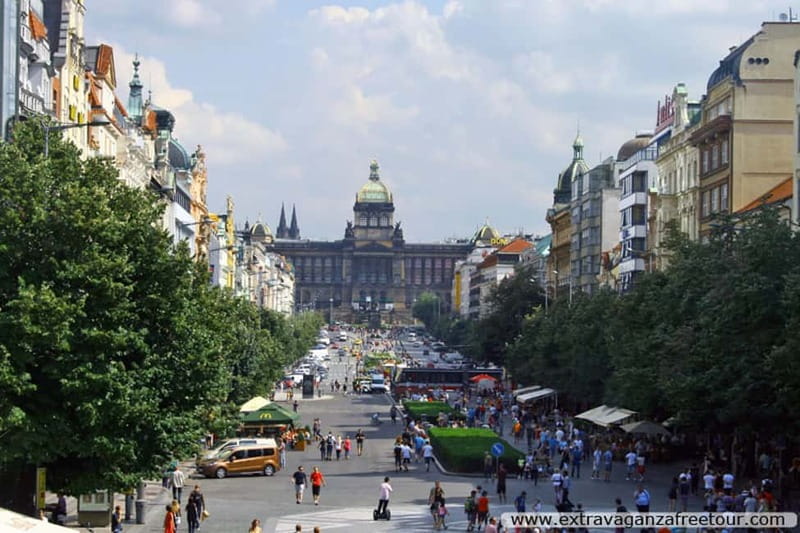
The second walking section moves into New Town and lasts about an hour. The route includes Wenceslas Square, one of the key places connected with modern Czech political life. The guide sets the major events into a simple historical line, so you can see how one period led into the next.
The 1948 Communist coup is an essential starting point. From there, the tour explains the political system that developed and the pressures it placed on everyday life. The guide also discusses the Prague Spring, the period of attempted reform in 1968, and the Soviet invasion that ended it.
The final major chapter is the Velvet Revolution of 1989. Here, personal recollections add weight to the public story. Guides who grew up under communism can explain what changed after 1989 and what it felt like to live with restrictions before that change.
This section is likely the strongest part for anyone who wants context before entering the bunker. Without it, the bunker could become a collection of Cold War objects. With it, the shelter becomes part of a wider story about fear, government control, military threat, and civil life.
A few more trips of this kind worth comparing:
- Prague Guided Walking Tour and Cruise with Authentic Czech Lunch
★ 5.0 · 3,627 reviews - Prague: Vltava River Lunch Cruise in an Open-Top Glass Boat
★ 4.5 · 2,865 reviews - Prague: Hard Rock Cafe with Set Menu for Lunch or Dinner
★ 4.4 · 1,487 reviews - Full-Day Prague Tour with Prague Castle, Lunch and Vltava Cruise
★ 4.0 · 921 reviews
The 1970s canteen break
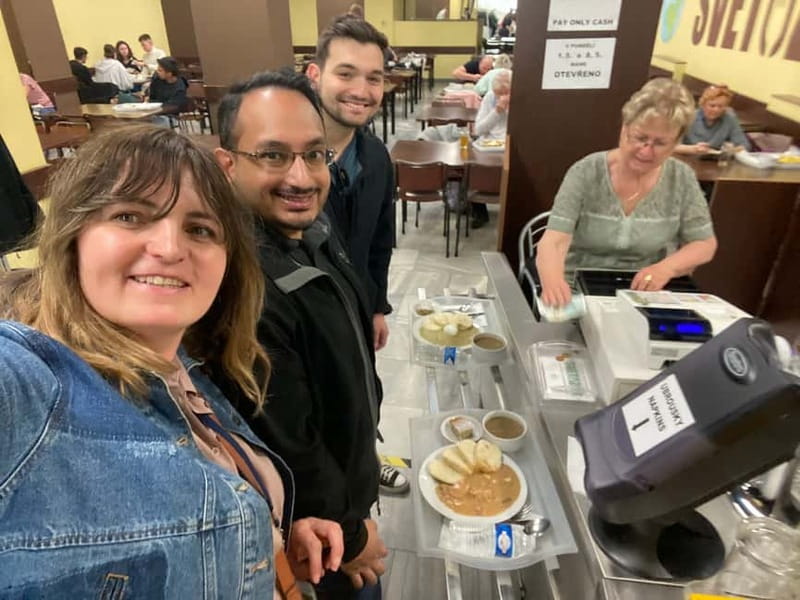
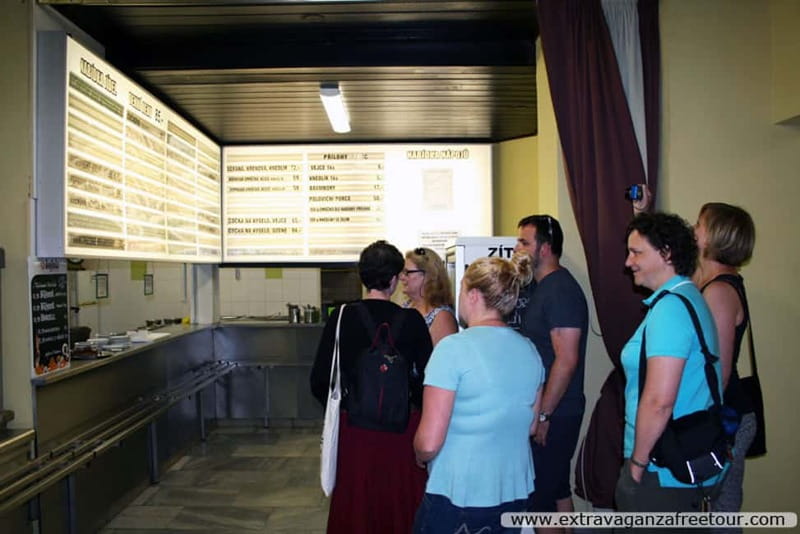
The four-hour option includes a 30-minute break at a retro workers’ canteen from the 1970s. You can order a Czech meal or Kofola, the popular Czech soft drink, but food and drinks are not included in the tour price.
This is a good stop for more than simple refreshment. A canteen gives you a practical look at working-class food culture and the everyday side of the period. It is less formal than a museum and more connected to ordinary routines.
Do not expect a carefully designed restaurant meal aimed at modern tourists. The appeal is the setting and the period feel. The food choice may suit you if you want a traditional Czech break, but picky eaters or anyone with a tight schedule should remember that the stop takes about half an hour.
The guide may also point out surviving Czech products and habits from the era. One guide took the group to a supermarket and showed them Czech chocolate bars that survived the change from communism to capitalism. That sort of small observation can make the period feel less distant.
The canteen stop is optional in the sense that you choose whether to buy lunch or Kofola. It is still part of the longer tour schedule, so ask the guide how the break will work if you prefer not to eat.
Inside the Cold War bunker
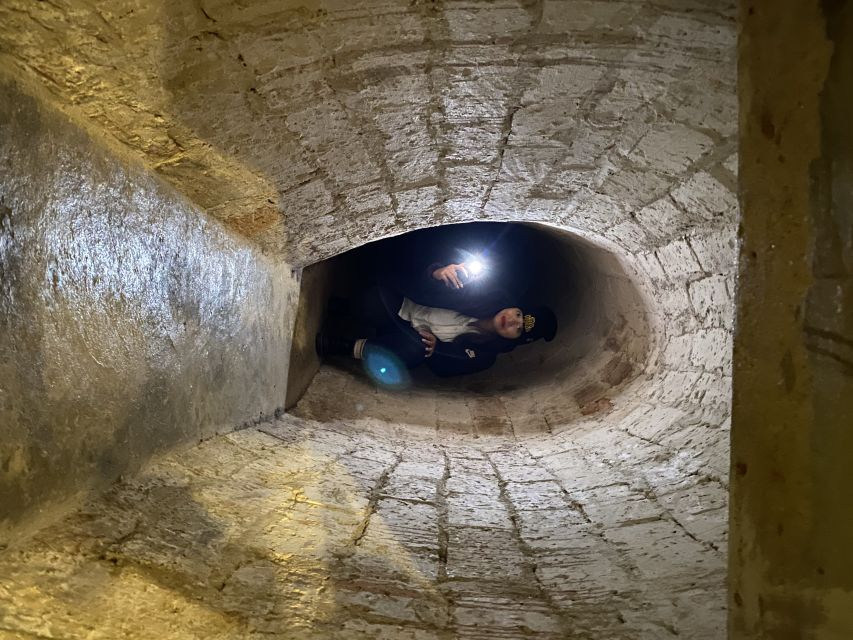
The bunker is the main reason to choose the four-hour tour. Entry to the 1950s nuclear bunker costs about 250 CZK, or €10, and is included in the extended option. You then take a guided bunker visit rather than simply walking through the space alone.
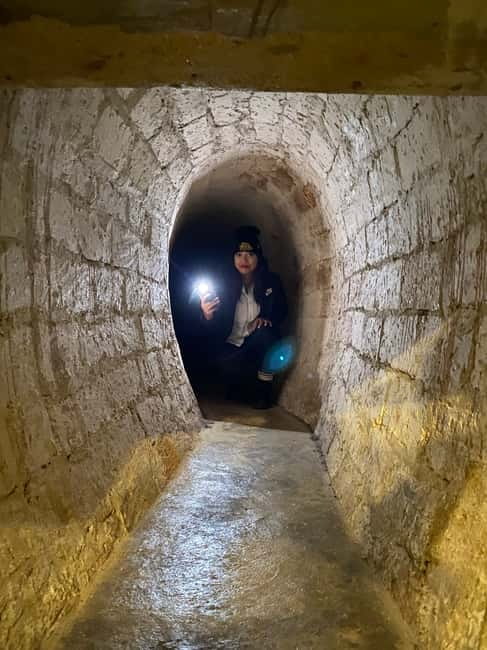
The bunker captures the mood of the early Cold War. Its value comes from the physical setting: enclosed rooms, a defensive purpose, and the uncomfortable knowledge that places like this were built for a possible nuclear emergency. You are not just hearing about Cold War anxiety. You are standing in one of its practical responses.
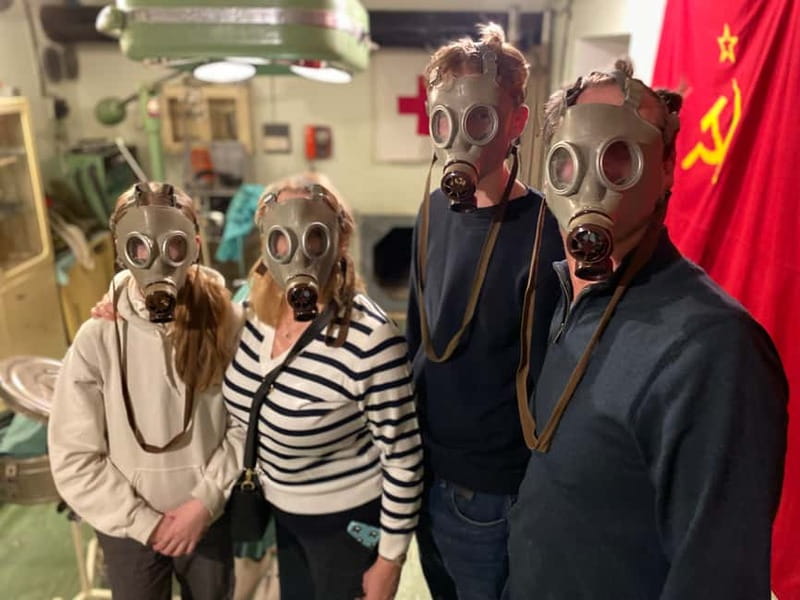
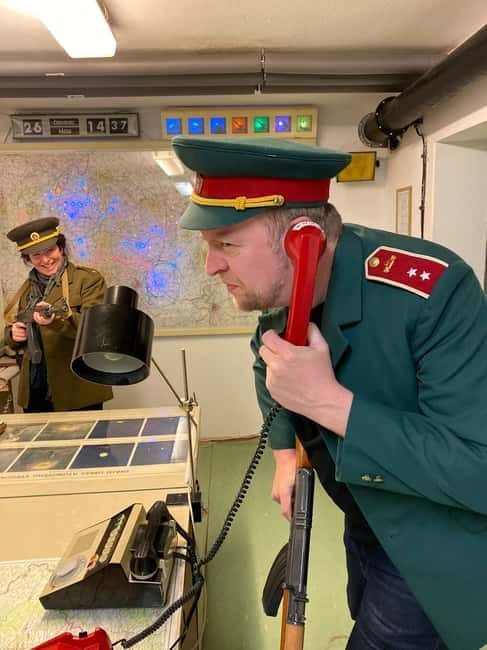
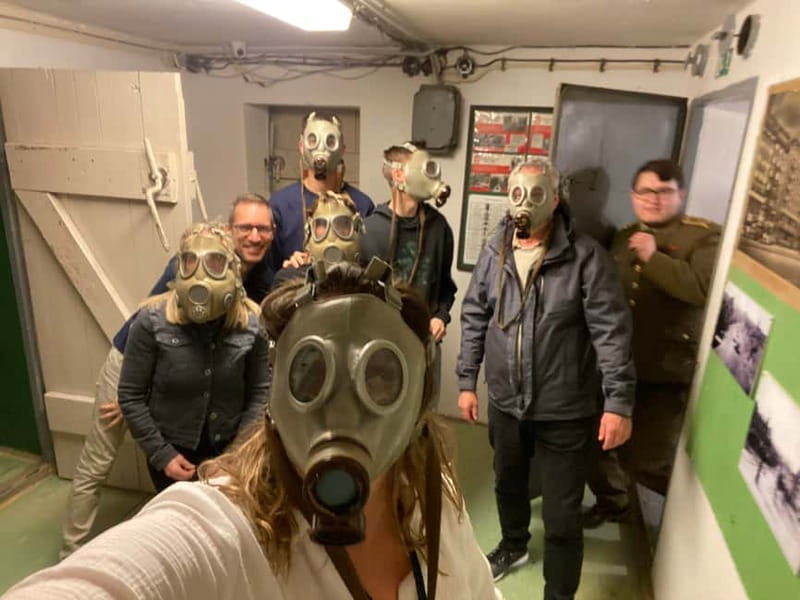
The experience is also interactive. Guides have allowed participants to try period equipment and uniforms, take photographs, and play along with simple role-play in the bunker. Leo is praised for making the visit fun, while Klara has been especially good at explaining the equipment and giving people time for photos.
That hands-on approach suits families and curious adults. It also keeps the bunker from becoming too grim or too technical. Still, the subject can feel heavy, and the enclosed setting is not suitable for people with claustrophobia. If tight underground spaces make you uncomfortable, choose the two-hour walking tour instead.
The bunker is not a substitute for a full museum visit. It is one focused part of a guided city experience. Its strength is the connection between the earlier street-level story and the physical shelter below ground.
The guides are the heart of the experience
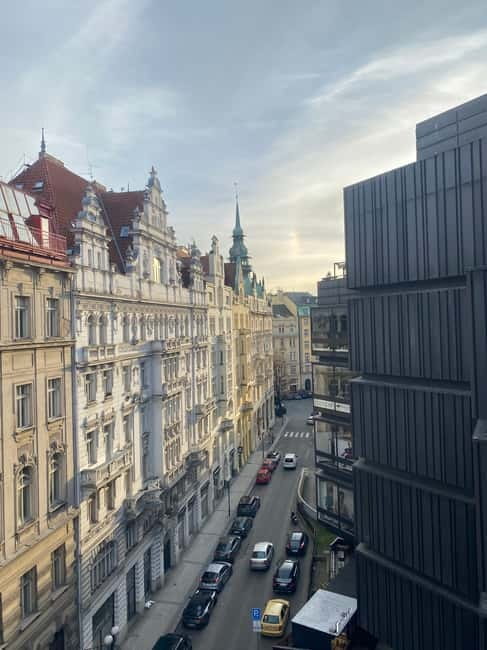
The tour depends heavily on the person holding the blue umbrella. The strongest praise goes to Klara, Leo, and Tereza, each of whom is described as warm, engaging, and well prepared.
Klara receives particular credit for using family experiences, printed photographs, humor, and patient answers. Tereza is praised for her enthusiasm and broad command of the subject. Leo has used quiz questions and a lively approach to make the walk easier to follow.
That variety is worth keeping in mind. A tour guide is not a recorded audio track, so the exact balance of jokes, personal anecdotes, and political detail can vary by departure. The common thread is an English-speaking local guide who encourages questions rather than delivering a fixed speech and sending you on your way.
I like that the guides appear willing to adjust the pace. One small family group was offered a more tailored route, with the guide ready to extend or shorten the break. You should still treat that as a possibility rather than a guarantee, since it depends on group size and the day’s schedule.
Two hours or four hours?
The shorter option is best if you want a focused introduction. You walk through Old Town and New Town, spend about an hour in each area, and get the main historical framework without adding lunch or the bunker.
Choose the two-hour version if:
- You have limited time in Prague.
- You prefer open-air walking to underground spaces.
- You want historical context before visiting other attractions.
- You are unsure how much time you want to spend on the Communist period.
The four-hour version gives you the complete experience. It adds the canteen break and the bunker, with the bunker admission included. The extra two hours are worthwhile if you enjoy guided history and want something more tangible than a city walk.
Choose the four-hour version if:
- The Cold War and everyday life under communism interest you.
- You want to enter an authentic bunker.
- You enjoy interactive displays and period equipment.
- You can manage several hours of walking with a 30-minute break.
The longer route is not automatically better. If you mainly want to see central Prague, the shorter walk may be enough. If you want to understand the period and feel its physical atmosphere, the bunker makes the extended option better value.
Is $33 a fair price?
At $33 per person, the price is reasonable for the four-hour option, especially because the €10 bunker entry is included. You are also paying for an English-speaking local guide, a small group, a two-hour walking explanation, the canteen stop, and the guided bunker visit.
Lunch is not included, so budget separately for a Czech meal or Kofola. That keeps the advertised price down, but it means the final cost depends on what you order. The canteen is part of the cultural experience, not a free meal.
The two-hour option may feel less strong if it costs close to the same as the extended tour. Check the price difference when booking. If the four-hour departure is only modestly more expensive, the bunker admission alone makes it attractive.
A real communist-era pin is included as a souvenir. It is small, but it fits the tour better than a generic Prague magnet and gives you something connected to the topic.
The tour has a 4.8 rating from 250 reviews, which supports the idea that the format works well for many people. The most repeated strengths are the guides’ clear explanations, personal stories, humor, willingness to answer questions, and the bunker’s interactive character.
Practical details before you go
Wear comfortable shoes. The experience combines roughly two hours of city walking with an underground visit on the longer route.
Bring a rain layer because the tour runs in all weather. The outdoor sections do not disappear if the forecast turns wet, and the meeting point is outdoors at Republic Square.
The tour is conducted in English. If you want to ask detailed questions about Czech politics, family life, or the Cold War, the small group format gives you a good chance to do so.
The activity information lists the finish at the Jalta Boutique Hotel, while the meeting instructions also say the activity ends back at the meeting point. Confirm the exact end point for your chosen departure, especially if you have a restaurant booking or train to catch.
You can cancel up to 24 hours before the start for a full refund, and reserve now while paying later. Those terms are useful if your Prague schedule is still changing.
Who should book it?
I would choose this tour for a first visit to Prague if I wanted more than castles and pretty squares. It gives you a strong historical frame, then adds places that most standard sightseeing routes do not include.
It suits history fans, families with older children, couples, and curious visitors who prefer stories about ordinary life to a long list of architectural dates. The quiz questions, old photos, uniforms, and photo opportunities also help keep younger participants involved.
It is less suitable if you dislike group walking, have claustrophobia, or want a relaxed food tour. The subject can be serious, and the bunker is enclosed. The two-hour option solves the bunker problem but still requires walking outdoors in all weather.
Should you book this Prague communism tour?
Book the four-hour tour if you want the most memorable version. The bunker, included admission, and 1970s canteen give the history a physical and everyday side that the walking route alone cannot provide.
Choose the two-hour walk if your schedule is tight or you want a lighter introduction. Either way, the main value lies in the guide. Klara, Leo, and Tereza are repeatedly praised for making a difficult subject understandable, personal, and often funny without losing its seriousness.
For $33, the longer option offers a useful mix of Prague streets, local stories, Czech food culture, and Cold War atmosphere. It is a good pick for seeing the city beyond its beautiful surface.
FAQ
Where does the tour start?
It starts at the Powder Tower on Náměstí Republiky, also called Republic Square. Look for guides holding a blue umbrella.
What are the two tour options?
You can choose a two-hour Communism Walking Tour or a four-hour tour that adds the nuclear bunker and 1970s canteen stop.
Is the bunker included in the price?
Bunker entry is included with the four-hour option. The entry fee is listed as worth 250 CZK, or about €10.
Is lunch included?
No. The four-hour tour includes a 30-minute break at a 1970s workers’ canteen, but any meal or Kofola you order is paid for separately.
What language is the tour conducted in?
The live guided tour is conducted in English.
Is the tour suitable for people with claustrophobia?
No. The bunker portion is not suitable for people with claustrophobia. You can choose the two-hour walking tour instead, which does not include the bunker.
Does the tour run in bad weather?
Yes. The tour takes place rain or shine, so bring suitable clothing for the outdoor walking sections.
Just added around Prague
- Private Day trip from Prague to Kutná Hora★ 5.0 · 3 reviews
- Private 4-hour City Tour of Prague with driver & official guide w/ Hotel pick up★ 5.0 · 3 reviews
- PRAGUE AIRSOFT SHOOTING GAMES★ 4.7 · 3 reviews
- Glass blowing in Prague★ 4.6 · 3 reviews
- Prague to Karlovy Vary Private Transfer★ 4.5 · 3 reviews
- Disney’s Tarzan Musical★ 5.0 · 3 reviews
- Prague Private Tour★ 5.0 · 3 reviews
- Private Bohemian Glass and Czech Crystal Tour with lunch included★ 5.0 · 3 reviews
Communism & WWII History Tours, compared.

Communism History and Nuclear Bunker Guided Tour
Read our review →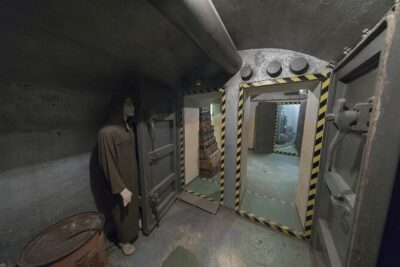
Prague Communism History and Nuclear Bunker Tour
Read our review →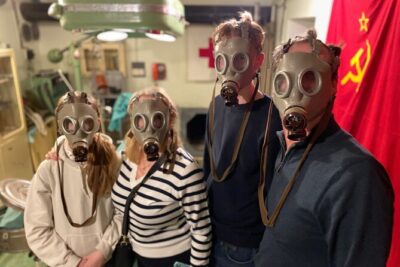
Communism & Nuclear Bunker Tour + 70s Canteen Lunch (own expense)
Read our review →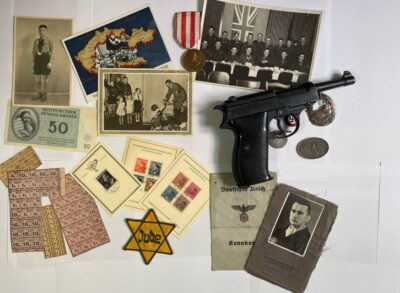
WWII Guided Tour & The Crypt of Operation Anthropoid
Read our review →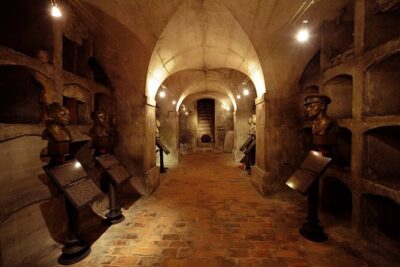
WWII in Prague Tour & The Crypt of Operation Anthropoid
Read our review →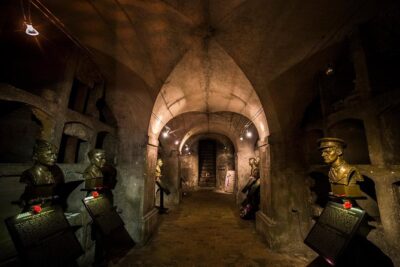
Small-Group World War 2 & Operation Anthropoid Tour in Prague
Read our review →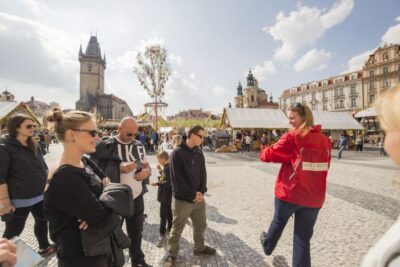
World War 2 and Operation Anthropoid Walking Tour
Read our review →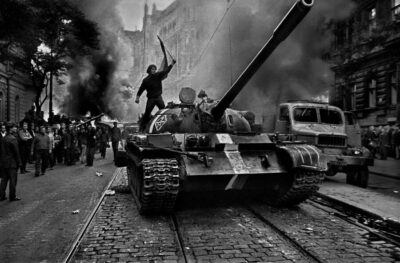
Browse the lists this tour appears in