
REVIEW · COMMUNISM & WWII HISTORY TOURS
Prague: Communists and World War II Tour
History leaves marks on Prague’s streets. This two-hour walk connects World War I, Nazi occupation, and Communist rule, showing how one political crisis helped set up the next. Guides such as Barbara, Martin, Otakar, Inna, and Dana have earned praise for clear explanations and thoughtful answers.
I like the way the tour links major events instead of treating them as isolated dates. I also like its focus on real people, including Jan Palach and Milada Horáková. The main consideration is that this is a discussion-heavy walk, not a parade of grand sights, and one guide’s film was found repetitive after the explanations had already made the subject clear.
In This Review
- Key points to know before you book
- Why Prague’s modern history needs a walking tour
- Meeting at Křižovnické náměstí beside Charles Bridge
- Národní and New Town: from national independence to occupation
- Wenceslas Square and the costs of Communist power
- The 30-meter Stalin statue and the visual language of power
- Republic Square and the long road to the Velvet Revolution
- What the museum option adds
- Guides, group feel, and the best way to use your two hours
- Is $29 a fair price for Prague’s Communist and WWII history?
- Who should book this walk?
- Final verdict: book it for context, not spectacle
- FAQ
- How long does the Prague Communists and World War II Tour last?
- Where does the tour begin?
- How do I find the guide?
- Where does the tour finish?
- Which languages are available?
- Is Museum of Communism admission included?
- What should I bring?
- Can I cancel the booking?
Key points to know before you book
- A two-hour walk from Charles Bridge to central Prague: The route begins at Křižovnické náměstí and continues through Národní, New Town, Wenceslas Square, and Republic Square.
- A clear route through 20th-century politics: You follow the creation of Czechoslovakia, the Nazi period, the Communist Revolution, Soviet occupation, and the Velvet Revolution.
- Stories matter more than sightseeing: The value comes from connecting streets and squares to political events, protests, repression, and resistance.
- The former 30-meter Stalin monument is part of the story: The tour uses Prague’s dramatic Stalin statue as a way to explain Communist power and public symbolism.
- A useful museum add-on: You receive a 10 percent discount for the Museum of Communism, and museum admission is included if you select that option.
- A strong choice for curious adults: The pace and subject suit people who enjoy asking questions and thinking about how ordinary life changes under political systems.
Why Prague’s modern history needs a walking tour
Prague is easy to admire without understanding much about its recent past. The Charles Bridge, Old Town lanes, and Baroque churches can keep you happily occupied for days. Yet much of the city’s political story unfolded in ordinary streets, office buildings, public squares, and student gathering places.
That is the strength of this tour. You are not simply told that Czechoslovakia was created, occupied, ruled by Communists, and later freed from one-party government. You walk through the city while a guide explains how those changes affected daily life and public behavior.
The route begins with the political conditions that led to the creation of Czechoslovakia after World War I. From there, it moves into the events that made the country vulnerable before World War II, the Nazi occupation, and the postwar shift toward Communist rule.
I appreciate this broad arc because it gives you a useful framework. If you visit the Museum of Communism afterward, or read about the Prague Spring and Velvet Revolution later, you already have a basic map in your head.
The tour is also a reminder that political history is not only about presidents and treaties. It is about black-listed books, burned writing, students protesting in public, people risking their lives, and families learning what they could safely say. That human scale gives the walk its purpose.
More communism and wartime history tours:
- Prague: Communism History and Nuclear Bunker Guided Tour
★ 4.7 · 2,417 reviews - Prague Communism History and Nuclear Bunker Tour
★ 5.0 · 1,742 reviews - Communism & Nuclear Bunker Tour + 70s Canteen Lunch (own expense)
★ 5.0 · 1,036 reviews
Meeting at Křižovnické náměstí beside Charles Bridge
The starting point is in front of Charles Bridge at Křižovnické square, beside the statue of Charles IV. Look for the guide holding an orange umbrella. Staroměstská is the nearest tram or subway station.
Allow a little extra time to find the correct person. One practical annoyance is that several guides may gather near Charles Bridge with similar orange umbrellas. A name printed on the umbrella would make the meeting easier, so check carefully before the tour begins.
This is a busy part of Prague, and the meeting point is surrounded by some of the city’s most famous sights. That makes it convenient if you are already exploring the Old Town, but it can also be crowded and distracting. Arriving early gives you time to identify the guide without rushing.
The walk itself lasts two hours. Wear comfortable shoes, since the experience is entirely on foot and includes several central Prague districts. There is no indication of a difficult hike, but standing and walking on city streets for two hours is still more pleasant in sensible footwear.
Národní and New Town: from national independence to occupation
One of the early stops is Národní, or National Street. This is a valuable place to discuss the formation of Czechoslovakia and the political changes that followed World War I.
The guide’s job here is to show how the end of one European conflict helped create a new country, while also leaving behind tensions that did not disappear. You get the beginnings of a cause-and-effect story rather than a list of dates.
As the route continues into New Town, the focus turns toward the years before and during World War II. You hear about the streets where the Nazi Gestapo once operated and how the occupation changed public life.
This part of the walk may appeal to you if you prefer history tied to exact places. The streets themselves may not look dramatically different from other central Prague streets, but that contrast is part of the lesson. A normal-looking building can have a grim past, and a familiar route can become more meaningful once you know what happened there.
The tour also addresses the political road from World War I toward World War II. It does not treat the second war as an event that appeared without warning. Instead, the guide explains the larger political pressures and shifts that shaped Czechoslovakia’s position.
Do not expect a long stop at every site. Two hours is enough for a strong introduction, not an exhaustive study of each building or event. If you want detailed military history, this may feel too broad. If you want to understand Prague’s political turning points, the scope is useful.
Wenceslas Square and the costs of Communist power
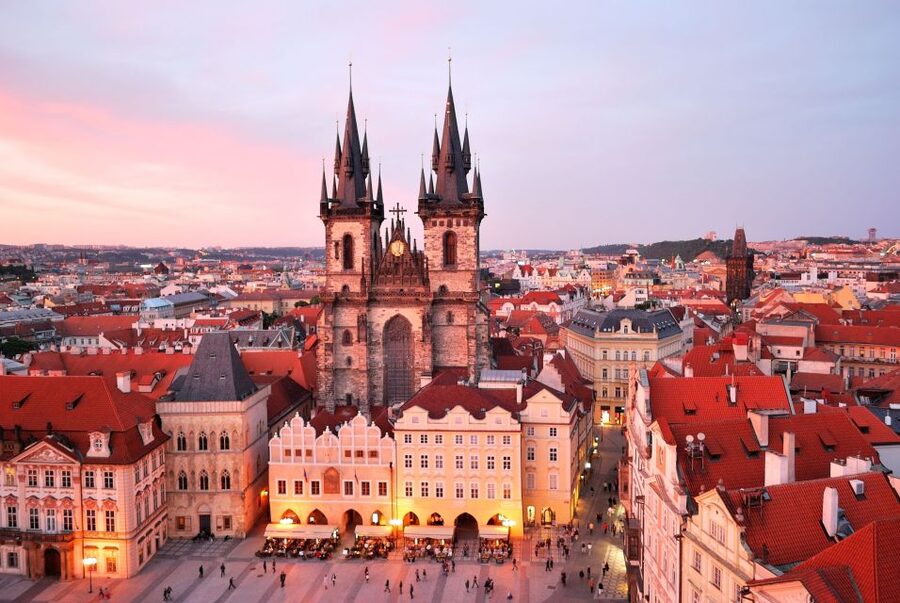
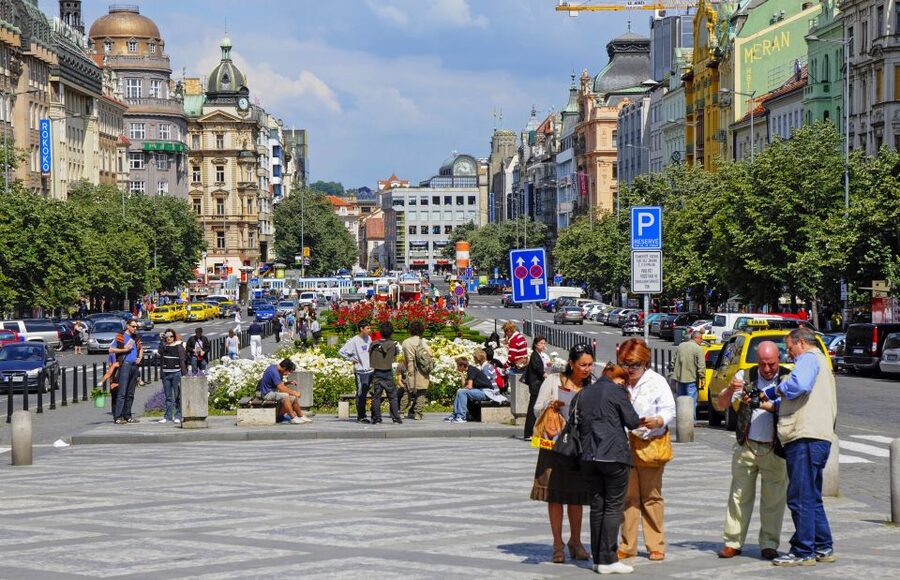
Wenceslas Square is one of the most important places on the route. Its size makes it easy to picture large public gatherings, political announcements, demonstrations, and moments when private fear became public action.
Here, the guide explains the Communist Revolution and the beginning of life behind the Iron Curtain. You learn how political control reached beyond government offices into education, reading, public speech, and ordinary choices.
The references to black-listed books being burned are especially useful because they make censorship concrete. Communism was not only a system of speeches and party meetings. It also shaped which writers could be read, which careers could continue, and which ideas could be discussed openly.
This is where a live guide adds value. You can read a short account of Communist rule on your own, but a guide can pause, explain a term, answer a question, or connect the official story to daily life. Martin, Inna, and Otakar have been praised for handling questions about life during Communist rule and the changes that followed.
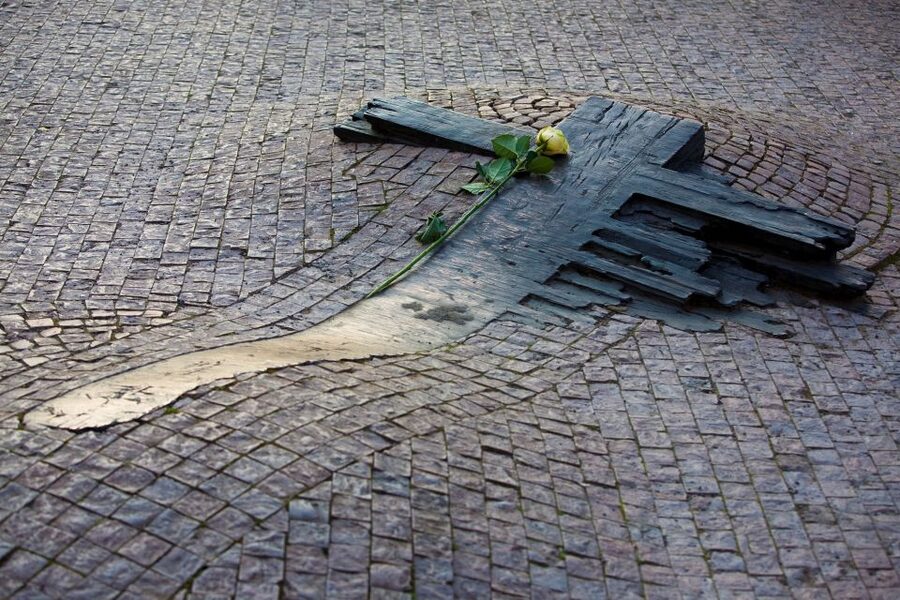
Wenceslas Square also brings the story toward Jan Palach, the student who set himself on fire in protest. His action is one of the tour’s most difficult subjects, and it is presented as part of the pressure and despair surrounding Soviet occupation and political repression.
The story is not included for shock value. It helps explain why students, intellectuals, and ordinary citizens became symbols of resistance. You may find this section emotionally heavy, but it is central to understanding the moral stakes of Prague’s 20th-century history.
A completely different kind of day out in Prague:
- Prague: 50-Minute Sightseeing Evening Cruise
★ 4.2 · 33,780 reviews - Prague: Medieval Dinner with Unlimited Drinks
★ 4.4 · 19,847 reviews - Prague: Castle Tour with Local Guide and Entry Ticket
★ 4.6 · 10,422 reviews - Prague Castle 2.5-Hour Tour Including Admission Ticket
★ 4.7 · 8,927 reviews
The 30-meter Stalin statue and the visual language of power
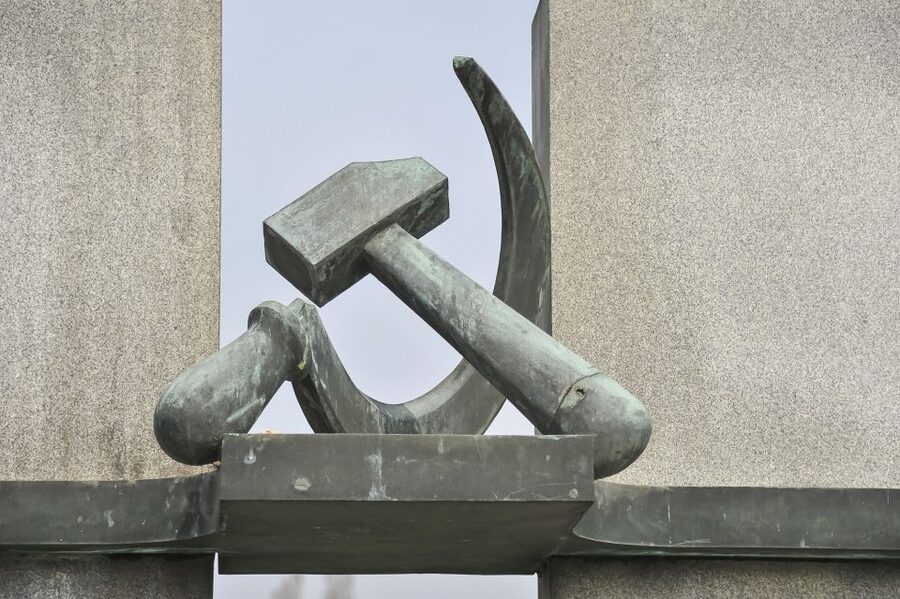
The tour includes a dramatic 30-meter-tall statue of Stalin. Its scale makes the Communist state’s use of public art easy to grasp. A monument of that size does not whisper. It tells you who is meant to be honored, who controls the public square, and how power wants to be seen.
This is one of the more memorable visual moments on the route because it gives you something physical to study while hearing about the politics behind it. The statue is not treated merely as an unusual photo stop. It becomes evidence of how governments use monuments to shape memory and obedience.
The larger lesson is useful beyond Prague. Political systems often express their values in statues, buildings, ceremonies, and renamed streets. Once you notice that, you start reading a city differently.
The stop also gives the guide a chance to explain the postwar relationship between Czechoslovakia and the Soviet Union. You hear about Russian occupation, the limits placed on national independence, and the public response that eventually helped bring about the Velvet Revolution.
The exact amount of time spent here may depend on the group and the guide. Some groups may want more political explanation, while others may ask about the statue itself or current Czech life. The best guides, including Otakar and Barbara according to the feedback available, appear comfortable adjusting the conversation.
Republic Square and the long road to the Velvet Revolution
The route continues toward Republic Square, ending in central Prague. By this point, the story has moved from the birth of Czechoslovakia through war, occupation, Communist rule, Soviet influence, and resistance.
The Velvet Revolution is the natural final chapter. The tour explains what led to the peaceful political change and how the events of the late 1980s ended Communist rule in Czechoslovakia.
This ending gives the walk a sense of direction without pretending that political change solves every problem. You learn how pressure built, how public action mattered, and why Prague became such an important setting for the country’s transformation.
One strong feature is the attention to people who forced change or paid a personal price. Along with Jan Palach, the tour covers Milada Horáková, whose stand against Communism became one of the clearest examples of political courage in modern Czech history. These stories keep the tour from becoming too abstract.
The final stretch is also a good time to ask questions. Guides have discussed what remains in Czech memory, how life changed after Communism, and what is happening in Prague and the Czech Republic today. The tour is focused on the 20th century, but it can help you make sense of present-day conversations about national identity and political freedom.
What the museum option adds
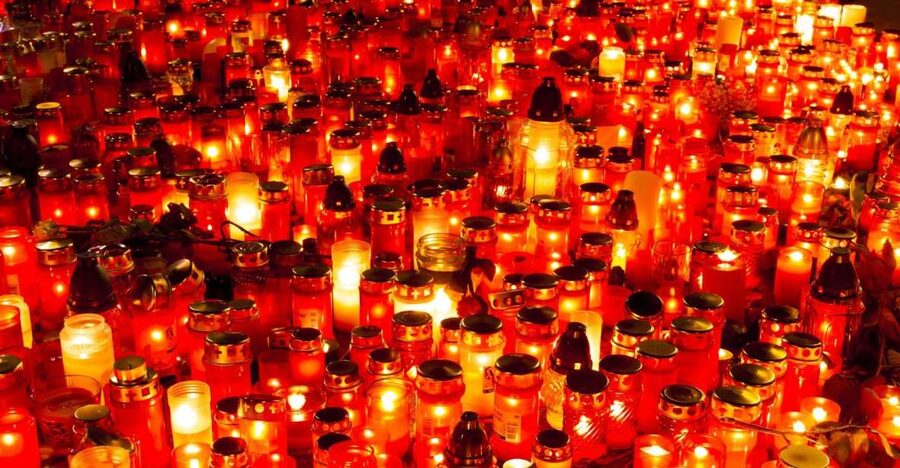
You receive a 10 percent discount for the Museum of Communism. Museum entry is included if you choose the option that includes the ticket.
I would treat the walking tour and museum as two parts of one lesson. The walk gives you place, movement, and personal stories. The museum can give you more objects, images, and background about Communist life.
The timing matters. If you select the museum option, confirm how the visit fits with your schedule, since the walking portion itself lasts two hours and the museum requires additional time. You should not assume that the tour’s two-hour duration includes a full museum visit.
One guide explained the subject so clearly that a film at the museum felt repetitive afterward. That is a fair warning, not a reason to skip the museum. If you enjoy displays and visual material, the museum may add useful detail. If you prefer conversation and site-based history, the walk may be the stronger part.
The 10 percent discount is helpful, especially if you already planned to visit. At the advertised price of $29 per person, the walk offers solid value for a focused introduction, but the overall value depends on the museum option and your interest in modern political history.
Guides, group feel, and the best way to use your two hours
The guide matters greatly here. The strongest feedback centers on clear explanations, energy, patience, and the ability to answer questions. Barbara has been praised for an engaging and intelligent presentation. Otakar has been noted for strong answers and a lively command of the subject. Martin has led detailed conversations about Communist life and Prague’s changes.
Group size can vary. One booking had only two people, creating plenty of room for questions. You should not count on a private walk, but smaller groups can make a major difference on a subject that benefits from conversation.
I would tell your guide at the start what interests you most. You might want more on the Nazi period, the Communist Revolution, the Iron Curtain, Jan Palach, or present-day Czech politics. A good guide can adjust the balance when the group asks direct questions.
This is not mainly a sightseeing tour. You will pass through attractive and important parts of central Prague, but the guide may spend several minutes explaining an event while you stand near a street corner or square. That is exactly what some people want and precisely what others may find less exciting.
The experience suits adults, students, and older children who can follow political history. One parent chose to leave the children behind because the tour was more about learning than seeing conventional sights. That is sensible advice if your children need constant visual activity.
The tour is offered in English, German, and Russian. Alcohol and drugs are not allowed. You can cancel up to 24 hours in advance for a full refund, and the reserve-now, pay-later option keeps your plans flexible.
Is $29 a fair price for Prague’s Communist and WWII history?
At $29 per person, this is a reasonable price for a live two-hour walking tour with a local guide. The value comes from the structure: you are paying for someone to connect scattered places and complicated events into one understandable story.
A self-guided walk costs less, of course. You can visit Národní, Wenceslas Square, and Republic Square without paying anything. But you would need to research the sequence of events yourself, and you might miss the links between the creation of Czechoslovakia, Nazi rule, Communist control, Soviet occupation, and the Velvet Revolution.
The price is easiest to justify if you ask questions. The strongest part of the experience is not simply hearing prepared facts. It is being able to stop and ask how Communist rule affected daily life, why certain people became symbols, or what remains in public memory.
I would book it early in your Prague stay, preferably near the beginning of your visit. The route can change how you read later sights, including public monuments, squares, and memorials.
Who should book this walk?
Book this tour if you want a clear introduction to Prague’s modern political story, especially if World War II, Communism, the Cold War, and the Velvet Revolution are new subjects for you.
It is also a good fit if you enjoy walking through real locations while listening to a guide explain what happened there. The stories of Jan Palach, Milada Horáková, the Gestapo, black-listed books, and the Stalin monument give the tour a strong human focus.
You may want a different experience if your main goal is architecture, food, royal history, or light sightseeing. This is a serious subject, and much of the enjoyment comes from listening carefully.
I would also think twice about bringing very young children. The tour contains difficult material and depends on sustained attention. Older children and teenagers with an interest in history may gain a lot from it, but the experience is not designed as a family entertainment walk.
Final verdict: book it for context, not spectacle
I recommend the Prague Communists and World War II Tour if you want to understand how the city moved through war, occupation, one-party rule, and peaceful revolution.
Its best qualities are the connected timeline, the strong personal stories, and the guides’ willingness to answer questions. The main weakness is that the sights alone may not seem dramatic, and the meeting point can be confusing when several orange umbrellas gather by Charles Bridge.
Choose the museum option if you want more visual material after the walk. Skip the add-on if you prefer a focused conversation and already have a full museum schedule. Either way, this $29 experience can give you the political context that Prague’s beautiful streets do not explain on their own.
FAQ
How long does the Prague Communists and World War II Tour last?
The walking tour lasts two hours.
Where does the tour begin?
It begins in front of Charles Bridge at Křižovnické náměstí, next to the statue of Charles IV.
How do I find the guide?
The guide will be holding an orange umbrella. Staroměstská is the closest tram or subway station.
Where does the tour finish?
The tour finishes in central Prague, with the route ending around Republic Square and Prague, Czech Republic.
Which languages are available?
The tour is offered in English, German, and Russian.
Is Museum of Communism admission included?
Museum admission is included only if you select the option with the museum ticket. The tour also provides a 10 percent discount coupon for the museum.
What should I bring?
Bring comfortable shoes for the two-hour walking route.
Can I cancel the booking?
Yes. You can cancel up to 24 hours in advance for a full refund. The reserve-now, pay-later option is also available.
Just added around Prague
- Private Day trip from Prague to Kutná Hora★ 5.0 · 3 reviews
- Private 4-hour City Tour of Prague with driver & official guide w/ Hotel pick up★ 5.0 · 3 reviews
- PRAGUE AIRSOFT SHOOTING GAMES★ 4.7 · 3 reviews
- Glass blowing in Prague★ 4.6 · 3 reviews
- Prague to Karlovy Vary Private Transfer★ 4.5 · 3 reviews
- Disney’s Tarzan Musical★ 5.0 · 3 reviews
- Prague Private Tour★ 5.0 · 3 reviews
- Private Bohemian Glass and Czech Crystal Tour with lunch included★ 5.0 · 3 reviews
Communism & WWII History Tours, compared.

Communism History and Nuclear Bunker Guided Tour
Read our review →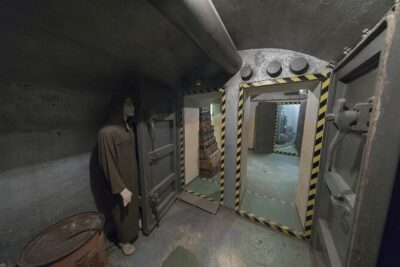
Prague Communism History and Nuclear Bunker Tour
Read our review →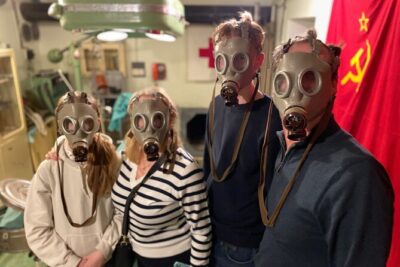
Communism & Nuclear Bunker Tour + 70s Canteen Lunch (own expense)
Read our review →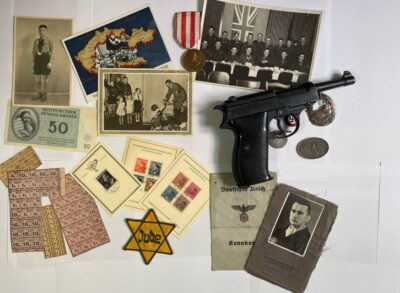
WWII Guided Tour & The Crypt of Operation Anthropoid
Read our review →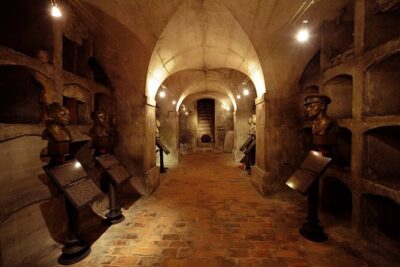
WWII in Prague Tour & The Crypt of Operation Anthropoid
Read our review →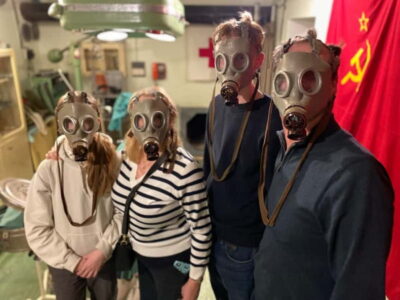
Communism and Bunker Tour with 70s Canteen Lunch
Read our review →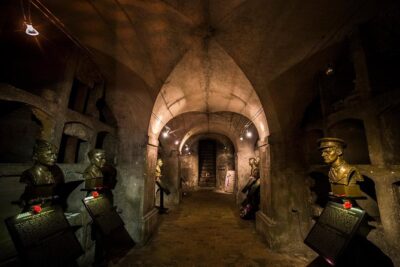
Small-Group World War 2 & Operation Anthropoid Tour in Prague
Read our review →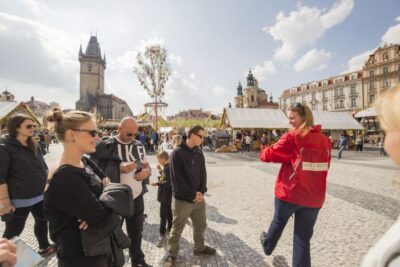
World War 2 and Operation Anthropoid Walking Tour
Read our review →Browse the lists this tour appears in