
REVIEW · COMMUNISM & WWII HISTORY TOURS
Communism and World War 2 Prague City Tour
Prague’s recent past is hiding in plain sight. This half-day e-bike tour links more than 30 sites tied to Nazi occupation, World War II, and communist rule, giving you a clear route through a difficult but important part of Czech history. I especially like the electric bicycles, which let you cover far more ground than a walking tour, and the strong focus on local stories, from the Velvet Revolution to the church connected with Operation Anthropoid.
The main trade-off is pace. In roughly three to three and a half hours, you see a lot, but individual stops may be brief. I also like that your ticket includes the Communism Museum and a Czech beer tasting, though you will need to return later if you want enough time to study the museum exhibits properly.
In This Review
- Key points at a glance
- Why this tour gives Prague a different shape
- Starting at Besední 2 in Malá Strana
- World War II sites and the church linked to Anthropoid
- Jewish Old Town and wartime memory
- Communism, protest, and the Velvet Revolution
- John Lennon Wall and the Kafka Museum area
- Six views that put the route in context
- The guide can make or break the history
- What the $78.09 price includes
- Who should book this e-bike history tour?
- Should you book it?
- FAQ
- Where does the Communism and World War II Prague City Tour start?
- Where does the tour finish?
- How long does the tour last?
- What start times are available?
- What is included in the price?
- Is hotel pickup included?
- What is the cancellation policy?
Key points at a glance
- More than 30 modern-history sites: See locations tied to World War II, Nazi rule, communism, and the Velvet Revolution.
- Six city viewpoints: The route includes several spots designed for broad Prague views and photographs.
- An e-bike makes the distance manageable: You can cover several miles without the strain of a standard bicycle.
- Michal has earned especially warm praise: He is described as an enthusiastic guide with strong knowledge of Prague, politics, World War II, and communism.
- Communism Museum entry is included: You can use the ticket during or after the tour, depending on the schedule.
- Beer tasting finishes the outing: A Czech beer and a bottle of water are included, with the tour ending back at Besední 2.
Why this tour gives Prague a different shape
Most first visits to Prague focus on the castle, Charles Bridge, Old Town Square, and the Astronomical Clock. Those places matter, but they can leave you with a picture of Prague frozen in medieval Europe.
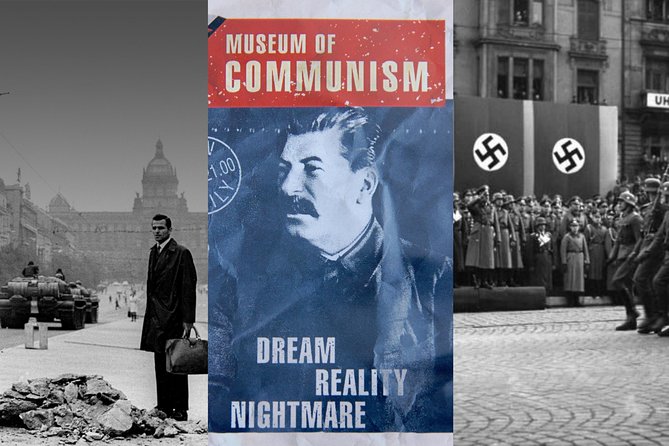
This tour shifts your attention to the 20th century. It explains how Prague changed under Fascist Nazi Germany from 1938 to 1945, then under Soviet-style communism from 1948 to 1989. Those periods shaped public buildings, memorials, churches, streets, political movements, and family memories across the city.
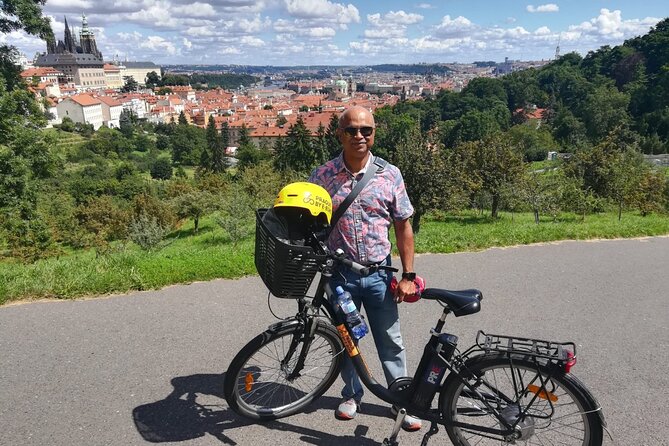
I find that an e-bike works well for this subject. You are not confined to one compact district, and you do not spend most of the afternoon walking between distant stops. The electric assistance also means you can pay attention to the guide instead of worrying about the next hill or the remaining distance.
The route is designed as an overview rather than a specialist seminar. You will hear the main events and see the places where they happened. If you already know a great deal about Czechoslovak politics, you may want more time at each location. For most people, though, the broad sweep gives Prague’s streets a stronger sense of meaning.
More communism and wartime history tours:
- Prague: Communism History and Nuclear Bunker Guided Tour
★ 4.7 · 2,417 reviews - Prague Communism History and Nuclear Bunker Tour
★ 5.0 · 1,742 reviews - Communism & Nuclear Bunker Tour + 70s Canteen Lunch (own expense)
★ 5.0 · 1,036 reviews
Starting at Besední 2 in Malá Strana
The meeting point is Prague by E-Bike Shop at Besední 440/2 in Malá Strana, Prague 1. The tour is offered at 10:00 and 14:00, with a private start time available by arrangement.
You receive the electric bicycle, helmet, and a free bottle of water before setting out. The bicycles are not just a novelty. Several people who took the tour specifically valued being able to cover several miles without tiring themselves out.
You should dress for the weather. The experience is outdoors for most of its duration, and the schedule does not suggest a long indoor portion before the museum visit. Children must be accompanied by an adult, and a maximum of 15 people can join, so the group should remain small enough for guide commentary at the stops.
Passport name, number, expiry date, and country are required for every participant at booking. Confirmation is sent within 48 hours, subject to availability. I would book ahead, since this experience is often reserved about 31 days before the chosen date.
World War II sites and the church linked to Anthropoid
One of the most meaningful stops is the Cyril and Methodius Church, associated with the film Anthropoid. The church became part of the story of the assassination of Reinhard Heydrich, a leading Nazi official in occupied Czechoslovakia, and the later resistance struggle.
The tour also points out World War II bombing locations and the former SS Headquarters. These stops help connect military occupation with ordinary city streets. Instead of treating the war as a distant chapter, you see where its power was exercised and where violence reached Prague.
The value here comes from the guide’s explanation. A building facade or street corner rarely tells you why it matters. A strong guide can add the political setting, explain the sequence of events, and show how the location fits into the wider story.
You should expect the tour to present many sites rather than offer an extended visit at each one. That is a fair exchange for the range covered, but I would make a note of the stops that interest you most. You can then return on your own if you want a closer look.
Jewish Old Town and wartime memory
The route includes Prague’s Jewish Old Town, another area where the 20th century left painful marks. The stop adds an important Jewish perspective to a tour that might otherwise focus mainly on political institutions, communist monuments, and resistance sites.
Because the tour covers both World War II and communism, the guide has to move between different kinds of memory. The Nazi period raises questions of occupation, persecution, and resistance. The communist period brings political control, censorship, public protest, and the gradual push toward change.
That contrast is useful. You begin to see that Prague’s modern history was not one single story. Different groups experienced the same decades in very different ways, and the city’s memorials reflect those layers.
The Jewish Old Town is also a reminder that sightseeing should not be reduced to attractive buildings and photographs. The city’s beauty sits beside evidence of fear, loss, and political pressure. This tour gives those harder subjects room without turning the entire outing into a lecture.
A few more trips of this kind worth comparing:
- Prague: Historic City Center Bus Tour with Top Sights
★ 4.4 · 2,360 reviews - Grand city tour on Scrooser in Prague
★ 5.0 · 1,910 reviews - Prague: City Highlights By Bus, Boat, and on Foot
★ 4.5 · 1,596 reviews - Prague: City Sightseeing HOHO Bus Tour & Optional Boat Tour
★ 3.9 · 1,424 reviews
Communism, protest, and the Velvet Revolution
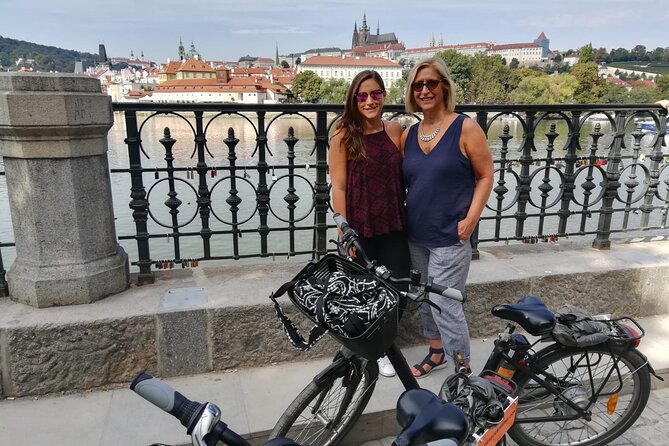
The tour’s communist section includes the Victims of Communism memorial and the birthplace of the Velvet Revolution. These locations help explain what communist rule meant in daily public life and how opposition eventually gathered strength.
The Velvet Revolution was the peaceful movement that brought the communist era to an end in 1989. Seeing a place linked with its beginning gives you a physical reference for a major turning point. It is easier to understand political change when you can connect it to a square, building, or street rather than only to a date in a book.
The Victims of Communism memorial offers a more solemn counterpoint. It focuses attention on the people affected by the regime rather than only on its leaders or official slogans.
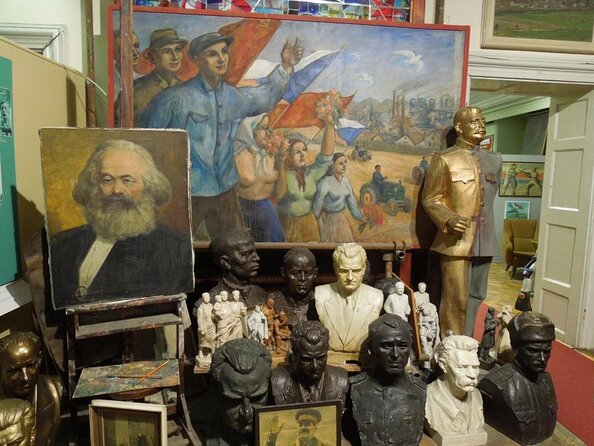
This is where the included Communism Museum becomes especially useful. The guide can give you the framework first, and the museum can add displays and objects afterward. I would not treat the museum ticket as a substitute for the guided portion. The museum is more valuable when you already understand the basic timeline and political setting.
The ticket is included in the price, but the stated tour length is only three to three and a half hours. Depending on the day’s timing, you may need to visit the museum after the bike ride rather than spend a long period inside during the tour.
John Lennon Wall and the Kafka Museum area
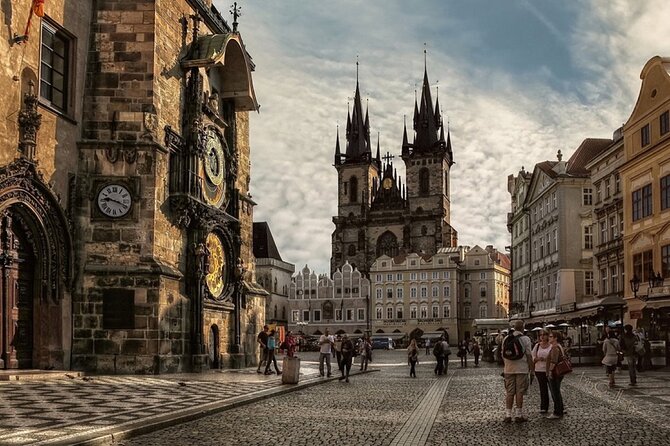
The John Lennon Wall is one of the lighter and more colorful stops on the route. Its graffiti and messages became associated with dissent and freedom during the communist period. Today, it is a popular photo stop, but the guide can explain why it mattered beyond its appearance.
I like the way this stop fits into the larger route. You move from formal memorials and wartime sites to a wall shaped by public expression. It shows that resistance did not always appear as an official speech or a dramatic uprising. Sometimes it appeared through music, writing, painted slogans, and small acts of defiance.
The route also includes the Kafka Museum. The tour is not described as a dedicated Franz Kafka visit, so you should not expect a full literary presentation. Instead, the stop gives you another point of contact with Prague’s cultural identity while the guide keeps the focus on the city’s modern political story.
These locations also add variety. A three-hour tour built only around memorials could feel heavy. The John Lennon Wall and Kafka Museum area bring in art, literature, and public culture without losing the main subject.
Six views that put the route in context
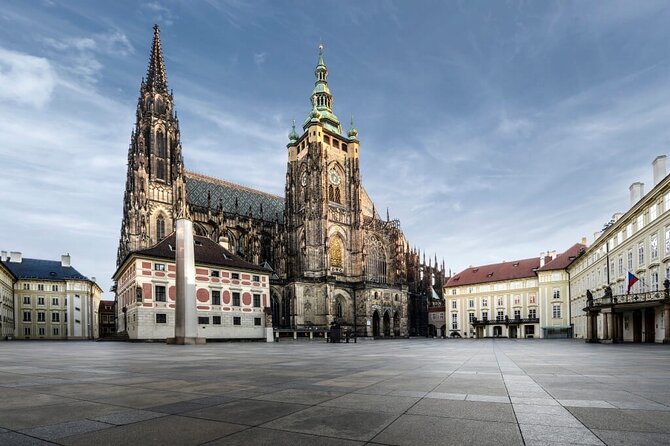
The experience promises six striking views of Prague, chosen for photographs and a wider sense of the city. These viewpoints are more than pauses for pictures.
From above or across the river, you can see how Prague’s districts fit together. That matters because the tour moves through places that may seem separate when you encounter them one at a time. The views help you understand the city as a connected setting for occupation, protest, government, and daily life.
Bring a camera or keep your phone ready, but do not let the photo stops take over. The strongest value comes from listening to what the guide says about the city beneath you. A good viewpoint can show where the old center ends, where the river divides neighborhoods, and how political monuments sit within ordinary urban life.
The route’s photo opportunities are also a practical benefit for anyone with limited time in Prague. You see major historical sites and collect broad city views in one outing, rather than arranging separate sightseeing trips.
The guide can make or break the history
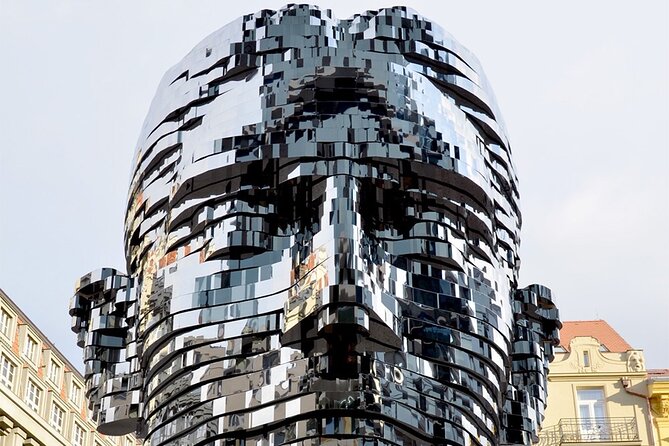
The most strongly praised guide is Michal. He is described as enthusiastic, friendly, and able to answer questions about Prague, World War II, communism, and Czech politics. One account also notes that he is studying politics at a top Prague university, which fits the tour’s subject well.
That personal element matters. Political history can become a string of dates and names if it is delivered without explanation. Michal’s reported approach appears to connect events with places and invite questions, making the tour feel like a conversation rather than a recited script.
You should still remember that guide quality can vary from one departure to another. The available praise is especially specific to Michal, so if choosing a private time is possible, you might ask whether he is leading your departure.
The group limit is 15 people. That is not a private tour, but it is more workable than a large coach group. The guide can stop, speak, and respond to questions without addressing a crowd spread across a wide area.
What the $78.09 price includes
At $78.09 per person, the price is easiest to judge as a package. You receive the e-bike, helmet, water, professional guide, entry to the Communism Museum, and beer tasting with an alcoholic beverage.
The e-bike is the main value item. If you tried to cover the same ground on foot, you would spend more time moving and less time seeing. A regular bike could reduce the cost, but the electric assistance makes the outing more accessible to people who are comfortable cycling yet do not want a physically demanding ride.
The museum entry adds value, especially if you plan to visit it after the tour. The beer tasting is a pleasant finish, though it should be viewed as a small extra rather than the reason to book.
Hotel pickup and drop-off are not included. You need to reach Besední 2 yourself, and the tour returns there at the end. Since the meeting point is in Prague 1 and near public transportation, this is a manageable arrangement, but allow time to arrive before the 10:00 or 14:00 start.
Free cancellation is available up to 24 hours before the start time for a full refund. Changes or cancellations inside that window are not accepted and are not refunded.
Who should book this e-bike history tour?
I would choose this experience if you want a strong first look at Prague’s 20th-century story and prefer seeing a city in motion. It suits couples, friends, and families with older children who can cycle and who want more than the usual medieval sights.
It is also a good fit if your walking energy is limited. The e-bike reduces the effort while keeping you outdoors and close to the streets. You still need to be comfortable on a bicycle, follow the guide, and dress for changing weather.
You might choose another format if you want long museum visits, detailed military history, or a slow walking tour with extended time at each memorial. The route covers more than 30 sites, so its strength is range and connection, not exhaustive study.
Should you book it?
Book this tour if you want to understand how Nazi occupation, World War II, communism, and the Velvet Revolution shaped Prague. The e-bike lets you see a wide section of the city, while the guide adds the facts and human context that can be easy to miss when you explore alone.
The best reasons to book are the broad route, the six viewpoints, the included museum entry, and the chance to ask questions. Just keep your expectations realistic: three to three and a half hours means a brisk overview, not a full-day history course. If that balance suits you, this is a well-priced way to see Prague’s recent past and still have time left for the city’s older monuments, cafés, and riverfront.
FAQ
Where does the Communism and World War II Prague City Tour start?
It starts at Prague by E-Bike Shop, Besední 440/2, Malá Strana, Prague 1, Czechia.
Where does the tour finish?
The activity ends back at the meeting point on Besední.
How long does the tour last?
The tour lasts about three to three and a half hours, with the general duration listed as approximately three to four hours.
What start times are available?
Regular departure times are 10:00 and 14:00. You can also reserve your own time.
What is included in the price?
The price includes an electric bicycle, helmet, bottled water, professional guide, Communism Museum entry, beer tasting, and an alcoholic beverage.
Is hotel pickup included?
No. Hotel pickup and drop-off are not included, so you need to reach the meeting point yourself.
What is the cancellation policy?
You can cancel at least 24 hours before the start time for a full refund. Cancellations or changes made less than 24 hours before the start time are not accepted and are not refunded.
Just added around Prague
- Private Day trip from Prague to Kutná Hora★ 5.0 · 3 reviews
- PRAGUE AIRSOFT SHOOTING GAMES★ 4.7 · 3 reviews
- Private 4-hour City Tour of Prague with driver & official guide w/ Hotel pick up★ 5.0 · 3 reviews
- Glass blowing in Prague★ 4.6 · 3 reviews
- Prague to Karlovy Vary Private Transfer★ 4.5 · 3 reviews
- Disney’s Tarzan Musical★ 5.0 · 3 reviews
- Prague Private Tour★ 5.0 · 3 reviews
- Private Bohemian Glass and Czech Crystal Tour with lunch included★ 5.0 · 3 reviews
Communism & WWII History Tours, compared.

Communism History and Nuclear Bunker Guided Tour
Read our review →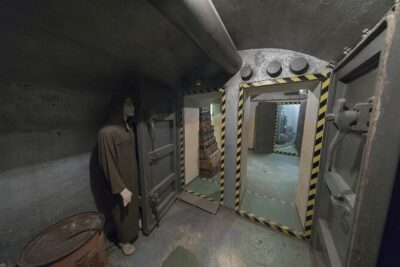
Prague Communism History and Nuclear Bunker Tour
Read our review →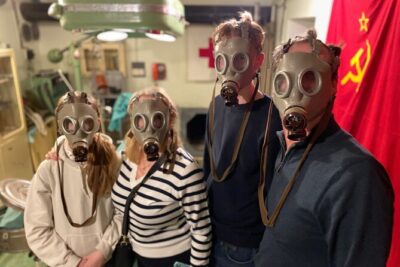
Communism & Nuclear Bunker Tour + 70s Canteen Lunch (own expense)
Read our review →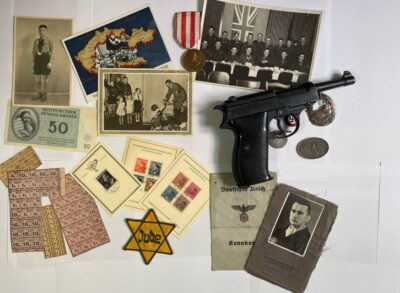
WWII Guided Tour & The Crypt of Operation Anthropoid
Read our review →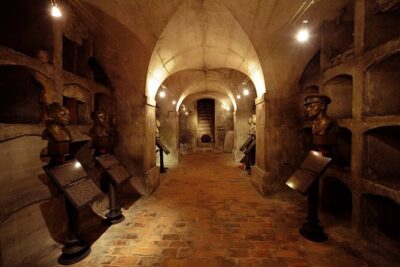
WWII in Prague Tour & The Crypt of Operation Anthropoid
Read our review →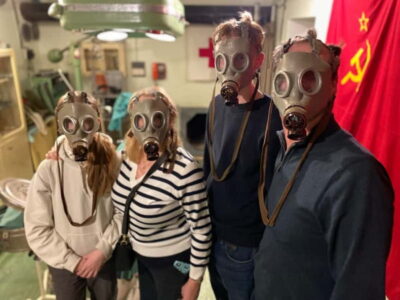
Communism and Bunker Tour with 70s Canteen Lunch
Read our review →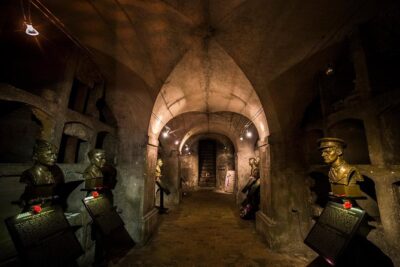
Small-Group World War 2 & Operation Anthropoid Tour in Prague
Read our review →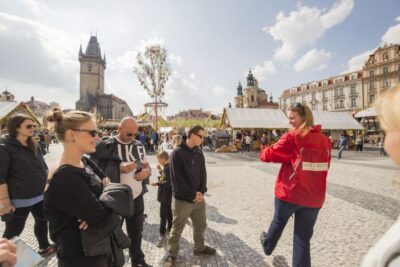
World War 2 and Operation Anthropoid Walking Tour
Read our review →Browse the lists this tour appears in