
REVIEW · HISTORICAL TOURS
The Ultimate Prague History Tour
Prague rewards curious walkers. This private seven-hour outing links quiet lanes, grand churches, political landmarks, and lesser-known corners while guide Günther explains how religion, art, power, and Czech identity shaped the city. I especially like the peaceful New World approach to Prague Castle and the freedom to adjust the day around your interests. The main caution is simple: this is a long walking day, and several attraction fees are extra.
I also like the way the route avoids making Prague a parade of postcard stops. You may cross the river on Legions’ Bridge instead of fighting across Charles Bridge, and you may finish with coffee in the Municipal House if time allows. The drawback is its history-heavy focus, especially on medieval through 19th-century Prague, so you should tell Günther early if you want more attention on the 20th century.
In This Review
- Key points to know before booking
- Why this private Prague tour feels different
- Novy Svet: the smart way to approach Prague Castle
- Loreta’s church, treasury, and powerful legends
- Prague Castle and the Gothic story
- Nerudova and the quieter turn toward St. John’s Hill
- Lesser Town Square and Prague’s religious conflicts
- Malta Square, Lennon Wall, and Kampa Island
- Museum Kampa and František Kupka
- Legions’ Bridge and the National Theatre
- Old Town beyond the standard postcard stops
- Municipal House and the Art Nouveau finale
- Price, pace, and what you receive
- The guide’s greatest strength: flexibility and practical help
- Who should book this Prague history day
- Should you book the Ultimate Prague History Tour?
- FAQ
- Where does the Ultimate Prague History Tour take place?
- How long does the tour last?
- Is this a private tour?
- Is pickup available?
- Is the tour offered in English?
- What is included in the price?
- Are admission tickets included?
- How physically demanding is the tour?
- What is the cancellation policy?
Key points to know before booking
- A private route with room to adapt: Only your group takes part, and the day can change according to your interests, pace, and what you have already seen.
- A quieter approach to Prague Castle: The tour begins at Novy Svet, a picturesque quarter beyond the Castle that usually feels far removed from the main crowds.
- Religion and politics are tied together: Loreta, St. Vitus Cathedral, Lesser Town, and the National Theatre all help explain how faith and national identity shaped Prague.
- Seven hours means serious walking: Bring comfortable shoes and expect public transportation to be mixed with long stretches on foot.
- Several admissions cost extra: Loreta and Museum Kampa are not included, and the French Embassy visit requires a prior request if it is possible.
- A guide who does more than recite dates: Günther is praised for clear explanations, flexible planning, language skills, and practical help when problems arise.
Why this private Prague tour feels different
Many city tours rush from one famous building to the next. This one tries to explain how Prague grew, why its buildings look the way they do, and how religion and politics affected ordinary streets.
That approach suits you if you want more than a quick introduction. Günther focuses on connections. Gothic architecture is tied to political ambition and religious meaning. The Baroque churches of Lesser Town are tied to religious upheaval. The National Theatre is tied to the Czech fight for independence. Even the Municipal House becomes a way to understand Art Nouveau rather than simply a pretty place for a photograph.
The private format matters here. You are not locked into a fixed group pace or a script designed for the broadest possible audience. If you have already seen Charles Bridge, Günther can spend more time in Old Town’s less familiar corners. If architecture catches your attention, he can give more time to the development of the Gothic style. If your energy fades, the route can be adjusted.
The guide has also earned praise for practical care. He has helped with pharmacies, police reports, embassy visits, restaurants, public transportation, and basic translation. That does not replace travel insurance or common sense, but it can be a real comfort in a foreign city.
More history tours:
- Prague: Oldtown, Medieval Underground & Dungeon History Tour
★ 4.2 · 8,244 reviews - Prague Old Town, Medieval Underground and Dungeon Historical Tour
★ 4.5 · 3,227 reviews - Prague: Communism History and Nuclear Bunker Guided Tour
★ 4.7 · 2,417 reviews
Novy Svet: the smart way to approach Prague Castle
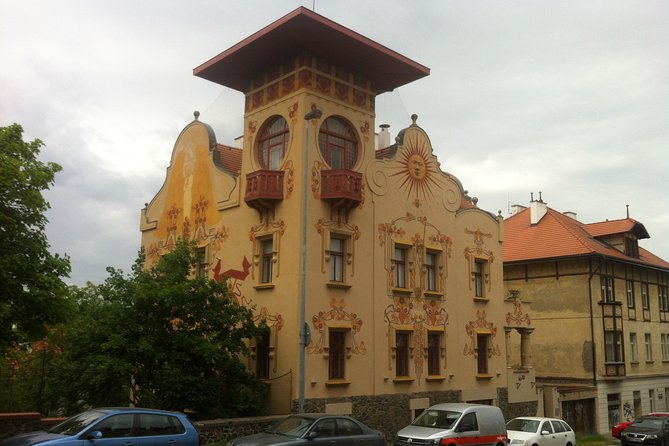
The tour begins, in effect, by avoiding the obvious approach. Instead of getting off near the busiest Castle entrance, you take the tram to a stop beyond the Castle and walk through Novy Svet, or New World.
This small quarter is known for picturesque streets and a quieter mood. The 30-minute walk gives you a gentler introduction to Prague than starting in a packed courtyard. It also lets Günther begin with the city’s older residential fabric rather than a quick list of royal facts.
I like this choice because it sets the tone for the whole day. You are not simply collecting major sights. You are seeing how a historic city is made up of intimate lanes as well as grand monuments.
Admission is free. The route does require walking on streets and uphill sections, so sturdy shoes matter from the first half hour.
Loreta’s church, treasury, and powerful legends
Loreta Praha receives about an hour. This monastery-like sanctuary is one of the city’s most attractive religious sites, with a striking church and a treasury.
The attraction here is not just decoration. Loreta gives the tour a chance to explain Catholic devotion, religious art, and the legends that grew around sacred places. The description of the experience also points to recent research supporting parts of Loreta’s traditional story, giving Günther material to separate established fact from later belief.
Admission is not included, so check the current entry cost when you book. You should also ask how much of the hour will be spent inside and how much will be devoted to explanation around the site.
This is a good stop for you if churches, religious history, and symbolism hold your attention. If you prefer modern Prague or political history after 1900, tell Günther at the beginning so he can balance the day.
Prague Castle and the Gothic story
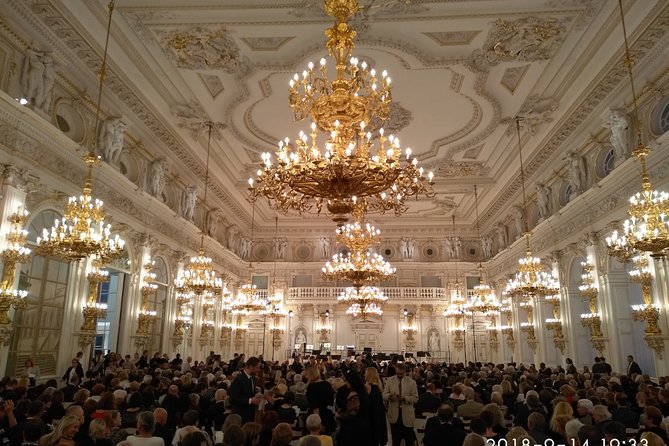
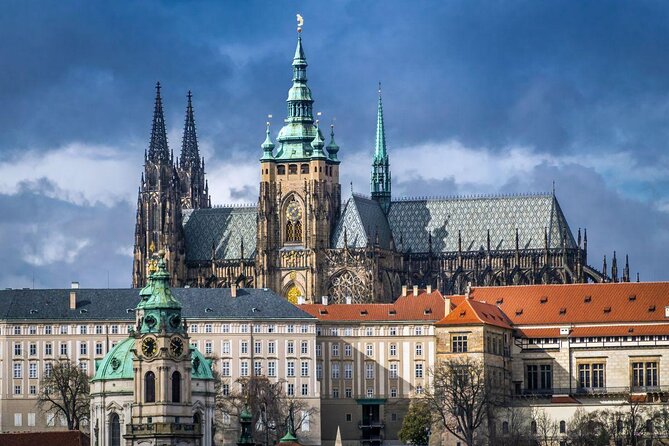
Prague Castle receives roughly 90 minutes. It is the city’s major attraction, and crowds can be heavy. The plan allows Günther to decide on the spot whether walking through the busiest parts makes sense.
That flexibility is useful. A private guide can judge the conditions instead of pretending that every stop works equally well at every hour. If the Castle is packed, you may get more from an explanation of the setting and cathedral than from being pushed through a crowd.
St. Vitus Cathedral is the key focus. Its location has religious and political meaning, and Günther gives particular attention to the origins of Gothic architecture. This is one of the tour’s strongest subjects because it connects design with the ambitions of medieval rulers and church leaders.
The route information lists no separate admission ticket for this stop, but you should confirm exactly what access is included on your date. The plan may be to walk through selected areas rather than cover every paid interior.
Prague Castle can become a tiring stop if you try to absorb every chapel, courtyard, and historical name. I would treat the 90 minutes as a guided framework, not a full Castle visit. If you want extensive interior time, you may need a separate visit.
A completely different kind of day out in Prague:
- Prague: 50-Minute Sightseeing Evening Cruise
★ 4.2 · 33,780 reviews - Prague: Medieval Dinner with Unlimited Drinks
★ 4.4 · 19,847 reviews - Prague: Castle Tour with Local Guide and Entry Ticket
★ 4.6 · 10,422 reviews - Prague Castle 2.5-Hour Tour Including Admission Ticket
★ 4.7 · 8,927 reviews
Nerudova and the quieter turn toward St. John’s Hill
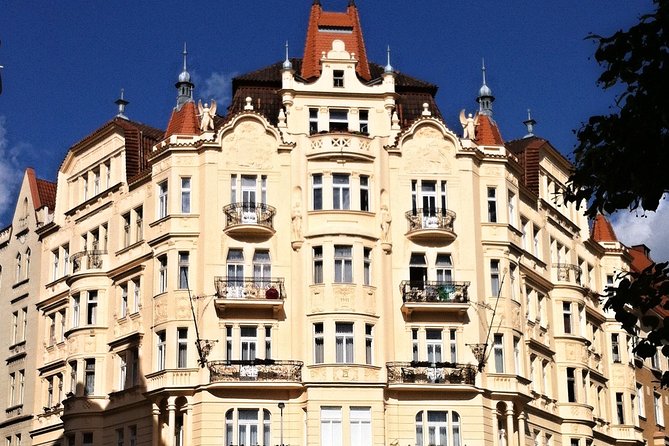
From the Castle, the tour moves toward Nerudova, one of Prague’s prettiest and most tourist-filled streets. The street is lined with historic buildings and attractive façades, but it can feel crowded and commercial.
The route soon turns toward St. John’s Hill, a quieter neighborhood associated with Italian artists. That turn is important. You get the visual pleasure of Nerudova without spending the entire walk in its busiest stretch.
Günther uses the neighborhood to connect art, religion, and politics. The Italian connection gives the discussion a human scale. Instead of treating Prague’s architecture as something that appeared by magic, you hear about the people and movements that helped shape it.
The stop lasts about an hour, and admission is not included. Since much of this part is an outdoor walk, the main cost is time and energy rather than an entrance ticket.
Lesser Town Square and Prague’s religious conflicts
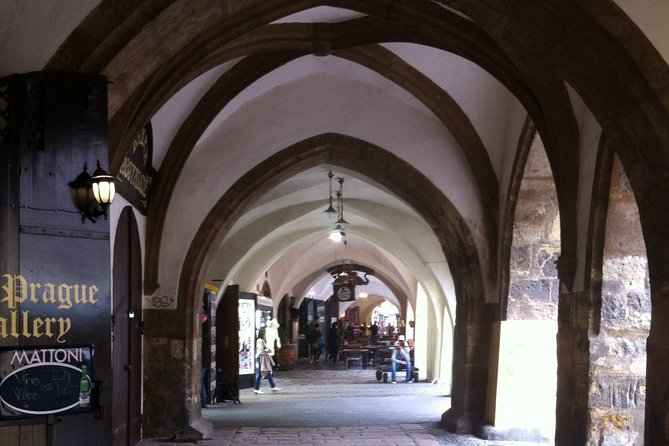
Malostranské náměstí is the center of Lesser Town. Allow about 30 minutes for its architecture, stories, Baroque grandeur, and episodes of religious upheaval.
This is one of the places where the tour’s wider method pays off. You are not only looking at ornate buildings. You are learning how changing religious forces affected public space, architecture, and political life.
The square also brings espionage stories from the First World War into the day. That detail helps prevent the tour from becoming trapped in medieval Prague. It gives you a glimpse of the city as a place where international politics and secret activity mattered too.
Admission is free. The square itself is compact, but the surrounding architecture rewards a slower pace. Keep your eyes on the upper façades, not just the street-level shops.
Malta Square, Lennon Wall, and Kampa Island
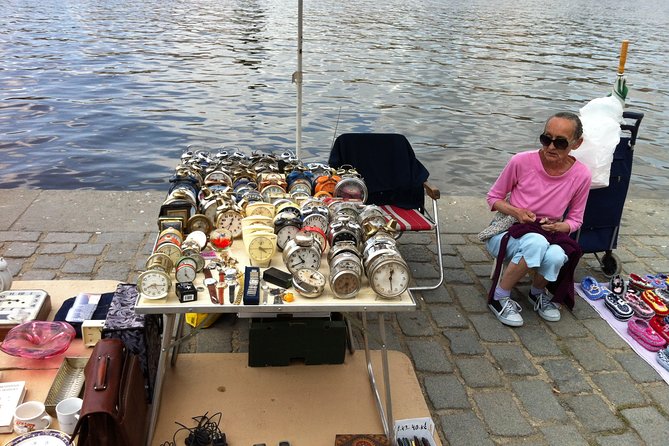
The walk continues toward the Vltava River and Maltese Square. Here you see the church and embassy of the Knights of Malta, along with the palace of the French Embassy.
A visit to the French Embassy may be possible with a prior request, but it is not guaranteed. Treat that as an optional addition rather than a promised feature.
The route then reaches the Lennon Wall and Kampa Island. The wall is described as only a remnant of what it once was, which is a useful warning. You may find it interesting as a symbol of Prague’s modern protest culture, but do not expect an untouched counterculture landmark.
Kampa offers a different mood. It is a green island setting with several attractions, and the 30-minute section gives the route some breathing room after the more concentrated architecture of Lesser Town.
This is a good point to tell Günther if you want more contemporary culture. The tour naturally leans toward older history, but the Lennon Wall and Kampa provide openings for a broader discussion.
Museum Kampa and František Kupka
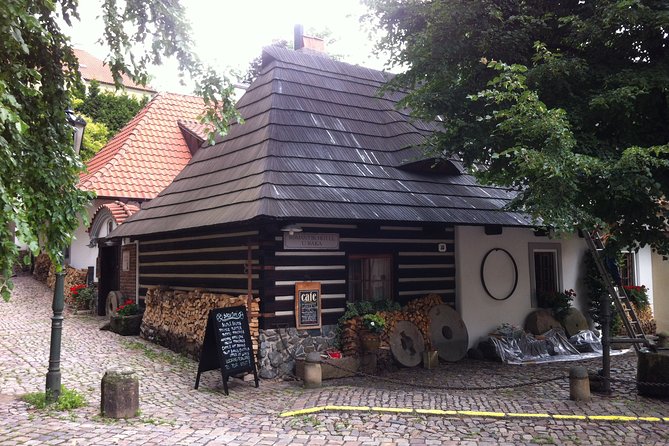
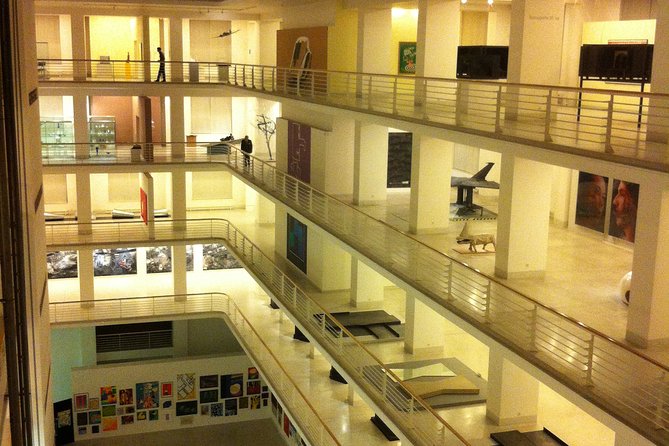
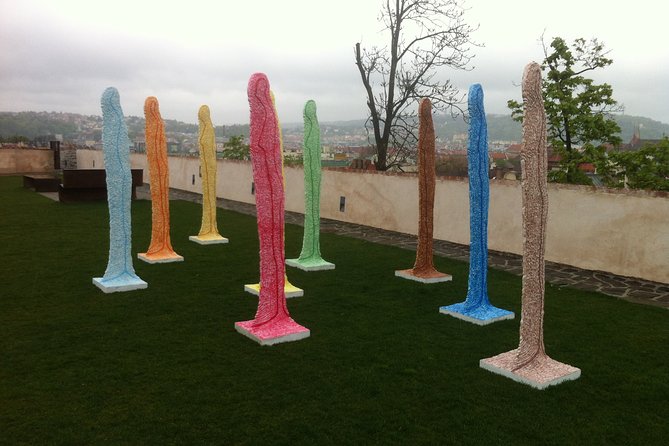
Museum Kampa occupies a former mill and houses a major collection of works by František Kupka, one of the pioneers of abstract painting. The planned visit lasts about 30 minutes.
Kupka is an important reason to include the museum. His work gives you a way to move from Prague’s medieval churches and Baroque streets into modern art. The museum also connects to the story of the woman who helped establish it, a figure Günther considers important in Prague’s recent cultural life.
Admission is not included. Thirty minutes is enough for a focused introduction, but it is not enough for a full museum visit if you want to examine every gallery. You may want to clarify the plan before entering, especially if modern art is a priority.
I like this stop because it keeps the day from becoming one long procession of old buildings. It also shows that Prague’s artistic identity did not end with Gothic and Baroque architecture.
Legions’ Bridge and the National Theatre
If Charles Bridge is too crowded, the route crosses the Vltava on Most Legií, or Legions’ Bridge. This is a practical choice and a useful history lesson.
The bridge leads toward Old Town and the National Theatre. The theatre played an important role in the Czech struggle for independence during the 19th century, so Günther gives it a detailed introduction.
That context is valuable because national identity in Prague is not just a modern political subject. It is written into public buildings, cultural institutions, and the language of the city. The National Theatre helps explain how art and performance could serve a national cause.
The stop lasts about 30 minutes and has no separate admission listed. Crossing the river also gives you a different perspective on Prague’s relationship with the Vltava without forcing you into the busiest pedestrian route.
Old Town beyond the standard postcard stops
The Old Town section is intentionally flexible. Günther walks back and forth through the area according to what you have already seen, favoring less familiar attractions when possible.
The main lesson is how medieval villages developed into cities over roughly 1,000 years. You look for signs of that growth in the street plan, buildings, and surviving fragments of older Prague.
This part may be the least predictable, but that is also its strength. A fixed route can waste time showing you sights you already visited that morning. A private guide can redirect attention to details you would otherwise pass.
You should be ready for more walking here. The experience is primarily on foot, with some public transportation, and one past description called it intensive. Comfortable shoes are not optional if you want to enjoy the final hours.
Municipal House and the Art Nouveau finale
If there is enough time, the tour ends at Prague’s Municipal House with coffee. The building is widely regarded as the city’s finest Art Nouveau structure and includes a concert hall, exhibition space, restaurants, and an ornate café.
The coffee stop is not just a break. Günther uses the building to explain the development of Art Nouveau, giving the day a final change of style. After Gothic, Baroque, and modern abstract art, the Municipal House shows Prague at another important artistic moment.
Coffee is not listed as included, and dinner is specifically excluded. You should plan your evening meal separately.
This ending works best if you value conversation and interpretation more than squeezing in one last major monument. After seven hours, sitting down can also be a sensible act of self-preservation.
Price, pace, and what you receive
At $216.25 per person, this is not a budget walking tour. The value depends heavily on group size and your interest in serious interpretation.
For a private group, the price buys flexibility rather than a long list of inclusions. You receive personal pickup within the defined area, bottled water, a private guide, route changes based on your interests, and the ability to avoid crowds when conditions allow. Group discounts are offered, so the cost may make more sense when divided among several people.
The price does not include dinner, and admission fees are extra at Loreta and Museum Kampa. The French Embassy visit, if possible, requires a prior request. Ask about expected admissions before booking so the final cost does not surprise you.
The tour is booked an average of 87 days ahead, which suggests you should plan early if Günther’s availability matters to you. Operating hours are listed as 10:00 a.m. to 5:00 p.m., daily, for the stated operating period.
You need moderate physical fitness. This is not a bus-based sightseeing day, and the route includes hills, bridges, uneven city walking, and several hours on your feet. Service animals are allowed, and the route is near public transportation.
The guide’s greatest strength: flexibility and practical help
The strongest praise centers on Günther’s ability to adjust. He speaks five languages fluently, including English, Italian, German, and Czech, along with another language, according to the information provided.
His role also extends beyond formal commentary. He has helped with illness, found pharmacies and soup, communicated with pharmacists, assisted with police and embassy procedures after a wallet theft, carried bags, and checked that people reached their hotel safely.
Those details matter because a private guide can affect your entire stay, not only one day. Günther also offers suggestions for food, restaurants, shops, and places to visit later, without receiving payment from those businesses according to the information provided.
The balance is that his strength is interpretation, not entertainment in the fast-moving, joke-every-minute sense. If you want a light overview with few dates and little walking, this may feel too intense.
Who should book this Prague history day
I would choose this tour if you want Prague explained through architecture, religion, politics, art, and national identity. It is especially well suited to first-time visitors who want a strong orientation, as well as repeat visitors who have already checked off Charles Bridge and the Astronomical Clock.
It also suits you if personal attention matters. The route can respond to your questions, mobility, interests, and energy. Families or mixed-interest groups may benefit from that flexibility, though the walking demand should be discussed in advance.
I would be more cautious if your main interest is 20th-century Prague. One piece of feedback specifically found the emphasis too focused on the 12th through 18th centuries. Günther can adjust, but you need to state your priorities clearly.
Free cancellation is available up to 24 hours before the start time. Cancellations or changes made less than 24 hours ahead are not refunded or accepted, and poor weather can lead to a new date or full refund.
Should you book the Ultimate Prague History Tour?
Book it if you want a serious, personal introduction to Prague and are happy to walk for most of a day. The best parts are the quiet approach through Novy Svet, the explanations at the Castle and National Theatre, the flexible Old Town route, and Günther’s care when plans go wrong.
Skip it if you want a cheap group tour, a relaxed ride between sights, or a visit built mainly around modern history. For everyone else, this offers a thoughtful way to understand why Prague looks and feels the way it does, with enough flexibility to keep the day from becoming a march through crowded landmarks.
FAQ
Where does the Ultimate Prague History Tour take place?
The experience takes place in Prague, Czech Republic. It includes Prague Castle, Lesser Town, Kampa, Legions’ Bridge, Old Town, and the Municipal House if time allows.
How long does the tour last?
The tour lasts approximately seven hours.
Is this a private tour?
Yes. Only your group participates in the activity.
Is pickup available?
Yes. Günther offers personal pickup anywhere within the defined pickup area.
Is the tour offered in English?
Yes. English is one of the offered languages.
What is included in the price?
Bottled water is included. Dinner and certain attraction admissions are not included.
Are admission tickets included?
Admission is not included for Loreta or Museum Kampa. The Prague Castle section lists no separate admission ticket, but the exact access should be confirmed for your date.
How physically demanding is the tour?
You should have a moderate fitness level. The experience is primarily a walking tour with some public transportation.
What is the cancellation policy?
You can cancel at least 24 hours before the start time for a full refund. Cancellations or changes made less than 24 hours before the start time are not accepted or refunded. If poor weather causes the tour to be canceled, you will be offered another date or a full refund.
Just added around Prague
- Private Day trip from Prague to Kutná Hora★ 5.0 · 3 reviews
- Private 4-hour City Tour of Prague with driver & official guide w/ Hotel pick up★ 5.0 · 3 reviews
- PRAGUE AIRSOFT SHOOTING GAMES★ 4.7 · 3 reviews
- Glass blowing in Prague★ 4.6 · 3 reviews
- Prague to Karlovy Vary Private Transfer★ 4.5 · 3 reviews
- Disney’s Tarzan Musical★ 5.0 · 3 reviews
- Prague Private Tour★ 5.0 · 3 reviews
- Private Bohemian Glass and Czech Crystal Tour with lunch included★ 5.0 · 3 reviews
Historical Tours, compared.
Oldtown, Medieval Underground & Dungeon History Tour
Read our review →
Prague Old Town, Medieval Underground and Dungeon Historical Tour
Read our review →
Communism History and Nuclear Bunker Guided Tour
Read our review →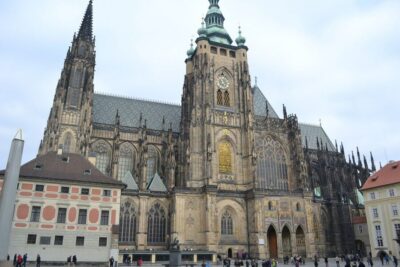
Historic City Center Bus Tour with Top Sights
Read our review →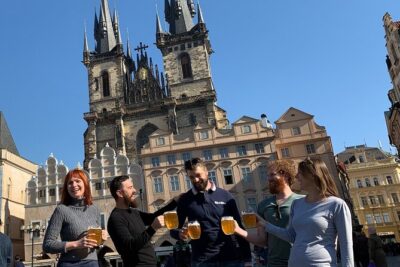
Prague Historic Pub Tour with Drinks Included
Read our review →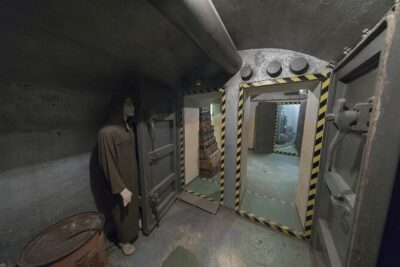
Prague Communism History and Nuclear Bunker Tour
Read our review →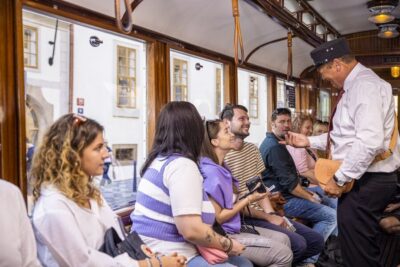
Hop-on Hop-Off Historical Tram Ticket for Line 42
Read our review →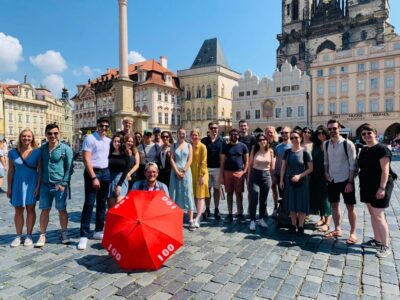
Top Sights and Historic Center Introduction Tour
Read our review →Browse the lists this tour appears in