REVIEW · GUIDED
Prague: Modern Architecture and Design Guided Tour
Prague has a modern side worth hunting down. This two-hour walk visits 10 points tied to the city’s 20th- and 21st-century growth, and I like its focus on socialist realism and brutalism, styles many visitors miss while admiring the old town. I also like the attention given to public art installations, including works you could easily pass without noticing.
The tour costs $35 per person and includes an English-speaking live guide. That is fair value if you want context rather than a quick photo walk. The main consideration is that it may not provide a tidy, textbook survey of Prague’s design history. One recent participant found the route personal and informative, but not a systematic review of architectural styles.
In This Review
- Key points at a glance
- Why modern Prague deserves two hours
- The first stops: finding Prague beyond the postcard
- Socialist realism and the politics of public design
- Brutalism without the usual quick judgment
- Experimental installations and art you might miss
- What the guide adds to the walk
- Ten stops, one compact story of urban change
- Is $35 good value for Prague?
- Timing, comfort, and practical planning
- Who will enjoy this modern architecture tour?
- Should you book the Prague modern architecture tour?
- FAQ
- How long does the Prague modern architecture tour last?
- What language is the tour offered in?
- How much does the tour cost?
- Is the tour wheelchair accessible?
- Are food and drinks included?
- Can I cancel the booking for a refund?
Key points at a glance
- Ten modern landmarks in two hours: The route gives you a compact introduction to Prague’s newer buildings, public spaces, and design ideas.
- Socialist realism and brutalism: You look beyond Prague’s famous medieval and Baroque buildings to examine architecture shaped by the 20th century.
- Public art that is easy to miss: The tour can draw your attention to installations and explain the artists behind them.
- A personal guiding style: Guide Michael has been praised for answering questions and offering extra Prague tips after the walk.
- Small groups may be possible: Some departures have been intimate, including one private-feeling experience and one with only three people.
- Flexible booking: You can cancel up to 24 hours before the tour for a full refund, and reserve now while paying later.
Why modern Prague deserves two hours
Prague is famous for Gothic towers, ornate facades, and cobbled lanes. That familiar picture is accurate, but incomplete. The city also tells a story through office blocks, civic buildings, housing projects, sculptures, installations, and experimental design from the last century and today.
This tour is built around that less obvious Prague. Instead of treating modern architecture as a footnote between old churches, it gives the subject its own two-hour route. You get 10 points of interest, each used to explain how the city changed as ideas about government, industry, public space, and urban living changed.
I like this approach because it gives you a better sense of Prague as a living city. The historic center can feel almost perfectly preserved, while modern structures reveal the pressures and ambitions of later generations. You are not only looking at what a building looks like. You are also considering why it was built and what kind of city its designers imagined.
The route should suit you if you enjoy asking questions about cities. It is less useful if you only want the most beautiful facades or a standard list of famous sights. Some buildings may appeal more for their stories and design choices than for their appearance.
A few more trips of this kind worth comparing:
- Prague: Castle Tour with Local Guide and Entry Ticket
★ 4.6 · 10,422 reviews - Prague: Klementinum Library & Astronomical Tower Guided Tour
★ 4.5 · 5,050 reviews - Prague Guided Walking Tour and Cruise with Authentic Czech Lunch
★ 5.0 · 3,627 reviews
The first stops: finding Prague beyond the postcard
The tour introduces iconic places that help define Prague’s modern identity, though the supplied details do not name each building or give a fixed stop-by-stop address list. That matters when planning your day. You know the tour covers 10 points, but you should check the current meeting place and route when selecting a departure.
At the opening stops, your guide sets up the central idea: Prague’s architectural character did not end with the older city. Modern buildings and installations became part of its daily life, often beside streets and districts already associated with earlier periods.
This contrast is one of the best reasons to take the tour. You might arrive expecting a parade of striking structures, but the stronger experience is learning to compare periods. A plain-looking building can make more sense once you know the social purpose behind it. A sculpture can become more interesting once you understand the artist’s intention.
The route is also a useful correction to the habit of judging architecture only by beauty. One participant noted that the buildings discussed were not always the most attractive in Prague, but each had an interesting story. I consider that a strength, provided you want interpretation rather than a greatest-hits collection.
Socialist realism and the politics of public design
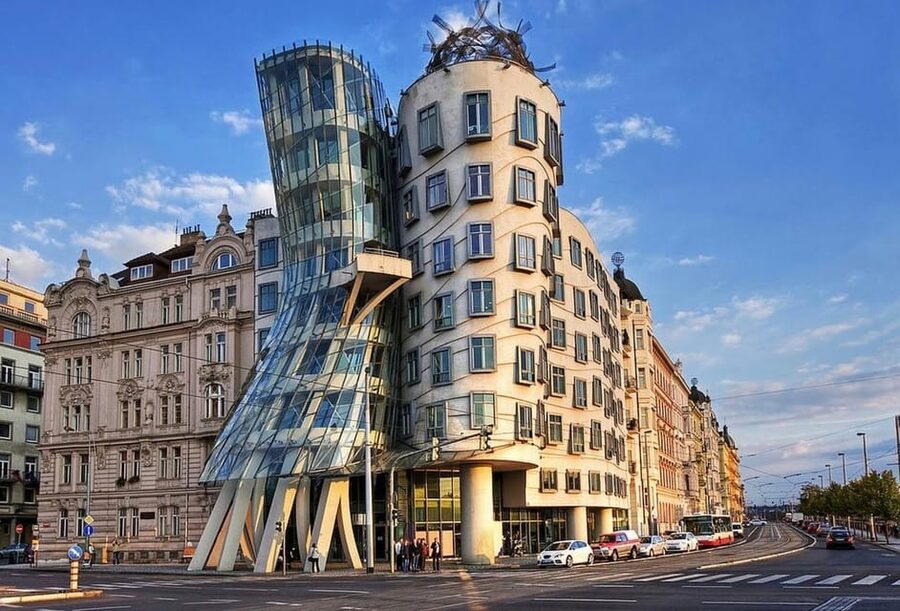
Socialist realism gives the tour an important historical layer. This style was linked to official ideas about society and public life, so the buildings and public spaces can tell you more than a design textbook would. They reflect the period’s visual language and the way architecture was expected to serve a wider political message.
Your guide explains the design principles and cultural influences behind this period rather than simply labeling a building. That distinction matters. A short label can tell you what style you are seeing, but a live guide can connect that style to changing ideas about work, housing, civic life, and the role of public buildings.
The drawback is that the available tour information does not identify the exact socialist realist stops. You should not book expecting a named list of famous structures in advance. The appeal is the guided interpretation of selected sites, not a guaranteed visit to every major modern building in Prague.
I would pay close attention here if you are interested in how governments use architecture to shape public experience. You may also find this section useful if you have already seen Prague’s old center and want a stronger connection between the city’s 20th-century past and its present-day appearance.
Brutalism without the usual quick judgment
Brutalist architecture often divides opinion. Its heavy forms, raw materials, and strong geometric shapes can look severe, especially beside Prague’s decorative older buildings. This tour gives you a chance to consider the style on its own terms rather than dismissing it after a single glance.
The guide discusses the ideas behind modern urban living and shows how brutalist design became part of Prague’s development. You can listen for practical questions: How does a building meet the street? What does its scale do to a public space? Which details were meant to be useful, and which were meant to make a statement?
That way of looking can change your response. You may still dislike a structure, but you will understand why it exists and what its designers were attempting. I find that more valuable than being told that every building is an overlooked masterpiece.
The two-hour limit also helps keep this section focused. You get an introduction rather than a full academic course. If brutalism is your main interest, you may want to note the buildings and continue exploring on your own afterward. The tour gives you a framework, not an exhaustive architectural survey.
A completely different kind of day out in Prague:
- Prague: 50-Minute Sightseeing Evening Cruise
★ 4.2 · 33,780 reviews - Prague: Medieval Dinner with Unlimited Drinks
★ 4.4 · 19,847 reviews - Prague Castle 2.5-Hour Tour Including Admission Ticket
★ 4.7 · 8,927 reviews - Prague: Oldtown, Medieval Underground & Dungeon History Tour
★ 4.2 · 8,244 reviews
Experimental installations and art you might miss
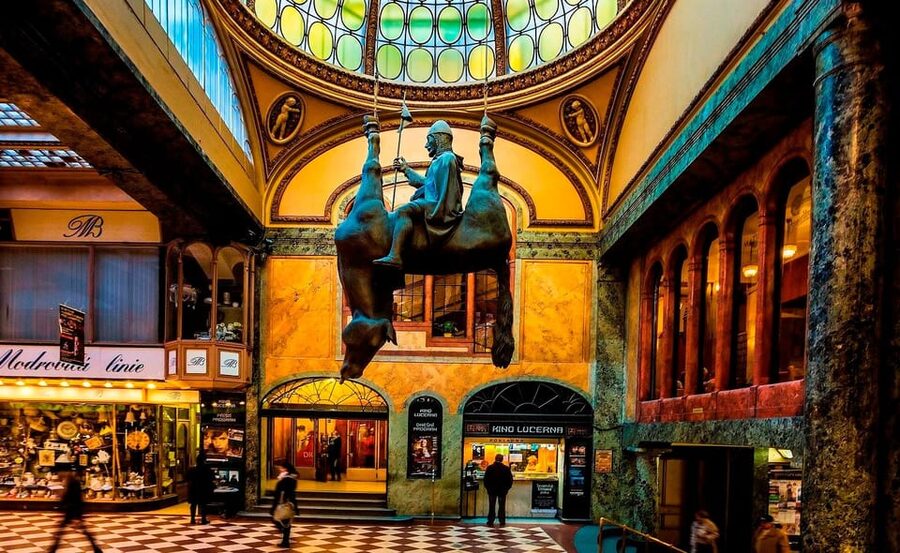
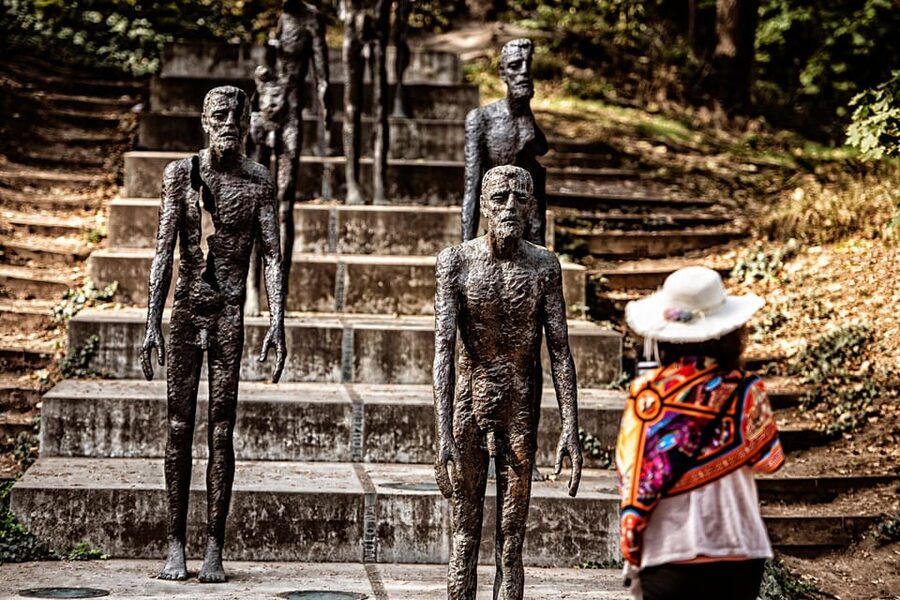
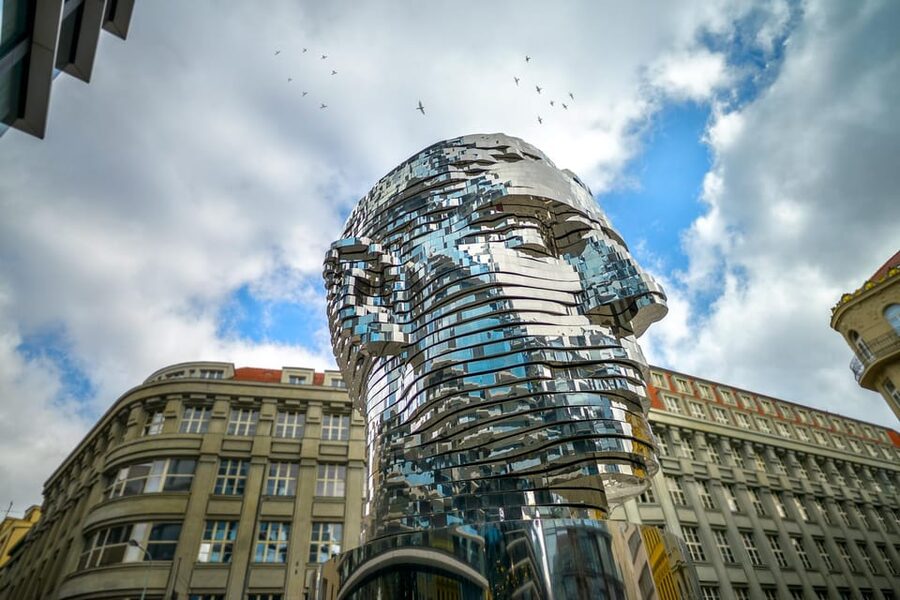
The most distinctive feature may be the attention to experimental installations. One person on a small departure saw artworks that would otherwise have gone unnoticed and received explanations about the artists. That detail gives you a clear idea of the tour’s value: it trains your eyes to notice things you might walk past.
Public art often works that way. A sculpture or installation may blend into the city until someone points out its position, material, or purpose. With a guide beside you, you can ask why it is there, how it relates to its surroundings, and what response the artist hoped to create.
This part also adds variety. A route made only of buildings can become visually repetitive, especially in a short time. Art installations shift the focus from construction to ideas, and from architecture as shelter to the city as a place for expression.
The experience is likely best for you if you enjoy conversation and observation. It is not designed as a museum visit, and food or drinks are not included. Plan to eat before or after rather than expecting a café stop to be part of the experience.
What the guide adds to the walk
A live English-speaking guide is included, and the guiding style appears to be personal rather than heavily scripted. Michael led an intimate departure for three people and was described as friendly, willing to answer questions, and happy to offer Prague advice after the walk.
That kind of contact can make a short tour feel more useful. You can ask about a building that puzzles you, request suggestions for the rest of your visit, or follow up on a design idea that catches your attention. A guide who stays available after the official walk can help you turn two hours into a starting point for further exploring.
Another departure was effectively private, with one participant. You should not assume every group will be that small, but these examples show that intimate departures can occur. A small group is especially helpful on a subject that depends on looking closely and asking questions.
There is also a limitation. A personal route can feel less systematic than a lecture-style tour. One participant expected a structured review of Prague’s architectural styles and found something more selective and conversational instead. If you want dates, categories, and a complete historical sequence, ask at the start how the guide plans to organize the two hours.
Ten stops, one compact story of urban change
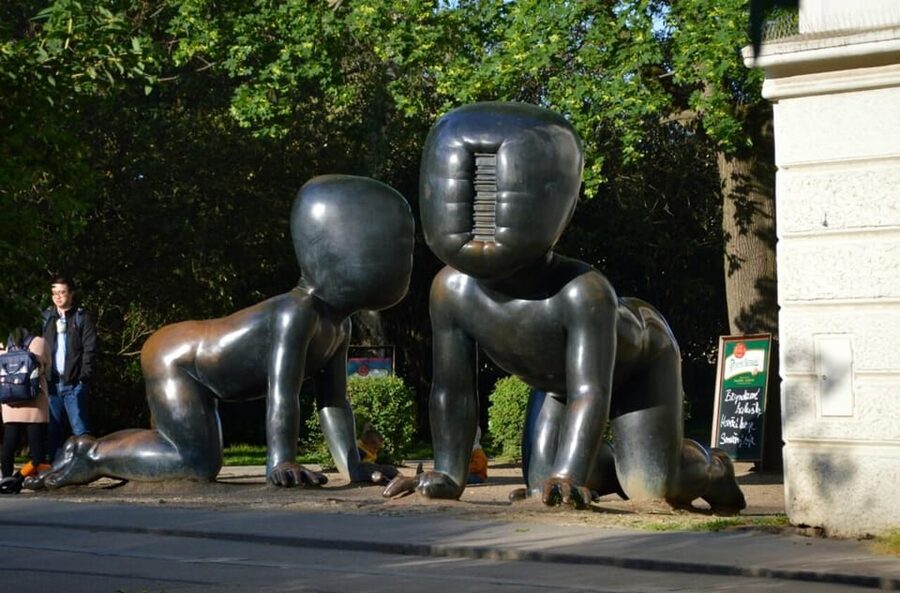
The 10 points of interest are not simply 10 photo opportunities. Together, they are meant to show how Prague changed across the 20th and 21st centuries. The tour moves between buildings, design choices, and art so you can see urban development as a process rather than a collection of isolated objects.
Here is how I would approach the route:
- At the early stops, listen for the broad contrast between Prague’s older image and its modern identity.
- At socialist realist sites, focus on how public design expressed the values of its period.
- At brutalist buildings, examine materials, shape, scale, and the relationship with the street.
- At experimental installations, look for details you would normally overlook and note the artist information.
- At the final points, consider how contemporary design continues to change the city.
The exact order and buildings are not provided, so I would avoid planning independent visits around a presumed sequence. Treat the tour as a guided introduction. Write down names that interest you, then return later if you want more time for photographs or closer inspection.
This is also where the two-hour length works well. You get enough time to see a meaningful range without giving up an entire morning or afternoon. At $35, the price is easier to justify if the guide helps you notice and understand 10 places that would otherwise pass by as background scenery.
Is $35 good value for Prague?
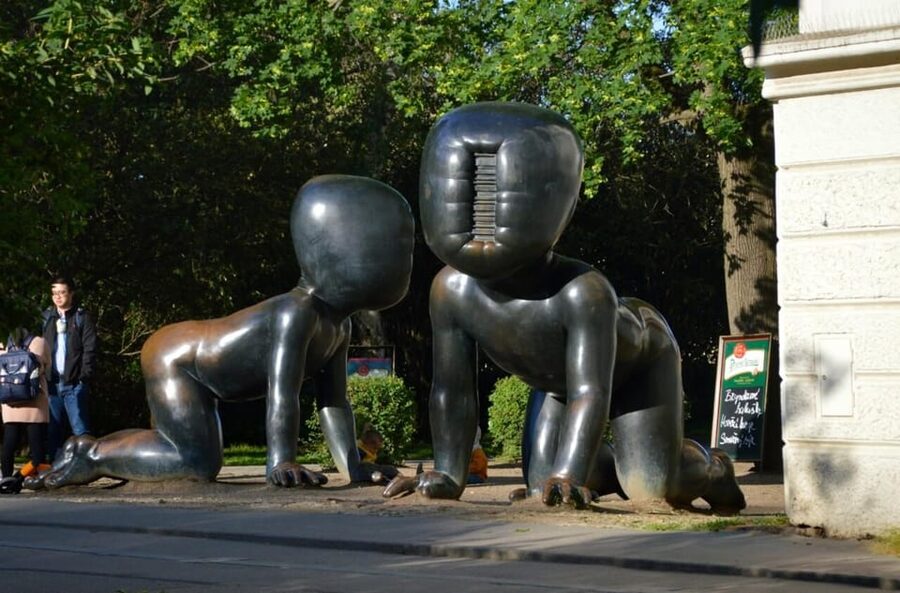
At $35 per person, this is not the cheapest way to walk around Prague, but it is a reasonable price for a focused, live-guided experience. The value depends on your interest. If you would normally stroll past modern buildings without a second thought, the guide adds the main benefit.
You are paying for selection and explanation. The guide chooses 10 points, gives them a cultural and design context, and answers questions in English. That can save you research time and help you understand why a less attractive building still matters.
The price is less compelling if you want guaranteed access to famous interiors, a meal, or transport between distant parts of the city. None of those are included. Food and drinks are separate, and the experience is described as a guided tour rather than an entry-based architecture program.
I would compare it with the cost of an ordinary city walk and ask what you want from Prague. If your priority is old churches and grand historic rooms, spend your money elsewhere. If you already know the classic center and want a sharper look at modern design, $35 is a sensible add-on.
Timing, comfort, and practical planning
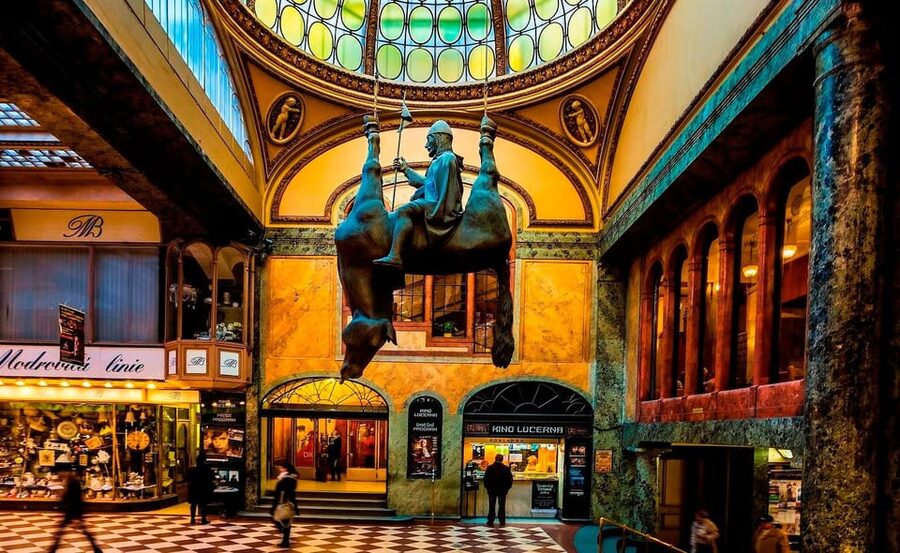
The tour lasts two hours, with starting times available according to the date you choose. That makes it easy to place before dinner, after a morning in the historic center, or between other plans. Since the exact start time is not listed here, check availability before building a tight schedule.
The experience is wheelchair accessible, an important advantage for anyone who needs a route designed with access in mind. You should still confirm the current meeting point and practical route details when booking, since accessibility can depend on the day’s path and public spaces.
There is no included food or drink, so bring what you need for a two-hour outing. The supplied details do not specify rest stops, interior visits, or transport, so plan on the basis that the main activity is guided sightseeing among the 10 points.
Booking is flexible. You can reserve now and pay later, which helps if your Prague plans are still shifting. Cancellation up to 24 hours before the start time brings a full refund, giving you some protection if your schedule changes.
Who will enjoy this modern architecture tour?
I would recommend it most strongly to:
- Architecture and design fans who want more than Prague’s familiar historic center.
- People curious about socialist realism, brutalism, and contemporary public art.
- First-time visitors who want a different way to understand the city.
- Repeat visitors who have already seen the main old-town sights.
- Curious walkers who enjoy stories behind buildings that are not conventionally beautiful.
- Anyone who prefers a small, question-friendly tour when that group size is available.
I would be more cautious if you need a complete history of every architectural period. The route may feel selective and personal rather than neatly organized from Romanesque design through contemporary work. It is also not the right pick if you expect food, drinks, transport, or a long list of interior visits.
For photographers, the appeal is less about collecting famous views and more about finding unusual angles and details. For students, the guide’s explanations can provide useful starting points, though the short duration means you will need further reading for serious research.
Should you book the Prague modern architecture tour?
Book it if you want to see Prague as a city still changing, not just a beautiful historic setting. The strongest reasons are the focus on modern design, the unusual public art, and the chance to ask an English-speaking guide about buildings and artists that may escape your notice.
Go in with the right expectation. This is a personal two-hour introduction to 10 modern points, not a complete classroom survey of Prague architecture. The route may favor interesting stories over the city’s prettiest buildings, and that is precisely why it can add something fresh to your visit.
At $35, I consider it good value for design-minded visitors and repeat visitors. If you prefer a formal, chronological architecture lecture, check the route structure with the guide at the beginning or choose a more specialized program. For everyone else, this is a compact way to find the modern Prague hiding behind the postcard.
FAQ
How long does the Prague modern architecture tour last?
The tour lasts two hours and visits 10 points of interest. Starting times depend on availability for your selected date.
What language is the tour offered in?
The tour is conducted in English with a live guide.
How much does the tour cost?
The listed price is $35 per person.
Is the tour wheelchair accessible?
Yes, the activity is described as wheelchair accessible.
Are food and drinks included?
No. Food and drinks are not included in the tour price.
Can I cancel the booking for a refund?
Yes. You can cancel up to 24 hours in advance for a full refund. You can also reserve now and pay later.
Just added around Prague
- Private Day trip from Prague to Kutná Hora★ 5.0 · 3 reviews
- PRAGUE AIRSOFT SHOOTING GAMES★ 4.7 · 3 reviews
- Private 4-hour City Tour of Prague with driver & official guide w/ Hotel pick up★ 5.0 · 3 reviews
- Glass blowing in Prague★ 4.6 · 3 reviews
- Prague to Karlovy Vary Private Transfer★ 4.5 · 3 reviews
- Prague Private Tour★ 5.0 · 3 reviews
- Disney’s Tarzan Musical★ 5.0 · 3 reviews
- Private Bohemian Glass and Czech Crystal Tour with lunch included★ 5.0 · 3 reviews
Guided, compared.
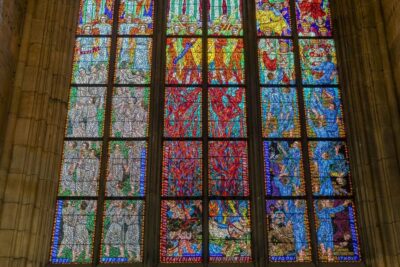
Castle Tour with Local Guide and Entry Ticket
Read our review →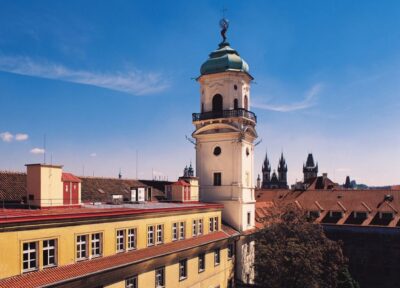
Klementinum Library & Astronomical Tower Guided Tour
Read our review →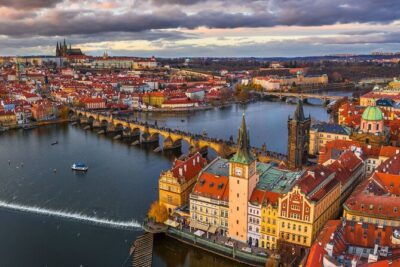
Prague Guided Walking Tour and Cruise with Authentic Czech Lunch
Read our review →
Old Town and Jewish Quarter Guided Tour in German
Read our review →
Old Town and Jewish Quarter Guided Walking Tour
Read our review →
Communism History and Nuclear Bunker Guided Tour
Read our review →
Staropramem Brewery Self-Guided Tour with Tasting
Read our review →