
REVIEW · TEREZIN MEMORIAL TOURS
Terezin concentration field excursion
Terezin makes history feel close. This six-hour excursion connects the Jewish ghetto in the Great Fortress with the Small Fortress prison, giving you a clear view of two very different parts of the memorial. I like the round-trip transport from Prague and the fact that entry fees and a live Spanish-speaking guide are included. The main drawback is the length of the visit: six hours is useful for understanding Terezin, but the subject matter is heavy and the schedule may feel demanding.
I also like the careful route through the prison area, including the administrative courtyard, the Arbeit Macht Frei gate, prisoner spaces, casemates, shooting area, and part of the residential zone. Guide Eric has earned particular praise for explaining the subject clearly and respectfully. The tour is wheelchair accessible, but you should still be ready for a serious memorial visit rather than a light sightseeing outing.
In This Review
- Key points to know before booking
- Why Terezin requires more than a quick stop
- Leaving Prague at 9:00 and building the background
- The Great Fortress and the Jewish ghetto
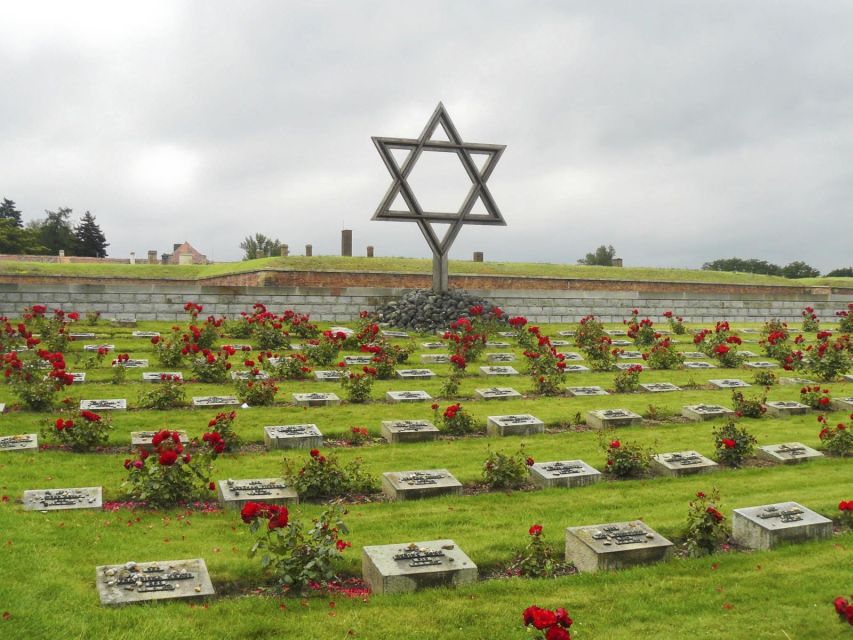
- The cemetery complex and National Cemetery
- Entering the Small Fortress through the prisoner route
- What the guide adds to the experience
- Is $68 good value for six hours?
- Who will appreciate this Terezin excursion
- Should you book this tour?
- FAQ
- Where does the Terezin excursion begin?
- What time does the excursion start?
- How long does the activity last?
- What language is the live guide?
- What sites are included?
- Is transportation included?
- Can I cancel for a refund?
Key points to know before booking
- Two sites tell two different stories: The Great Fortress held the Jewish ghetto, while the Small Fortress functioned as a prison and place of Nazi political persecution.
- The tour leaves at 9:00: Meet at V Celnici 4 in Prague, then expect almost an hour of travel to the main fortress.
- Spanish is the guide language: Eric is one guide specifically praised for clear and respectful explanations.
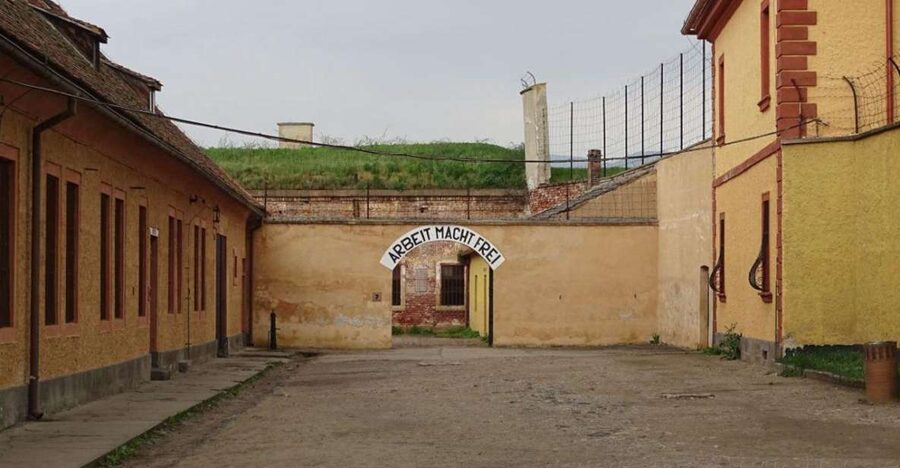
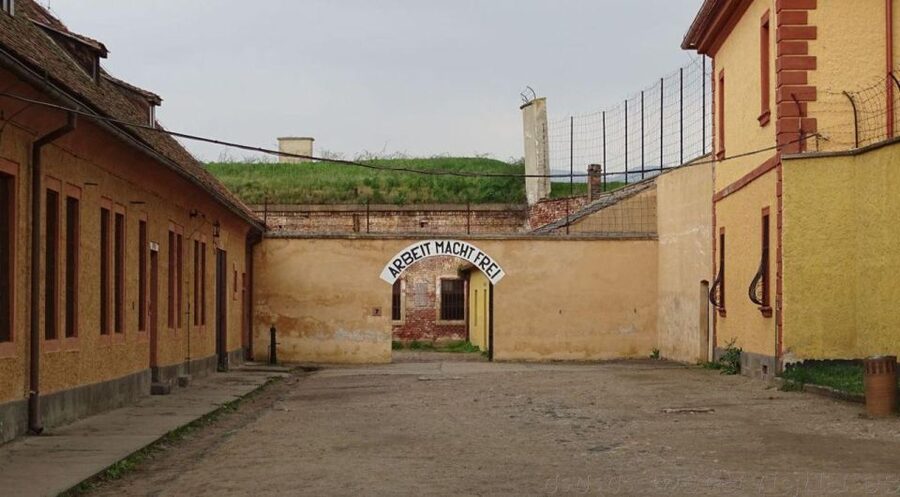
- The route follows prisoner spaces: You visit the administrative courtyard, Arbeit Macht Frei gate, casemates, shooting area, and residential section.
- The $68 price covers the main costs: Round-trip transport, guide service, and facility entries are included.
- The visit is emotionally serious: Terezin is a memorial to victims of Nazi political and racial persecution during World War II, not simply an old fortress tour.
Why Terezin requires more than a quick stop
Terezin is unusual because the place had two major wartime functions. The Great Fortress became a Jewish ghetto, while the Small Fortress served as a prison connected with Nazi political persecution. Seeing both helps you avoid a common mistake: treating Terezin as one single camp with one single purpose.
The Memorial’s work is to commemorate victims of Nazi political and racial persecution during the occupation of Czech lands in World War II. It also supports museum, research, and educational work. That wider mission matters because the visit is not built around spectacle. It is built around names, facts, places of suffering, and the physical route through the former prison.
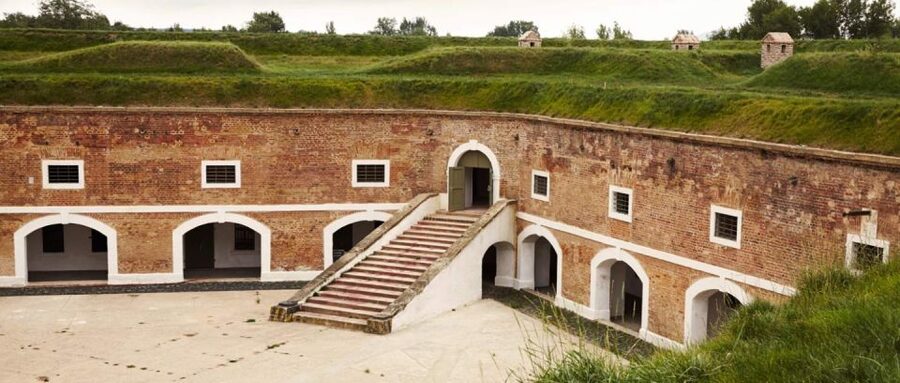
The fortress itself was founded as a modern military stronghold at the end of the 18th century. Its later wartime use gives the architecture a difficult second meaning. Walls, courtyards, casemates, and defensive passages were not designed for the role they later played, yet they became part of the machinery of imprisonment and death.
I find that context useful before arrival. You can look at the fortifications as military engineering, but you also need to understand how the same structures were used under Nazi rule. The guide’s job is to connect those layers without letting the old architecture distract from the people who suffered there.
More Terezin memorial visits:
- From Prague: Terezin Concentration Camp Guided Tour w/ Audio
★ 4.5 · 1,959 reviews - From Prague: Tour of Terezin Concentration Camp
★ 4.4 · 1,269 reviews - Terezin Concentration Camp Day Tour from Prague
★ 4.0 · 1,007 reviews
Leaving Prague at 9:00 and building the background
The meeting point is V Celnici 4, with departure scheduled for 9:00 in the morning. The first journey takes almost an hour, so the transport is not dead time. Historical and technical details are introduced on the way, helping you arrive with a basic framework.
That early explanation is valuable at Terezin. The site includes a former fortress city, a ghetto, a museum, a national cemetery, and a prison complex. Without guidance, you could easily see separate buildings without understanding how they relate to one another.
The route from Prague also passes the monument to the actors of Operation Anthropoid. The supplied details do not promise a full stop or extended visit there, so I would treat it as a passing point rather than a separate attraction. Still, it adds another reminder of resistance to Nazi rule before the main memorial visit begins.
The morning start also shapes the day. You will spend roughly an hour reaching Terezin and return to Prague after the visit, with the full activity lasting six hours. That makes this a practical choice if you want transport arranged and a focused memorial day without planning separate tickets or connections yourself.
The Great Fortress and the Jewish ghetto
The Great Fortress is not simply a gate or isolated monument. The entire city functioned as the Jewish ghetto during the wartime period described on the tour. That fact changes how you read the streets and fortress structures. You are not visiting one contained exhibit only. You are looking at an urban setting that was used to confine Jewish people.
The Ghetto Museum is one of the main stops. Here, the guide helps explain names, facts, and the methods used during the period of persecution. I value this part because it gives the historical framework needed for the later prison visit. The museum provides information, while the buildings and courtyards show the physical setting.
A photo stop is included, but this is not a place where photography should become the main activity. The memorial’s purpose is remembrance, and the guide’s tone matters. The strongest element in the available feedback is the quality of explanation. Eric was praised for making the story clear and respectful, which is exactly what you need at a site with this much painful material.
You may find the Great Fortress harder to absorb than a conventional museum because the ghetto was connected to an entire town. Give yourself time to listen to the guide’s distinctions and ask questions if the difference between the ghetto and the prison is unclear. That distinction is central to the visit.
The cemetery complex and National Cemetery
The cemetery complex adds names, numbers, motives, and methods to the story. These details can feel abstract when you first hear them, but they become more meaningful when placed beside the actual sites connected with confinement and death.
The tour then continues to the National Cemetery. The guide explains the differences between the ghetto and the camp before you move on to the Small Fortress. This transition is one of the most important parts of the day because it prevents the two sites from being blended together.
I would listen closely here. The Great Fortress was the Jewish ghetto, while the Small Fortress was a prison associated with political resistance and opposition to the Nazi regime. The supplied description also identifies the Small Fortress as a concentration camp site. The terms overlap in casual conversation, but the tour aims to show that these places had different roles.
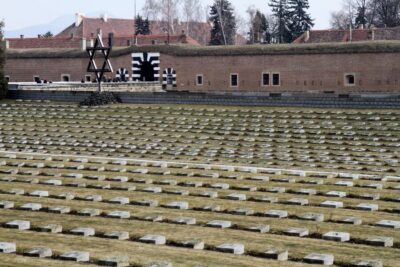
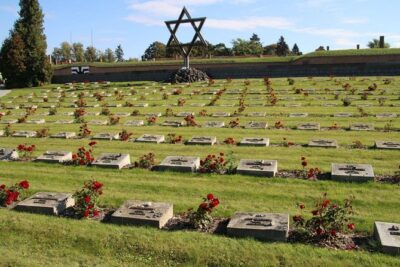
The cemetery and memorial areas are also a reminder that Terezin is not only about surviving walls. They place the people affected by the system at the center of the visit. The Memorial’s stated mission is to honor victims of both political and racial persecution, so the cemetery stop carries a wider meaning than a standard historic burial ground.
A completely different kind of day out in Terezin Memorial:
- From Prague: Terezin Concentration Camp Tour
★ 3.7 · 573 reviews - From Prague: Terezín and Ghetto Museum Guided Tour
★ 4.3 · 571 reviews - Terezin & Bohemian Switzerland from Prague: Bastei, Narnia & Café
★ 5.0 · 445 reviews - Terezin Concentration Camp Day Tour Including Admission From Prague
★ 4.5 · 179 reviews
Entering the Small Fortress through the prisoner route
The Small Fortress visit follows the route prisoners took, beginning in the administrative courtyard. That choice gives the tour a strong physical order. Rather than jumping between unrelated rooms, you move from arrival and administration toward the areas where prisoners were held.
The Arbeit Macht Frei gate is part of this route. From there, you reach the prisoner area. The sequence is stark, and it helps you understand how a person entering the fortress would have encountered the place.
You then pass through the fortress casemates. These defensive passages are among the site’s most distinctive architectural features, but the tour does not present them only as military curiosities. Their later use forms part of the prison story, and the guide connects the structure with the experience of confinement.
The route continues to the shooting area and then to part of the residential section. The information provided does not promise access to every room or every part of the complex, so you should expect a selected route rather than an unrestricted wander through the entire fortress. That is not necessarily a weakness. A guided path can keep the visit focused and make sure the key places are explained in order.
This portion can be especially difficult emotionally. The route is physical, but its purpose is not adventure. You are walking through places tied to imprisonment, political persecution, and death. A calm attitude and respectful clothing are sensible choices, even though no formal dress rule is listed.
What the guide adds to the experience
The Spanish-language guiding is a major reason to choose this excursion. Terezin contains several categories of history, and a guide can explain the differences as you move from the ghetto museum to the cemetery and then the Small Fortress.
Eric is the only guide named in the supplied information. His explanations were praised as clear, respectful, and effective in describing life during Terezin’s use as a concentration camp. That is important praise because the quality of a guide can change the visit from a series of grim rooms into a coherent account.
You should expect interpretation rather than entertainment. The guide explains historical and technical details during the journey, then relates them to the sites on arrival. This approach suits you if you want structure and context. If you prefer to explore memorials silently and at your own pace, a guided six-hour program may feel more controlled than you would like.
The tour also benefits from having one guide connect the different parts of the day. The ghetto, museum, cemetery, prison courtyard, casemates, and shooting area are not separate stories. They are parts of a difficult wartime history, and the guide helps keep those relationships clear.
Is $68 good value for six hours?
At $68 per person, the price is reasonable if you want a packaged visit from Prague. The fee includes guide service, round-trip transportation, and entries to the facilities. You are not paying only for access to a museum. You are also paying for the journey, the historical explanation during transit, and a structured route through both major areas.
The value is strongest for visitors who do not want to arrange transport independently or work out which facilities require admission. It also makes sense if you want a Spanish-speaking guide. The excursion gathers the main sites into one morning and afternoon program, then returns you to V Celnici 4.
The price is less compelling if you are already staying in the area, have your own transport, or prefer to visit only one section. In that case, six hours may be more than you need. The activity is designed as a full memorial excursion, not a quick look at the Great Fortress.
The reserve-now, pay-later option gives you some planning flexibility, and cancellation is available up to 24 hours before departure for a full refund. Those terms are useful if your schedule is still changing, but they should not be the main reason to book. The real value is the combination of transport, entry, and Spanish explanation at a complex historical site.
Who will appreciate this Terezin excursion
I would recommend this tour to you if you want a serious, guided account of Terezin and prefer Spanish for detailed historical explanation. It suits first-time visitors particularly well because the route explains the difference between the Jewish ghetto and the Small Fortress prison.
It is also a good fit if you are staying in Prague and want a planned day outside the city. The 9:00 departure and six-hour duration make the schedule easy to build around, while the return to V Celnici 4 removes the need to arrange a separate trip back.
The excursion may be less suitable if you want a relaxed old-fortress outing, a casual photography trip, or a self-guided visit with long periods of quiet. Terezin is a memorial, and the content deals directly with persecution, imprisonment, and death. You should choose it because you want to learn and remember, not because the fortifications look interesting in photographs.
Wheelchair access is listed, which makes the activity more practical for visitors with mobility needs. Still, the tour follows a historic fortress route that includes casemates and several different areas. Ask the provider for current route details if you need to know how every section works for your particular wheelchair.
Should you book this tour?
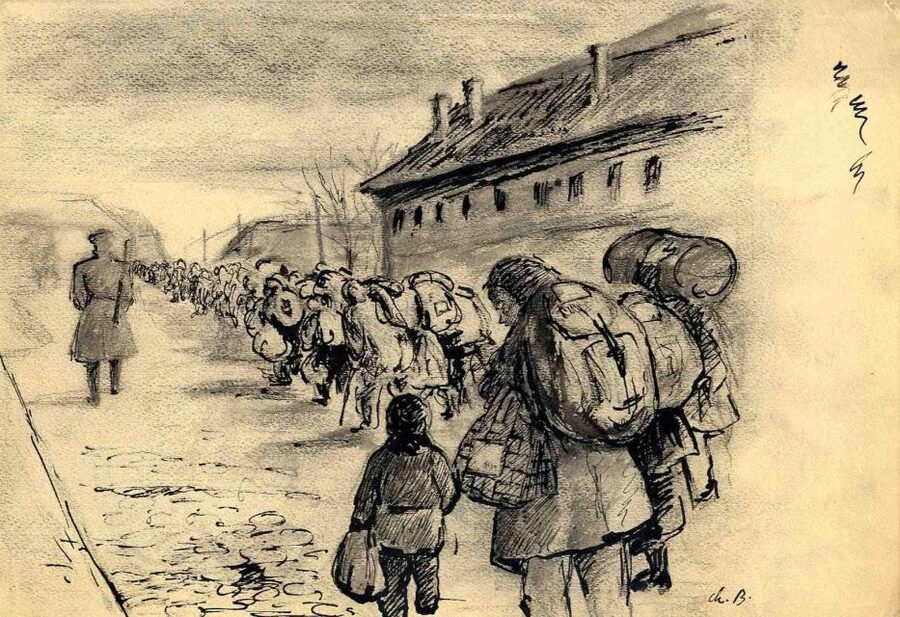
Book it if you want the main Terezin sites explained in Spanish, with transport and admissions handled for you. The strongest reasons are the clear route through both fortresses, the distinction between ghetto and prison, and the respectful guiding praised in connection with Eric.
Think twice if you want a short visit or complete independence. For most people interested in the history, though, the $68 cost is fair for six hours of transport, entry, and interpretation. Go prepared for a solemn day, listen carefully at the cemetery and museum, and let the physical route through the Small Fortress show you how different parts of Terezin were used.
FAQ
Where does the Terezin excursion begin?
The tour begins at V Celnici 4 in Prague.
What time does the excursion start?
The scheduled meeting time is 9:00 in the morning.
How long does the activity last?
The full excursion lasts six hours, including the visit and round-trip transportation.
What language is the live guide?
The live tour guide provides the experience in Spanish.
What sites are included?
The program includes the Terezín Memorial and Ghetto Museum, the Great Fortress, the cemetery areas, the National Cemetery, and the Small Fortress route.
Is transportation included?
Yes. Round-trip transportation from V Celnici 4 is included.
Can I cancel for a refund?
Yes. You can cancel up to 24 hours in advance for a full refund.
Just added around Terezin Memorial
- Vintage car tour to Terezín concentration camp★ 4.0 · 3 reviews
- Terezin Concentration Camp w/Holocaust Historian SMALL GROUP★ 5.0 · 4 reviews
- Terezin Concentration Camp with Holocaust Historian Semi Private★ 5.0 · 5 reviews
- Private Terezin Nazi camp tour from Prague All-Inclusive★ 5.0 · 7 reviews
- Terezin Concentration Camp – A town of rich and painful history★ 4.0 · 7 reviews
- Private Former Concentration Camp Terezin Tour from Prague★ 5.0 · 8 reviews
- Terezin: Private Half-Day Tour from Prague★ 5.0 · 9 reviews
- Private Tour: Terezin Half-Day Tour from Prague★ 5.0 · 9 reviews
Terezin Memorial Tours, compared.
Terezin Concentration Camp Guided Tour w/ Audio
Read our review →
Terezin Concentration Camp Day Tour from Prague
Read our review →
Terezin & Bohemian Switzerland from Prague: Bastei, Narnia & Café
Read our review →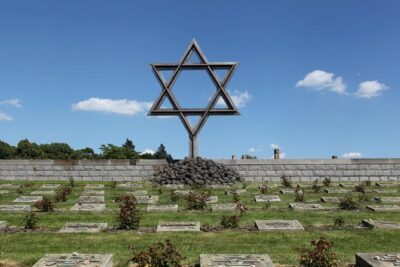
Terezin Concentration Camp Day Tour Including Admission From Prague
Read our review →
Terezin In-Depth Holocaust Tour From Prague’s Center (max 7 pax)
Read our review →Browse the lists this tour appears in