
REVIEW · TEREZIN MEMORIAL TOURS
Private Half-Day Tour To Terezin Concentration Camp
Terezín makes wartime history painfully close. This private five-hour trip from Prague combines door-to-door transport with a local guide who can explain both the Nazi prison and the Jewish ghetto. I like the quiet, personal pace, and I like that the tour covers far more than the main museum. You visit cells, tunnels, a hidden synagogue, the crematorium, and the mass graveyard.
The strongest guides bring care as well as facts. Eva is warm and personable, while Peter, also listed as Petr, has earned praise for patience, compassion, and clear answers. The main consideration is the price: at $316 per person, this is a serious expense, especially for solo visitors or couples. Still, a private car, entrance fee, flexible pickup, and a five-hour guided visit make it good value for families or small groups seeking a focused experience.
In This Review
- Key points to know before booking
- Why Terezín deserves a full half-day
- A private ride from Prague makes the day easier
- Entering the Small Fortress, the former Gestapo prison
- Crossing to the Big Fortress and the ghetto story
- The hidden chapel and culture in the ghetto
- Ending at the crematorium and mass graveyard
- The guide can shape the experience
- Who will get the most from this tour
- Should you book the private Terezín tour?
- FAQ
- How long does the Terezín tour last?
- Where does the tour begin?
- Is transportation included?
- Is the tour private?
- What languages are available?
- Does the price include entry to Terezín Memorial?
- What is the Small Fortress?
- What can you see at the Small Fortress?
- What can you see at the Big Fortress?
- Can you cancel for a full refund?
Key points to know before booking
- The Small Fortress was a Gestapo prison: You see the administrative court, mass cells, Jewish cell, solitary cells, tunnels, shooting range, and fourth courtyard.
- The Big Fortress tells the story of the Jewish ghetto: The Museum of the Ghetto explains daily life, deportations, death from disease and hunger, and the fate of children.
- A hidden synagogue is part of the route: The small chapel occupies a storage room because Jewish religious practice was forbidden.
- Your guide and vehicle are private: Pickup can be arranged at a hotel, square, airport, or another suitable location.
- The tour ends at the crematorium: A mass graveyard beside it gives the final stop a stark, quiet weight.
- You can choose among seven languages: English, Spanish, French, Russian, Italian, Czech, and German are available.
Why Terezín deserves a full half-day
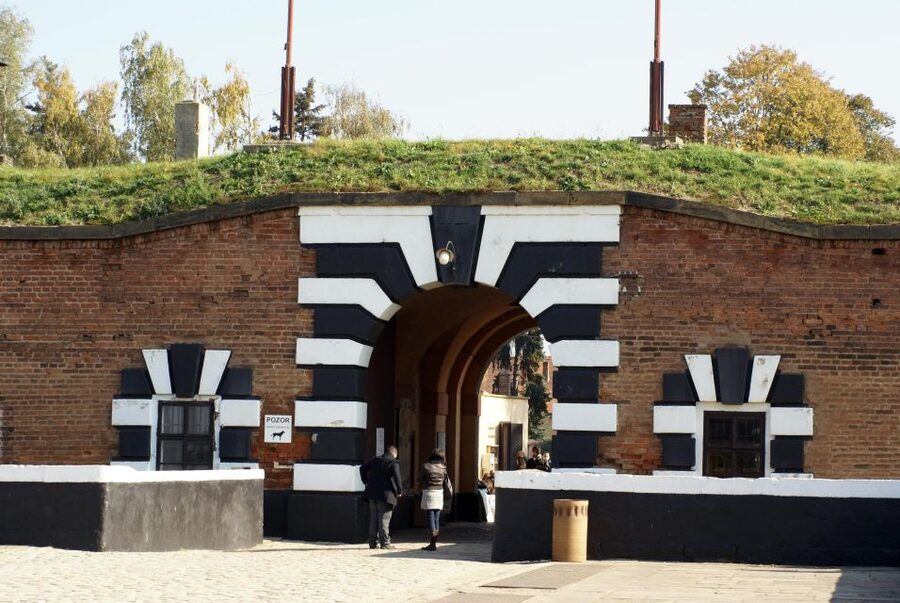
Terezín is not simply one camp with one exhibit. It is a former 18th-century military fortress turned into two connected but different places of Nazi persecution.
The Small Fortress became a Gestapo police prison in June 1940. The Big Fortress, about a mile away, became a ghetto for Jews from November 24. That difference matters. The Small Fortress was mainly a prison for political prisoners, prisoners of war, Jews, Roma, disabled people, and ordinary criminals. The Big Fortress held Jewish men, women, and children in crowded conditions before many were sent east to extermination camps.
I appreciate that this tour shows both sites. If you visit only the ghetto museum, you miss the prison system and the physical cruelty of the Small Fortress. If you visit only the prison, you miss the cultural life, forced transport system, and family story of the ghetto.
The subject is heavy from the start, and this is not an outing for casual sightseeing. Give yourself some quiet time afterward. Terezín asks you to pay attention.
More Terezin memorial visits:
- From Prague: Terezin Concentration Camp Guided Tour w/ Audio
★ 4.5 · 1,959 reviews - Terezin Concentration Camp Day Tour from Prague
★ 4.0 · 1,007 reviews - From Prague: Terezín and Ghetto Museum Guided Tour
★ 4.3 · 571 reviews
A private ride from Prague makes the day easier
The experience lasts five hours and includes a driver, car or minivan, private guide, and entrance fee to the Terezín Memorial. Pickup is included, with arrangements possible at a hotel, square, airport, or another suitable place.
That flexibility is useful in Prague. You do not need to locate a bus stop, change vehicles, or work out how to connect the two fortresses. Your guide and driver handle the transfer between the Small and Big Fortresses, leaving you to focus on the visit.
A private vehicle also helps if you are traveling with older relatives or anyone who needs a wheelchair-accessible arrangement. The tour is listed as wheelchair accessible, though you should still confirm the exact vehicle and route details when booking.
The price is $316 per person. That is not cheap, but the right comparison is a private half-day excursion rather than a basic admission ticket. You are paying for transport from Prague, a dedicated guide, private-group attention, and entry. For a larger family or group splitting the vehicle and guide cost, the value improves. For one or two people on a tight budget, a group tour may make more financial sense.
You can reserve now and pay later, and cancellation is free up to 24 hours before departure. Those terms help if your Prague plans are still shifting.
Entering the Small Fortress, the former Gestapo prison
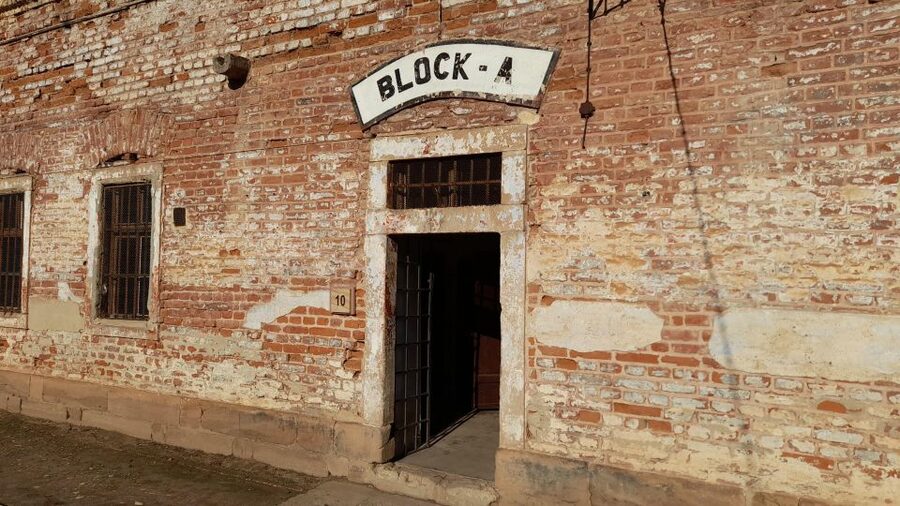
The Small Fortress is the most direct and physically forceful part of the tour. Since June 1940, about 35,000 prisoners passed through its gates during its five-year operation. The prison closed on May 8, 1945.
Your guide begins at the administrative court, where new prisoners arrived. This first stop helps you understand the machinery of imprisonment before you enter the cells themselves. You then see the commander’s office and walk through the men’s section.
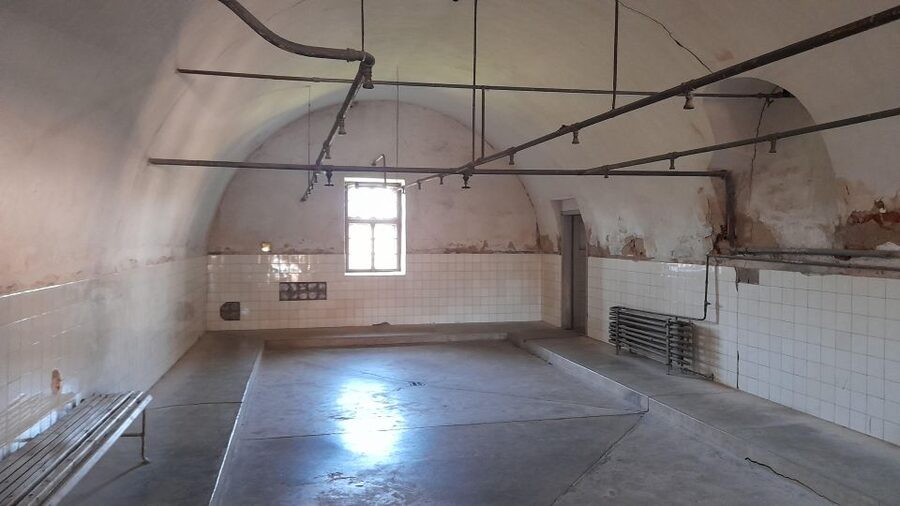
The mass cells show how tightly people were confined. You also visit a Jewish cell and solitary cells, each offering a different picture of imprisonment. I find the contrast important: one space reveals crowding and loss of privacy, while another shows the deliberate use of isolation.
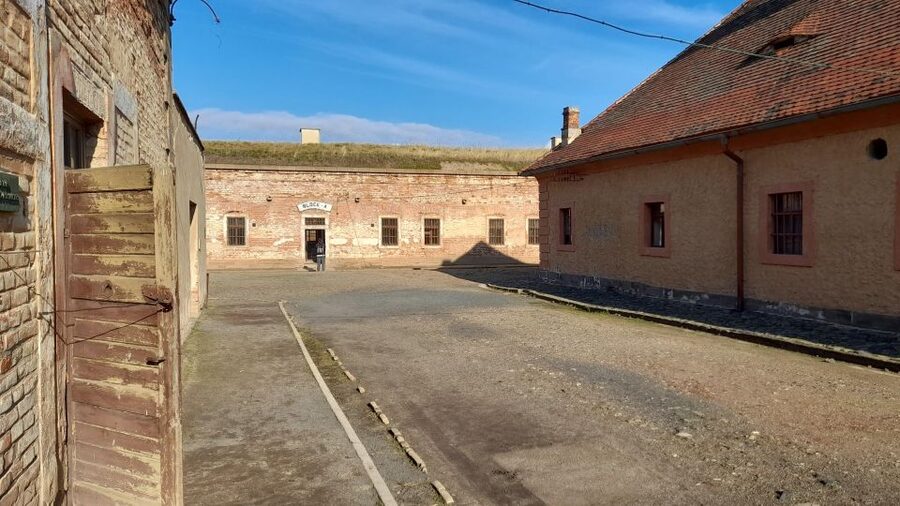
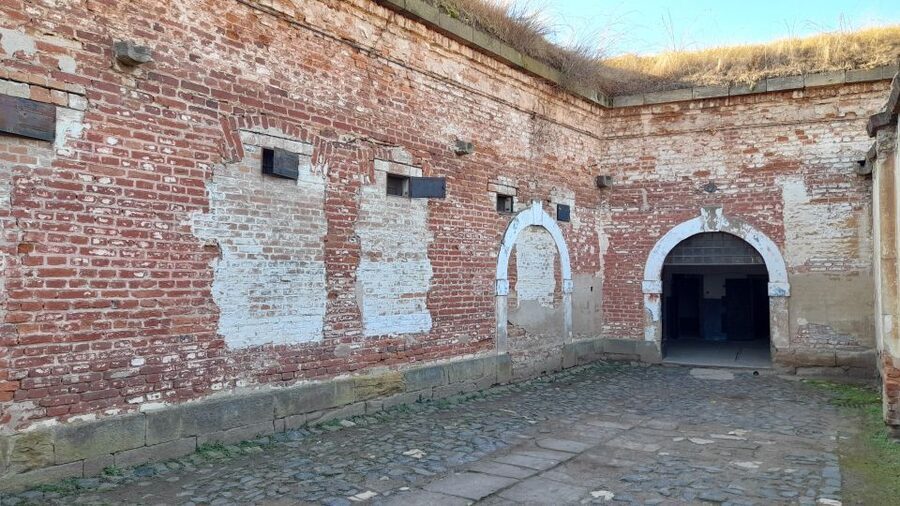
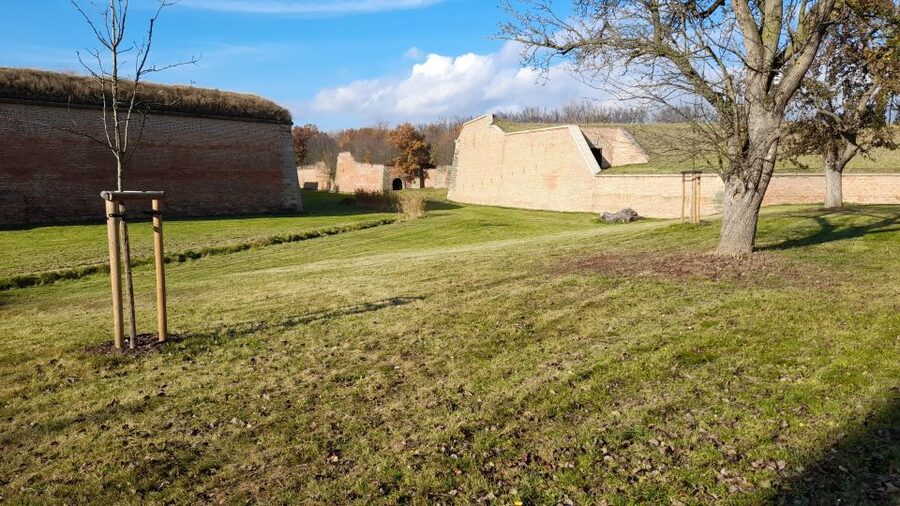
The route continues through the wall tunnels. These passages are a physical reminder that Terezín was first built as a defensive fortress, then repurposed for control and punishment. You also see the shooting range and the fourth courtyard, where the Nazis added larger mass cells because the prison had run out of room.
The fourth courtyard can be especially difficult to process. It shows that overcrowding was not an accident or a brief problem. More people were being forced into the prison system, and the response was to add more cramped holding space.
A short, 10-minute Nazi propaganda film is also shown. It was made for the International Red Cross. Watch it with care. Its purpose was to create a false picture of humane treatment, not to record ordinary prison life honestly. The film is valuable because it shows how the Nazis tried to manage outside scrutiny, but it may feel disturbing beside the actual cells and courtyards.
The Small Fortress benefits greatly from a guide. Without context, you may see old stone rooms and narrow passages. With explanation, the layout becomes a record of arrival, confinement, punishment, forced movement, and death.
Crossing to the Big Fortress and the ghetto story
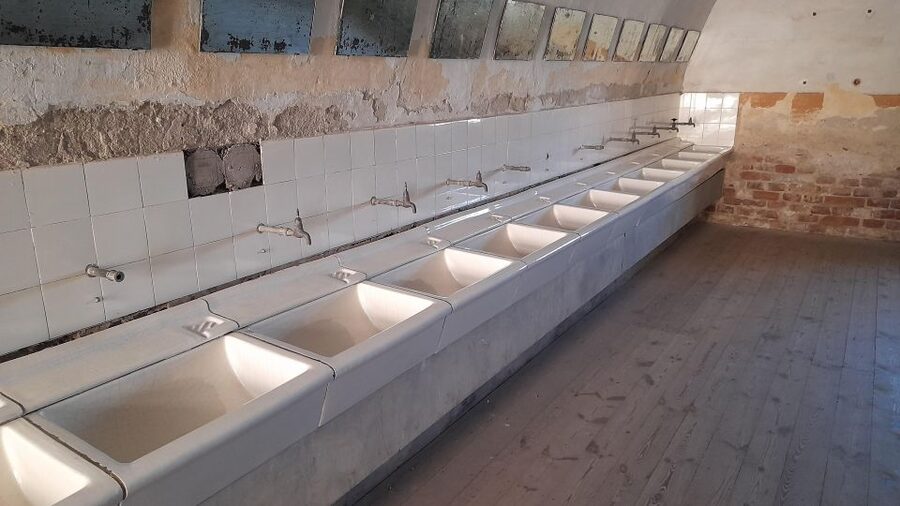
The Big Fortress is about a mile from the Small Fortress. It served as a ghetto for Jews for three and a half years, and about 155,000 Jewish people passed through its gates.
The numbers connected with deportation are devastating. Sixty-three transports left Terezín for extermination camps in Poland, carrying 87,000 prisoners. Only 3,600 survived the war. About 35,000 people died inside the ghetto itself, mainly from disease and inadequate nutrition.
These figures can be hard to absorb as a list. The tour becomes more meaningful when your guide connects them to buildings, rooms, and people. Terezín was both a holding point for deportation and a place where people died before they could be transported.
The Museum of the Ghetto is in former boys’ barracks. It explains the Holocaust and daily life in the ghetto, with displays on imprisonment, deportation, and the extermination camps. The entire ground-floor section is devoted to children who lived and died in Terezín.
That child-focused section is one of the most important parts of the day. It shifts the story away from statistics and toward families, schooling, fear, separation, and the fragile effort to preserve childhood in brutal conditions.
One practical point deserves attention: the exact level of guide involvement inside the museum may vary. One visitor particularly wished the guide had continued through the upstairs museum. If you want commentary throughout every museum room, ask about the guiding arrangement before departure. The tour still includes the museum, but the guide may give you time to read certain sections independently.
More half-day trips:
- From Prague: Half-Day Coach Tour to Kutná Hora
★ 4.4 · 372 reviews - Small-Group Half-Day Prague Walking Tour
★ 4.5 · 99 reviews - Private Half-Day Tour From Prague To Terezín Concentration Camp
★ 5.0 · 78 reviews - Half-Day WWII Prague Walking Tour
★ 5.0 · 68 reviews
The hidden chapel and culture in the ghetto
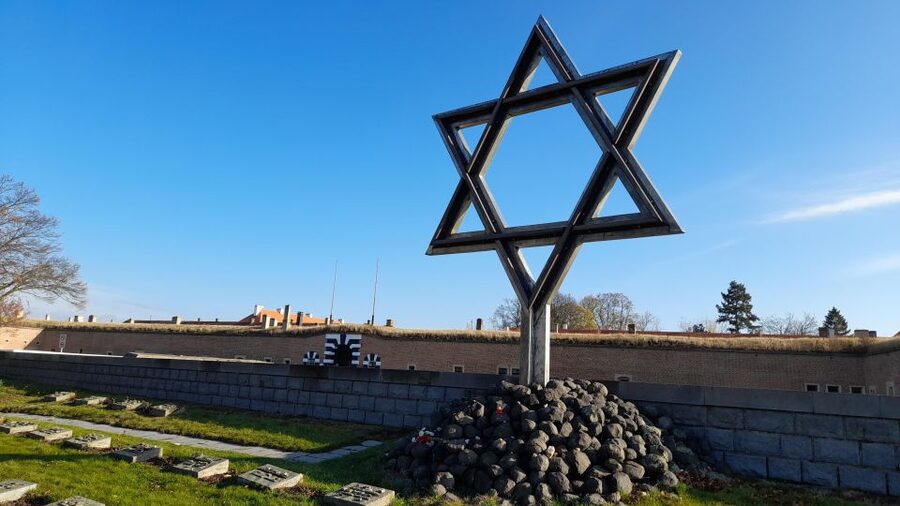
The hidden synagogue is a small but powerful stop. It occupies a storage room, one of six concealed Jewish prayer spaces in Terezín. The Nazis banned visible signs of Jewish religion, so worship had to take place out of sight.
This room says a great deal without requiring a long visit. Religious practice did not disappear simply because it was forbidden. People adapted, protected one another, and kept traditions alive in secret.
Next comes the Magdeburg barracks. Here you see dormitory conditions and learn about cultural life in the ghetto. Many Jewish prisoners were accomplished artists, musicians, writers, and performers. Their work did not make life safe, but it offered dignity, structure, and a way to resist the Nazi attempt to reduce people to numbers.
I value this part of the tour because it prevents Terezín from being presented only as a place of death. Suffering is central, but so are courage, self-sacrifice, faith, art, and efforts to save others. The story is more honest when it includes the choices people made under impossible conditions.
The cultural material may also help younger visitors connect with the site, though the subject remains severe. Families should decide in advance how much detail their children can handle.
Ending at the crematorium and mass graveyard
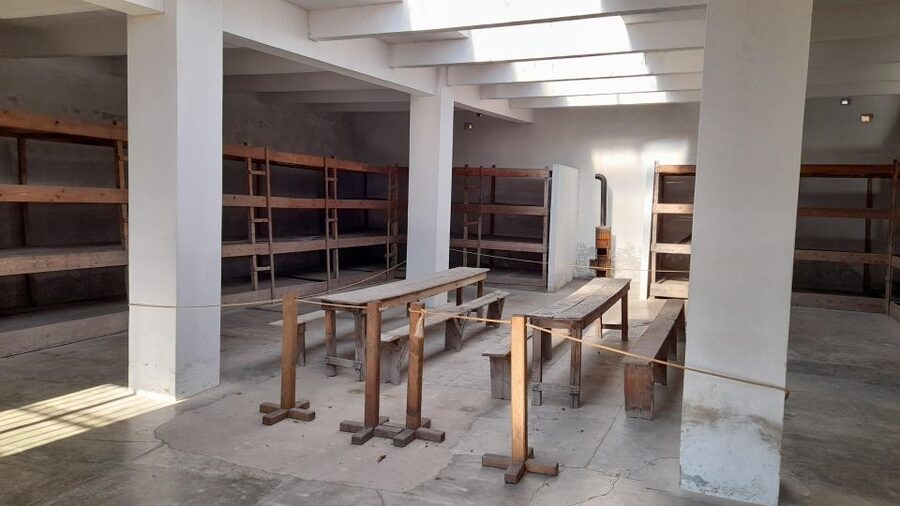
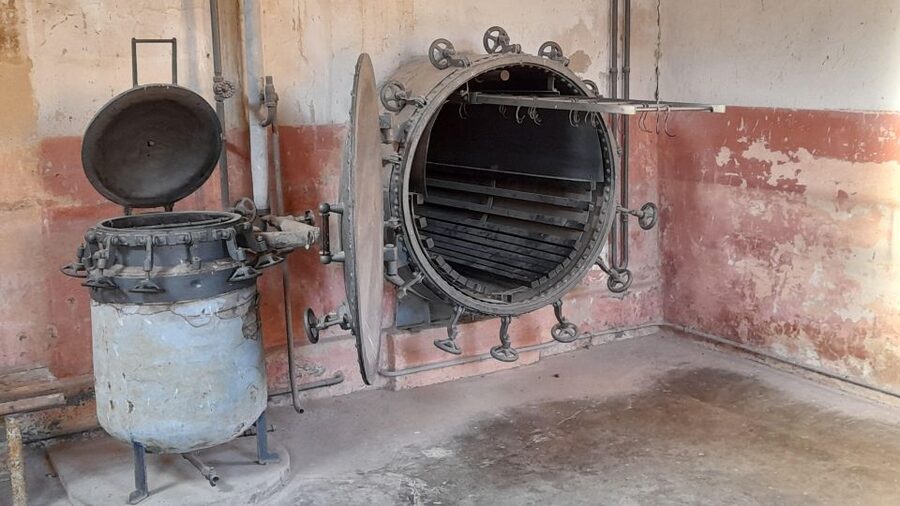
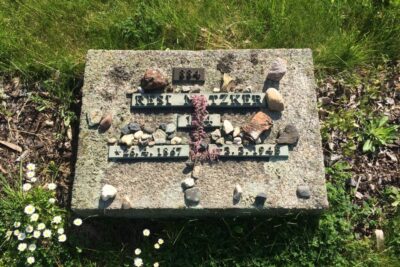
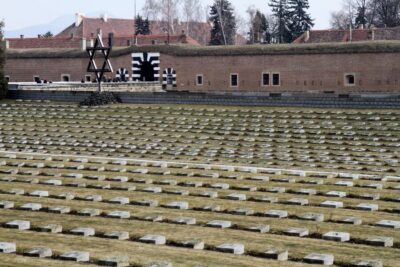
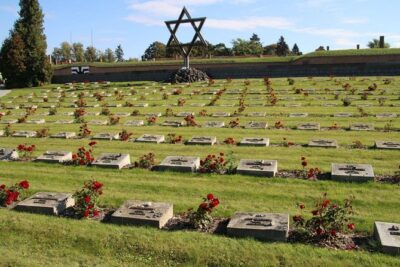
The final stop is the crematorium outside Terezín’s walls. Built in 1942, it was used to cremate victims’ bodies. A mass graveyard lies next to it.
The setting changes the mood again. Inside the fortresses, you spend much of the time studying rooms, corridors, and exhibits. At the crematorium, the purpose is stark and direct. The mass graveyard makes clear that the people who died in Terezín were not all deported elsewhere. Many were killed by disease, hunger, and the prison system itself.
I would not rush this stop. The itinerary places it at the end, which feels appropriate. You have already learned about the prison, ghetto, transports, children, and cultural life. The crematorium gives those facts a final physical point.
Because the whole experience lasts five hours, the schedule is compact. You will see a large amount in half a day, but you should not expect long, unhurried time in every room. A private guide can answer questions and adjust the emphasis, yet the number of sites means you need to keep moving.
The guide can shape the experience
A private tour is only as strong as the person leading it. The most praised guides here are Eva and Peter, also identified as Petr. Eva is described as warm, personable, and full of information. Peter is noted for patience, compassion, friendliness, and careful answers to questions.
Those qualities matter at Terezín. A guide should do more than recite dates. You need someone who can explain the difference between the two fortresses, clarify the propaganda film, and give human context without turning tragedy into spectacle.
One especially valued part of the guiding can extend beyond the Second World War. A guide may also share personal memories of daily life in Czechoslovakia before, during, and after the Velvet Revolution. That connection adds modern Czech context to a site many people approach only through wartime history.
Seven languages are available: English, Spanish, French, Russian, Italian, Czech, and German. If language is important to you, confirm your preferred choice at booking.
Who will get the most from this tour
I would choose this trip if you want a serious, structured visit and prefer having a local guide close at hand. It suits couples, families, and small groups who want private transport and the freedom to ask questions without a larger crowd.
It is also a good fit if you have limited time in Prague but want to understand Terezín properly. Five hours is long enough to cover both fortresses and the main memorial sites without giving up an entire day.
I would think twice if you want a light historical outing, dislike museums and memorials, or need a very slow pace. The subject is painful, and the itinerary is full. You may also find the per-person price high if you are traveling alone.
Wear practical shoes and expect to walk through historic fortress spaces, courtyards, cells, and tunnels. The tour is listed as wheelchair accessible, but the detailed route through every area is not specified, so confirm the access arrangements before you go.
Should you book the private Terezín tour?
Book it if you want the fullest half-day introduction to Terezín from Prague, especially when you are sharing the cost with family or friends. The private vehicle, flexible pickup, entrance fee, and personal guide remove much of the day’s practical hassle.
I particularly recommend it for anyone who wants to see both the Gestapo prison and Jewish ghetto rather than a single museum. Ask in advance how much museum guiding is included and request a guide whose language and approach suit your group.
At $316 per person, this is a premium excursion. But for a private group that values clear explanations, sensitive handling, and transport from Prague, it delivers a focused and substantial visit to one of the Czech Republic’s most important memorial sites.
FAQ
How long does the Terezín tour last?
The tour lasts five hours.
Where does the tour begin?
Pickup is included from a place that suits you, such as a hotel, square, airport, or another agreed location.
Is transportation included?
Yes. A driver and car or minivan are included.
Is the tour private?
Yes. It is offered for a private group.
What languages are available?
The live guide can speak English, Spanish, French, Russian, Italian, Czech, or German.
Does the price include entry to Terezín Memorial?
Yes. The entrance fee to Terezín Memorial is included.
What is the Small Fortress?
The Small Fortress was used as a Gestapo police prison from June 1940 until May 8, 1945.
What can you see at the Small Fortress?
The route includes the administrative court, commander’s office, men’s section, mass cells, Jewish cell, solitary cells, wall tunnels, shooting range, fourth courtyard, and a 10-minute Nazi propaganda film.
What can you see at the Big Fortress?
You visit the Museum of the Ghetto, a hidden synagogue, the Magdeburg barracks, the crematorium, and the nearby mass graveyard.
Can you cancel for a full refund?
Yes. You can cancel up to 24 hours in advance for a full refund.
Just added around Prague
- Private Day trip from Prague to Kutná Hora★ 5.0 · 3 reviews
- PRAGUE AIRSOFT SHOOTING GAMES★ 4.7 · 3 reviews
- Private 4-hour City Tour of Prague with driver & official guide w/ Hotel pick up★ 5.0 · 3 reviews
- Glass blowing in Prague★ 4.6 · 3 reviews
- Prague to Karlovy Vary Private Transfer★ 4.5 · 3 reviews
- Disney’s Tarzan Musical★ 5.0 · 3 reviews
- Prague Private Tour★ 5.0 · 3 reviews
- Private Bohemian Glass and Czech Crystal Tour with lunch included★ 5.0 · 3 reviews
Terezin Memorial Tours, compared.
Terezin Concentration Camp Guided Tour w/ Audio
Read our review →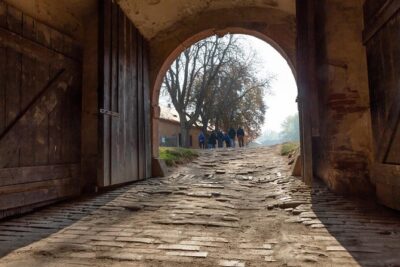
Terezin Concentration Camp Day Tour from Prague
Read our review →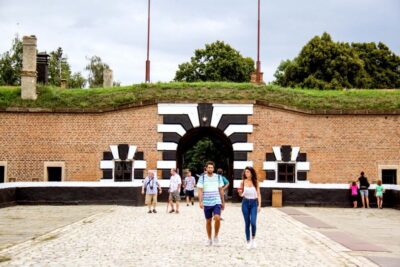
Terezin & Bohemian Switzerland from Prague: Bastei, Narnia & Café
Read our review →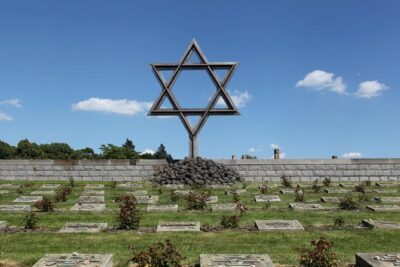
Terezin Concentration Camp Day Tour Including Admission From Prague
Read our review →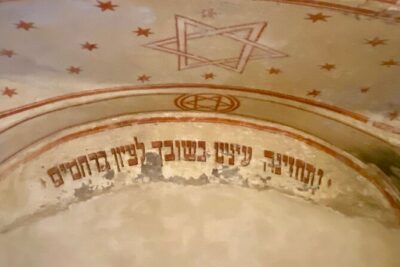
Terezin In-Depth Holocaust Tour From Prague’s Center (max 7 pax)
Read our review →Browse the lists this tour appears in