
REVIEW · WALKING TOURS
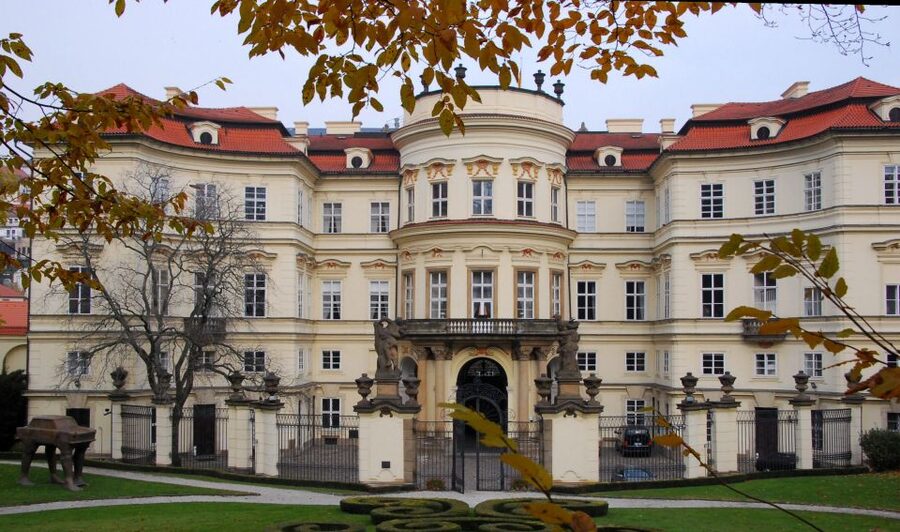
Prague: Highlights Walking Tour to the German embassy 1989
History gets personal in Prague. This 150-minute walking tour links grand sights with the tense events of 1968 and 1989, ending at the German embassy balcony tied to the fall of communism. I especially like the clear historical thread, from Jan Palach to the Velvet Revolution, and the chance to cross Charles Bridge and see the embassy from outside. The main drawback is that the embassy interior is closed, and the long walk is not suitable for people with mobility impairments.
The tour is conducted in German, with a licensed guide, and private groups are available. David Klaus is one guide associated with the experience, and Christina from Germany gave David high marks for his excellent guiding and willingness to answer questions. At $32 per person, the price is fair for a small, history-focused walk that covers much of central Prague, though it may feel brisk if you want long stops at each landmark.
In This Review
- Key points before you book
- Why this Prague history walk is different
- Meeting at the Faculty of Law
- Čech’s Bridge and Prague’s Jewish Quarter
- Jan Palach Square and the memory of 1968
- The Velvet Revolution Memorial and central Prague
- Charles Bridge, the route’s scenic centerpiece
- John Lennon Wall and the language of protest
- Wenceslas Square and the National Museum
- Malostranské Square and the final walk to the embassy
- The German embassy balcony and what you can actually see
- Price, timing, and overall value
- Who should book this German-language tour?
- Should you book it?
- FAQ
- How long does the Prague German embassy tour last?
- What language is the tour conducted in?
- Where does the tour begin?
- Can I enter the German embassy?
- Where does the tour finish?
- Is the tour suitable for people with mobility impairments?
Key points before you book
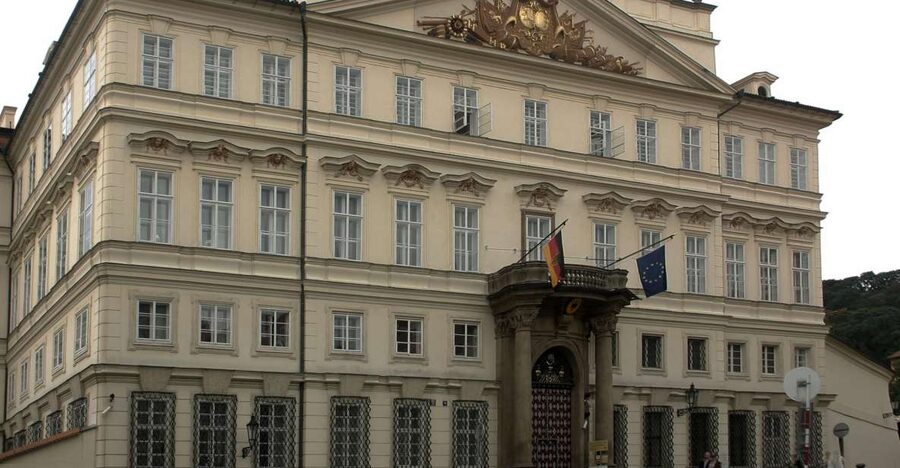
- The German embassy is viewed from outside: You can see the building and the famous balcony connected with Hans-Dietrich Genscher’s 1989 announcement, but you cannot enter.
- The story covers two turning points: The tour connects Jan Palach and the Prague Spring of 1968 with the refugee crisis and Velvet Revolution of 1989.
- You cross Charles Bridge on foot: This gives you one of Prague’s best-known views while moving between Old Town and Lesser Town.
- The route takes about 150 minutes: Expect a steady city walk through Josefov, Old Town, Wenceslas Square, and Malá Strana.
- It is a German-language experience: A licensed German-speaking guide leads the walk, and private groups can be arranged.
- The personal connection can be powerful: One guest returned with her family after 36 years, recalling how she heard Genscher’s announcement from the embassy balcony.
Why this Prague history walk is different
Many city walks give you Prague’s postcard sights and little else. This one uses those sights as settings for political change. You begin among the historic streets of the center, then follow a path through Jewish Prague, the Charles Bridge, Lennon Wall, Wenceslas Square, and Malá Strana.
The focus is the fall of communism in Central Europe, especially the events that brought East German citizens to Prague in 1989. They had fled through Poland and Hungary toward the West, hoping to reach the West German embassy. The embassy became a place of refuge and pressure, and the balcony later became linked with Hans-Dietrich Genscher’s announcement that the refugees could leave.
I like this approach because the major sights are not treated as separate photo stops. The bridge, squares, university buildings, and embassy all help explain a specific period in Czech and European history.
The tour also reaches back to 1968 and the Prague Spring. You hear about Jan Palach, a student at the Faculty of Philosophy who became a symbol of protest after the Soviet-led suppression of reform in Czechoslovakia. That gives the walk an important human scale. You are not only hearing about governments and borders. You are hearing about students, families, fear, protest, and the desire for freedom.
More walking tours:
- Prague: 3-Hour Walking Tour of Old Town & Prague Castle
★ 4.7 · 5,696 reviews - Prague: Ghost Walking Tour Where Legends Come To Life
★ 4.4 · 5,253 reviews - Prague: Jewish Quarter Walking Tour with Admission Tickets
★ 4.7 · 3,729 reviews
Meeting at the Faculty of Law
The usual meeting point is in front of the Faculty of Law of Charles University at náměstí Curieových 7. If you arrive by metro, use Staroměstská station. The meeting point is about 550 meters from the station, so allow a few extra minutes to walk there.
You can also take tram 17 to the Právnická fakulta stop. Depending on the option you select, hotel pickup may be available from Prague 1, 2, or 3, or from the city center near the Můstek metro station.
The pickup arrangement matters because this is a walking tour rather than a coach excursion. You need to arrive ready to walk, with comfortable shoes and enough energy for several neighborhoods. The experience ends at Malostranské náměstí, not at the starting point, so plan your next stop from Malá Strana.
Čech’s Bridge and Prague’s Jewish Quarter
The walk includes a photo stop at Čech’s Bridge, with roughly 10 minutes for guided sightseeing and views along the way. It is a useful opening point because it places you close to the Vltava and the edge of the Old Town.
From there, the route moves toward the Old Jewish Cemetery and Josefov. The cemetery stop is listed mainly as a photo stop, so do not expect a long interior visit or an extended museum program. Still, the area helps you understand how tightly packed Prague’s former Jewish quarter was and how much the city changed over time.
Josefov is also a good place for the guide to set the scene before the political sections of the walk. You move through an area known for old religious and civic buildings, then gradually shift toward places connected with modern Czech identity and protest.
I would see this part as an introduction rather than the main event. If your priority is a detailed study of Prague’s Jewish heritage, you will need a separate visit. Here, the value is the way the quarter fits into a wider walk through the city’s political and cultural past.
Jan Palach Square and the memory of 1968
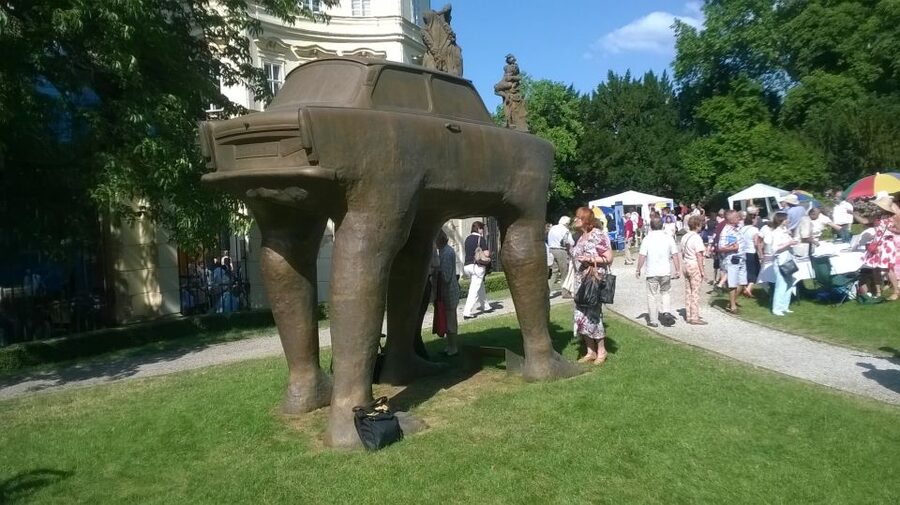
Jan Palach Square is one of the most important stops for understanding the tour’s 20th-century focus. You receive about 10 minutes of guided sightseeing and a photo stop.
The square is associated with Jan Palach, a philosophy student connected with the Faculty of Philosophy. The guide explains his fate during the Prague Spring period of 1968 and why his name remains tied to resistance against the loss of political freedom.
This is a short stop, but the subject deserves your full attention. Palach’s story gives the tour emotional weight before it reaches the events of 1989. It also helps you see that the end of communist rule did not come from nowhere. Prague had already experienced reform, occupation, disappointment, and public protest more than two decades earlier.
If you prefer only light sightseeing, this section may feel serious. That is also its strength. The tour is not simply pointing out pretty streets. It asks you to think about what happened in them.
A completely different kind of day out in Prague:
- Prague: 50-Minute Sightseeing Evening Cruise
★ 4.2 · 33,780 reviews - Prague: Medieval Dinner with Unlimited Drinks
★ 4.4 · 19,847 reviews - Prague: Castle Tour with Local Guide and Entry Ticket
★ 4.6 · 10,422 reviews - Prague Castle 2.5-Hour Tour Including Admission Ticket
★ 4.7 · 8,927 reviews
The Velvet Revolution Memorial and central Prague
The Velvet Revolution Memorial receives about 15 minutes, including a guided visit and photo stop. This is one of the places where the tour shifts from the failed reforms of 1968 to the popular movement that helped bring communist rule to an end in 1989.
The walk through central Prague gives your guide room to explain how public demonstrations, student action, and political pressure shaped the Velvet Revolution. Since the experience is in German, it also offers useful context for understanding how the changes in Czechoslovakia connected with wider events in Central Europe.
You should expect interpretation rather than a formal museum visit. The tour is built around streets, squares, and exterior locations. That keeps the pace moving, but it means the quality of the experience depends heavily on the guide’s storytelling and answers to questions.
This is where David’s strong reputation matters. Christina, who took the tour in 2021, praised his guiding and said he answered all her questions. A guide who can explain both the basic timeline and the finer points can make a major difference on a subject with many names, dates, and political shifts.
Charles Bridge, the route’s scenic centerpiece
The crossing of Charles Bridge takes about 15 minutes and includes sightseeing, a guided walk, and time for photographs. It is one of the most enjoyable parts of the route because the history is paired with one of Prague’s best-known views.
You walk between Old Town and Lesser Town while looking across the Vltava and toward the city’s historic buildings. The bridge is a major attraction in its own right, but here it also works as a natural link between the tour’s different chapters.
The short timing is worth noting. Fifteen minutes is enough to cross and hear the guide’s explanation, but it is not a leisurely bridge visit. You will not have unlimited time to stop at every statue or wait for the perfect photograph.
Still, I like that the route includes the bridge on foot rather than treating it as something seen from a vehicle. You get a better sense of Prague’s layout, and the crossing gives the walk a welcome change of pace after the more serious memorial stops.
John Lennon Wall and the language of protest
The John Lennon Wall is scheduled for about 10 minutes of guided sightseeing and photography. Its painted messages and changing layers of artwork offer a visual counterpoint to the formal monuments elsewhere in the city.
The wall is connected with peace, freedom, and protest. On this tour, it helps show how political expression could take different forms in Prague, from public demonstrations and student action to unofficial writing and art.
Do not expect a long art tour. The stop is brief, and the wall is viewed as part of the broader story rather than as a separate cultural attraction. You may find the area crowded or visually busy, depending on the time of day, so listen closely while the guide explains its meaning.
This is also a good place for a photograph, but the deeper value is symbolic. After hearing about Jan Palach and the Velvet Revolution Memorial, the wall adds a more informal expression of the same desire for liberty.
Wenceslas Square and the National Museum
The route continues to Wenceslas Square, with around 15 minutes for a visit, guided sightseeing, and photographs. This is another major setting for Prague’s modern political history and one of the places where the city’s public life becomes easier to picture.
The square is broad and urban, with the National Museum at one end. You get a five-minute photo stop near the museum as the guide continues to explain the city’s 20th-century changes.
Wenceslas Square is valuable because it helps you understand the scale of public gatherings in Prague. A guide can point out how a familiar city center became a stage for demonstrations and political change.
The stop is not designed as a museum admission. The National Museum is seen from the outside, and the schedule allows only a few minutes there. If you want to explore its collections, plan a separate visit on another day.
Malostranské Square and the final walk to the embassy
The tour reaches Malostranské Square with a short photo stop of about five minutes, then continues on foot for roughly 10 minutes toward the German embassy. Malá Strana gives the route a change in atmosphere, with narrower streets and a more intimate feel than the larger central squares.
This section also gives you a chance to connect the city’s geography with the 1989 story. East German citizens had gathered at the West German embassy in Prague after fleeing through Poland and Hungary. The embassy became the focus of a refugee crisis that was watched closely across Europe.
The walk toward the embassy is not just a transfer between attractions. It is the approach to the tour’s main historical destination. By this point, you have already heard about earlier protest and reform, so the embassy story lands as part of a longer chain of events.
The German embassy balcony and what you can actually see
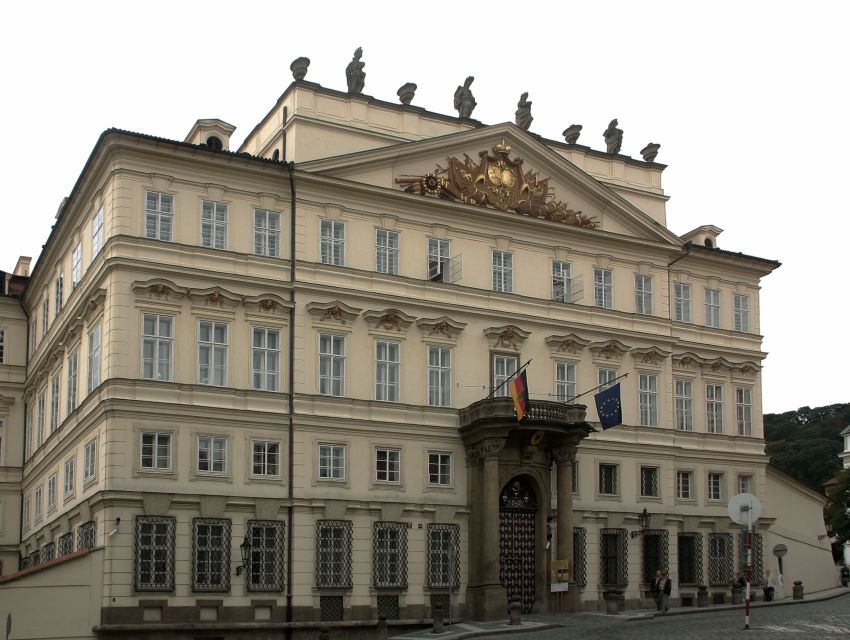
The final stop is the Embassy of Germany in Prague, where you spend about 10 minutes viewing the building from outside and hearing about the famous balcony. Hans-Dietrich Genscher, then Foreign Minister of the Federal Republic of Germany, made his well-known announcement there in 1989.
Be clear about the limits: the embassy interior is not open to the public. This is an exterior viewing stop. The guide points out the building and the balcony, and may explain the connection with the embassy garden and the refugees who gathered there.
That limitation does not make the stop pointless. The importance is not the chance to enter a grand interior. It is the chance to stand outside a place linked with a major moment in the end of communist rule.
One especially moving detail comes from a German participant who returned to the embassy after 36 years. In 1989, she had been there with her parents and heard the joyful news from the balcony near Genscher. Returning with her wife brought back a very personal memory of that day. That detail shows why this stop can mean more than a standard sightseeing photo.
The experience ends at Malostranské náměstí. From there, you are well placed to continue exploring Lesser Town, though the tour does not include transportation back to your hotel.
Price, timing, and overall value
At $32 per person, this is a reasonable price for a 150-minute guided walk covering several central neighborhoods and a focused historical subject. You are paying for a licensed German-speaking guide, not entrance tickets, food, drinks, or a private vehicle.
The value is strongest if you want a structured explanation of Prague’s recent history while also seeing major landmarks. The tour connects enough locations to fill more than two hours without making you choose between a sightseeing walk and a history lesson.
It is less valuable if you want long visits inside museums, detailed Jewish heritage commentary, or extended time at each monument. The schedule gives many stops only five to 15 minutes, so the format favors a steady overview.
Free cancellation up to 24 hours before the start and the option to reserve now and pay later add useful flexibility. Hotel pickup is optional in selected central areas, but you should confirm the exact option when booking.
Who should book this German-language tour?
I would recommend it most strongly to:
- German-speaking visitors interested in the Cold War and the end of communism
- First-time visitors who want to see major Prague landmarks while learning their modern context
- People with a personal or family connection to the events of 1989
- Visitors who prefer a private group or a guide-led walk with room for questions
- Anyone who wants a clear introduction to Jan Palach, the Prague Spring, and the Velvet Revolution
I would be more cautious if you have mobility limitations. The experience involves walking through several neighborhoods, crossing Charles Bridge, and continuing on foot to the embassy. It is specifically not suitable for people with mobility impairments.
You should also consider the language. The live guide speaks German, and no other language is listed for this experience. If you do not understand German comfortably, you will miss much of the tour’s value.
Should you book it?
Book this tour if the story of Prague’s 1968 and 1989 turning points interests you as much as the city’s famous sights. The route is well chosen, the embassy balcony gives the walk a memorable ending, and the combination of Charles Bridge, Lennon Wall, Wenceslas Square, and Jan Palach Square creates a useful picture of modern Prague.
Skip it if you want a slow photo walk, extensive interior visits, or a tour in another language. The strongest reason to choose it is not simply the number of attractions. It is the chance to connect those places with people such as Jan Palach and Hans-Dietrich Genscher, and to see where a personal family memory from 1989 still meets the wider story of Europe.
FAQ
How long does the Prague German embassy tour last?
The tour lasts 150 minutes, or about two and a half hours.
What language is the tour conducted in?
The live tour is conducted in German by a licensed German-speaking guide.
Where does the tour begin?
The standard meeting point is in front of the Faculty of Law of Charles University at náměstí Curieových 7. Staroměstská metro station is about 550 meters away, and tram 17 stops at Právnická fakulta.
Can I enter the German embassy?
No. The embassy interior is not open to the public. You view the building and the famous balcony from outside.
Where does the tour finish?
The tour finishes at Malostranské náměstí in Malá Strana.
Is the tour suitable for people with mobility impairments?
No. The experience is listed as unsuitable for people with mobility impairments because it involves a lengthy walk through central Prague.
Just added around Prague
- Private Day trip from Prague to Kutná Hora★ 5.0 · 3 reviews
- PRAGUE AIRSOFT SHOOTING GAMES★ 4.7 · 3 reviews
- Private 4-hour City Tour of Prague with driver & official guide w/ Hotel pick up★ 5.0 · 3 reviews
- Glass blowing in Prague★ 4.6 · 3 reviews
- Prague to Karlovy Vary Private Transfer★ 4.5 · 3 reviews
- Prague Private Tour★ 5.0 · 3 reviews
- Disney’s Tarzan Musical★ 5.0 · 3 reviews
- Private Bohemian Glass and Czech Crystal Tour with lunch included★ 5.0 · 3 reviews
Walking Tours, compared.
3-Hour Walking Tour of Old Town & Prague Castle
Read our review →
Ghost Walking Tour Where Legends Come To Life
Read our review →
Jewish Quarter Walking Tour with Admission Tickets
Read our review →
Prague Guided Walking Tour and Cruise with Authentic Czech Lunch
Read our review →
Old Town and Jewish Quarter Guided Walking Tour
Read our review →
Prague Ghost and Legend of Old Town Walking Tour
Read our review →
Prague 3-hour Afternoon Walking Tour including Prague Castle
Read our review →
Ghosts and Legends Nighttime Guided Walking Tour
Read our review →Browse the lists this tour appears in